Boston Scientific afib device effective in reducing stroke

Dive Brief:

  • Two long-term studies of FDA-mandated registries have linked Boston Scientific’s left atrial appendage closure device, called Watchman, to significant reductions in stroke risk.
  • In a paper posted in the Journal of the American College of Cardiology Monday, researchers presented data on more than 1,100 nonvalvular atrial fibrillation patients who were tracked for around 50 months on average.
  • The authors described the rate of hemorrhagic stroke seen in the registries as the lowest identified in the nonvalvular afib population, strengthening the case for left atrial appendage closure (LAAC).
  • 97ee0d05957843f8afd3c5af6facdc64

Dive Insight:

Boston Scientific won FDA approval for its Watchman LAAC device in 2015 on the strength of data from two clinical trials. The trials found the device as good as warfarin at preventing stroke and systemic embolism. Patients who received Watchman had a lower rate of intracranial hemorrhage. 

Surgeons have now implanted Watchman in more than 100,000 patients worldwide. However, while some physicians have embraced the device as a good option for patients who cannot take or comply with anticoagulant regimens, there remain skeptics who point to periprocedural complications and questions about the designs of the clinical trials and argue more evidence is needed.

The registry studies may provide some, but not all, of the evidence required to win over skeptics. In a higher risk population than was enrolled in the earlier trials, the registries linked Watchman to rates of complications below those seen in the randomized trials.

In terms of efficacy, the rates of hemorrhagic stroke were 0.17 and 0.09 per 100 patient years in the two registries. The rates of ischemic stroke were a little higher at 1.30 and 2.20. When compared to the predicted stroke rate, the results suggest Watchman drives between a 69% and 78% reduction in the risk of the cardiovascular event.

The authors of the study concluded the data “adds to increasing information that local site therapy is an effective and safe alternative to long-term anticoagulation.” However, an accompanying editorial suggests more evidence will be needed to win over some cardiologists.

John Camm, a cardiologist at St George’s University Hospitals in the U.K., wrote that the authors of clinical guidelines are likely to remain cautious about recommending LAAC as an alternative to oral anticoagulation. Camm thinks head-to-head trials against oral anticoagulants are needed, although he acknowledges LAAC is “well worthwhile” for patients unable to take the pharmacological route.  

The data may deliver a boost to an important part of Boston Scientific’s structural heart business. In October, Boston Scientific predicted sales at its structural heart unit would approach $725 million for the full year, the top end of its guidance range, as a result of demand for Watchman and three other products. Management said Watchman sales are growing ahead of their plan for the product.

Watchman is the only LAAC device approved in the U.S. but in Europe it faces competition from products including Abbott’s Amplatzer. Still, Boston Scientific singled out Europe as a region in which it is seeing “strong demand.”

FDA qualifies tool for assessing safety of implanted devices

Dive Brief:

  • FDA qualified a tool designed to make it easier for developers of active implantable medical devices (AIMDs) to prepare safety test results, it announced Thursday. 
  • The tool, which was developed by ZMT Zurich MedTech, generates statistical data based on clinically relevant scenarios to support the preparation of MRI radiofrequency results. 
  • The agency assessed the technology under its Medical Device Development Tools (MDDT) program, which the agency uses to validate products for use in device development and evaluation.

    Unknown

  • Dive Insight:

    Developers of AIMDs need to show what will happen when a patient with the implant undergoes an MRI scan. ZMT has created software that enables device developers to perform those evaluations via a computer.

    The product, the IMAnalytics module of ZMT’s Sim4Life software, automates the analysis of the radiofrequency-induced heating that can take place when patients with implanted electrodes are put in MRI scanners. In the past, ZMT claims this process took “many months” as thousands of individual simulations needed to be run.

    That breadth of simulations is to cover the range of possible types of implants and lead trajectories, patient-to-patient variability in device location and different versions of MRI systems. To cut the time the analysis takes, ZMT has leveraged datasets on MRI scanners and human anatomy.

    ZMT filed IMAnalytics for review under FDA’s MDDT program earlier this year, leading to a positive decision from the agency this week. FDA concluded the qualification of IMAnalytics “reduces the burden on sponsors preparing MRI [radiofrequency] safety test results.”

    FDA qualified the technology with some caveats. The qualification summary states the tool is not suitable for use with AIMDs that stimulate or deliver current when a patient is in the MRI scanner. 

    The decision makes IMAnalytics the third product to receive MDDT qualification this year. FDA only qualified two tools across all of 2017 and 2018. The agency published final guidance on the program in 2017.

    The upswing in MDDT activity in 2019 has been characterized by a shift in the types of tools qualified by FDA. The two tools qualified in 2017 and 2018 were both questionnaires used to captures views from people living with certain health conditions. This year, FDA has qualified two software modules and a material designed to mimic human tissue in assessments of certain ultrasound devices.

New Anti-Aging Clinical Trial Begins. For $1 Million, You Can Be a Trial Participant

A Kansas-based company launched a clinical trial in Colombia to reverse aging. But will it work?

bCwJCvZBGTeb9wFsGUv726-970-80

An American biotech company has launched clinical trials in Colombia to test a new therapy designed to reverse the aging process, and in turn, treat age-related diseases, according to news reports. 

But to steal a sip from this purported fountain of youth, participants in the trial must first fork over $1 million — a fee that seems even more astronomical when you consider that most clinical trials are either free or provide participants with financial compensation, according to a report by OneZero, a Medium publication about tech and science. 

The pricey trial is being run by Libella Gene Therapeutics, a Kansas-based company whose website proclaims that “the future is here.” The company announced its intention to test its anti-aging remedies in Cartagena, Colombia, in 2018, and began recruiting for the trials in October of this year. Using a single-gene therapy, Libella aims to “prevent, delay, or even reverse” the general effects of aging, as well as treat diseases that emerge in old age, such as Alzheimer’s, according to ClinicalTrials.gov.

In fact, in its own press release, the company boasted, without evidence, that its gene therapy “may be the world’s first cure for Alzheimer’s disease.” The bold claim raises an obvious question: Will the treatment actually work?  

Short answer: No one really knows, but the fact that Libella shipped its operation beyond the reach of the U.S. Food and Drug Administration (FDA) doesn’t inspire confidence, experts told OneZero. 

Almirall takes a leap into dermatology digital health innovation

  • The company is launching a call for innovation for early-stage start-ups focused on developing digital health services and solutions to tackle some of the present and future dermatological challenges
  • The call was launched at the first Barcelona Health Hub Summit, a gathering to foster the relationships among big companies, start-ups and investors with an eye on digital health
  • Start-ups can apply at almiralldigitalgarden.com starting today. Almirall will make a shortlist of 10 that will pitch their projects the 14th of November at Frontiers Health, a global event on health innovation
  • The five selected projects will be invited to a nine-month acceleration program at the Barcelona Health Hub headquarters and up to a €50k grant, as well as expert mentorship from Almirall

ALL-almirall-e1571751170375-605x340

Almirall, S.A. (ALM) has launched its first call for innovation to start-ups focused on dermatology digital health. This initiative is the first step in the creation of an accelerator programme called the Digital Garden, powered by Almirall and strengthens the company’s commitment to digital innovation based on developing services and solutions to tackle some of the present and future dermatological challenges. The call has been presented during the first Barcelona Health Hub (BHH) Summit, sponsored by Almirall, which has taken place at BHH’s headquarters, located in Barcelona, Spain.

The Digital Garden will begin its journey supporting up to five start-ups chosen after a selection process that will end on November 14th at Almirall’s event in Berlin at Frontiers Health 2019, a leading global event on digital health innovation of which Almirall is a sponsor.

Francesca Wuttke, Chief Digital Officer of Almirall, explained the importance of this project

I am so pleased and excited to announce the launch of the Digital Garden powered by Almirall, and to do so at the BHH Summit. In fact, the five start-ups selected during Frontiers of Health will have access to a nine-month acceleration program based in the BHH headquarters, among other important benefits.

Digital Garden’s selection process

Interested start-ups can apply at almiralldigitalgarden.com, where they will also find the program’s inclusion criteria and offerings. Following a review of the applicants, Almirall will make a shortlist of 10 companies that will be invited to Frontiers Health 2019 to pitch their business models at an Almirall sponsored event that will take place on Thursday 14th of November. The five winning project teams will begin a nine-month acceleration program in January at the BHH headquarters, with the goal of graduating them into venture capital funding. The program will include introductions to investors as well as an investor day.

In addition to the acceleration program, the five chosen start-ups will receive a number of key incentives, including up to a €50K grant that is determined based on a bespoke gap analysis of the start-up and achievement of certain milestones. In addition, they will receive mentoring from top pharma industry experts from all specialties and program stages; and will have the opportunity to leverage leading hospitals in Barcelona as a test bed for digital pilots, with potential access to HCPs and patients; the potential to collaborate on actual Almirall projects; and have access to Almirall’s communication and PR networks to promote their projects, among others.

“Embracing technologies to better access data to empower patients”

Francesca Wuttke is one of the four BHH Ambassadors, highly renowned professionals in digital health that are dedicated and aligned with the goals of the Barcelona Health Hub. They are collaborating to increase awareness in digital health and in a global recognition of the BHH. During the BHH Summit 2019, she moderated one of the panels entitled “Embracing technology to better access data to empower patients”. CEOs from three of the start-ups that are sharing BHH co-working space have discussed growing trends in the pharmaceutical industry.
Increasingly, pharma companies are collaborating with start-ups to improve the strength of their data and bring efficiencies with regard to time and cost. The panellists have also shared their views about the potential of new technologies in the era of Real World Data and Real World Evidence, the impact of regulation and the future of partnerships between big companies and start-ups with its implicit challenges and lessons learned.

According to Francesca Wuttke,

Medical dermatology is a representative example of the potential of patient centric digital health. The Digital Garden, powered by Almirall can be seen as a case study of both the recent and rapid development in this space and the huge potential of this new digital revolution in medicine.

BACK Real-world or real evidence? Real-world or real evidence?

There was a time when the distinction between data from clinical trials and data from any other source was clear. Clinical trials created clinical evidence to determine regulatory decisions and guide clinical practice; whereas all other data was of second tier being used by commercial teams to improve market access. Like the aristocrat and the road sweeper – the two data sets rarely crossed paths.

Then came real-world data (RWD), who’s initial entrance was less of a revolution, and more of splinter group promising to change the world for the better. Like many newcomers, its first challenge was to define what real-world data is, with most settling on a definition that says RWD is the product of routine clinical practice rather than a formal trial. Usually this is aggregated electronic health record (EHR) or insurance claims data, but it could also include data routinely collected from apps and wearables. Yet as we will see, this description is becoming obsolete as the line between clinical trials, clinical evidence and RWD blurs.

So, is the revolution really coming? This article will seek to answer this by exploring the underlying drivers such as the maturity of electronic health records and the shifting regulatory environment. It will also examine some of the companies who are betting big that now is the time for true change in evidence creation.

“Janet Woodcock from CDER summarised these points well when she joked: ‘Data gathered from healthcare has always had one characteristic: it’s not very good.’”

Getting comfy with RWD

The classic comfort zone for RWD is safety monitoring, as well as Health Economic Outcome Research (HEOR) that provides important post-market information for making healthcare coverage and access decisions. These uses are now well-established, with the FDA Sentinel initiative in the US being perhaps the most well-known example of safety monitoring, and big CRO having well-established RWD products that support market access through a variety of retrospective analyses. So why is it that RWD has been focussed on these use cases rather than replacing expensive clinical studies? Diving into this question reveals some important insights to the limitations of this type of data.Real-world-or-real-evidence-figure
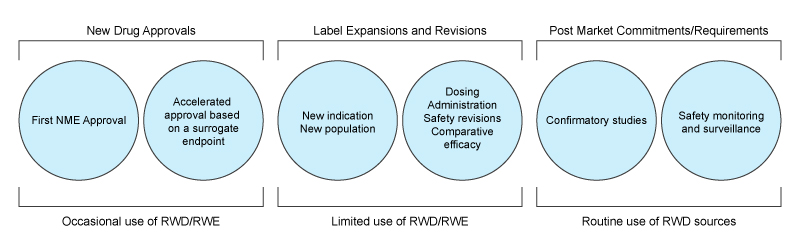
Achilles heal

By definition, anonymisation or even pseudonymisation places fundamental limitations on the value that can be derived from real-world data. Yet, this is a necessary step as most circumstances require the removal of patient identifiers when aggregating data to comply with GDPR & HIPPA in the US. This means that without a significant manual process at the site where the data has been sourced, investigators are unable to:

  1. Consent subjects – Secondary use of health data that has been pseudonymised does not require consent in many cases. However, if it is being used to build regulatory grade evidence many sponsors insist on a consent as best practice.
  2. Augment data fields – Both practically and legally it becomes difficult to link aggregated pseudonymised data to any other data. So you are stuck with what you have, which is unlikely to include all the fields required to create robust evidence.
  3. Query inconsistencies – With no scalable mechanism to query the source of the data – which may be the treating clinician or the patient – investigators are unable to stand behind conclusions derived from RWD in the same way as a traditional prospective study.
  4. Randomise – You can’t randomise retrospective data, and no tech or AI can overcome this. For regulators, it seems the jury is still out to decide if and when retrospective analyses can be used in place of prospective randomised controlled trials. The FDA and EMA have indicated there may be some circumstances where real world data can be used to support decisions on clinical efficacy but the truism still stands that only randomisation can establish causality.

Janet Woodcock, director of the US Center for Drug Evaluation and Research (CDER), summarised these points well at a conference in March 2016 where she joked: “Data gathered from healthcare has always had one characteristic: it’s not very good.”

She added: “The question is can we randomise people within the healthcare system to do a trial inside the healthcare system utilising the data collection methods of the healthcare system?”

Where next?

In spite of these limitations there is huge promise with established players and start-ups alike who see opportunity to use RWD to reverse the escalating inefficiencies in evidence creation. At a macro level it is possible to think of these organisations in two groups; one group views health data as the asset, and the other who use health data as a means to drive efficiency in the process of evidence creation.

Data as the asset

This broadly covers organisations that aggregate pseudonymised data, then apply data science to extract real-world evidence. Included in this group is Aetion who are headquartered in NY and recently raised a further $22 million in funding, and has attracted high profile board members such as the former FDA commissioner Scott Gottlieb. Their aim is to extend the reach of real world analyses into regulatory grade evidence creation with some success in duplicating RCT results using real-world analysis. However, as the FDA themselves point out, Aetion will need to demonstrate a large number of examples where RCT results correlate to their analyses before they will routinely accept these in place of prospective studies.

TrinetX recently acquired Custodix to expand their data network into Europe, and in doing so established themselves as a major global player in the real-world market. In their early days, TrinetX were focussed less on RWE and more on trial optimisation through using their data to improve study feasibility analysis and recruitment. However, as a data aggregator they rely on the source site to reidentify and engage the patients so a natural path was for them to expand into real-world analyses with recent publications in focussed on cardiovascular outcomes.

Data as a tool

Other organisations are approaching this from a different angle using real world data including integrations with site EHRs and remote monitoring to drive efficiencies across the study lifecycle. Castor is an electronic data capture system that is able to map data from certain electronic record systems such as EPIC and Cerner to reduce the manual process of transcribing data into the case report form. Castor and other EDC platforms have also built in patient facing apps that create customisable patient report forms that can be remotely completed, further reducing the cost and time at the site. Others such as Science37 can even integrate wearables into prospective trials to create fully remote direct to patient studies using Science37 ‘metasites’ rather than bricks and mortar locations.

Why now?

So why is it that the last five years has seen such growth in interest of real-world data? Two of the key drivers include the improved interoperability of health records and the complimentary legislation brought in to drive trial innovation in the US. The Fast Healthcare Interoperability Resources (FHIR) API standard is now being adopted wholesale across much of the global EHR market, and whilst FHIR doesn’t solve issues such as data quality it does make 3rd party integration substantially more straightforward.  The 21st Century Cures signed into law in December 2016 aims to expedite the process of drug development including mandating the FDA to undertake an evaluation of real-world evidence in regulatory decisions.  This combination has created both the opportunity and the top down advocacy to unlock a wealth of innovation from both public and private sectors.

Here to stay

Whilst there are many unanswered questions – not least those around patient rights around secondary use of health records which we have not addressed in this article – one thing is clear: real world data is here to stay. Moreover, its expanded mandate propelled by the maturity of health records and a number of plucky startups will see it reaching parts of the clinical evidence hierarchy thought untouchable just a few years ago.

About the author

Dr Matt Wilson is a clinician, academic, and CEO of the research platform uMed. uMed is a technology enabled site network that links health data to real-time patient engagement.


Novartis says mid-stage pipeline is setting up strong growth spurt

Novartis kicked off its R&D update in London this morning by pledging to bring at least 10 drugs into pivotal trials in 2020 and 2021 from a mid-stage pipeline packed with 60 projects.

Vas-Naramsimhan-Novartis-605x340

All told, the Swiss group says it has at least 25 new drugs coming through development that could surpass the $1 billion sales threshold for a blockbuster drug, and is highlighting four priority projects from its pipeline that it reckons have real potential to make a clinical difference for patients.

Among them is first-in-class anti-CD40 antibody iscalimab (CFZ533), which showed in a study reported this summer that it may be able to prolong the life of transplanted kidneys, which can sometimes last less than 10 years with current immuno suppressant drugs like tacrolimus.

Iscalimab “has the potential to become the standard of care in transplant”, says Novartis, and has also had positive early-stage trial results in Sjögren’s syndrome, the second most common rheumatic autoimmune disease after rheumatoid arthritis. It’s being tested in up to six indications.

Also in the spotlight is LNP023, an orally-active Factor B inhibitor in development for diseases associated with the complement pathway, including paroxysmal nocturnal hemoglobinuria (PNH).

LNP023 acts in a different way to current injectable drugs for PNH like Alexion’s blockbuster Soliris (eculizumab), and is on course for a readout in first-line PNH next year. It also stands a chance of being the first disease-modifying therapy for several rare renal diseases, including IgA nephropathy, idiopathic membranous nephropathy (iMN) and C3 glomerulopahy (C3G).

In cancer immunotherapy, Novartis is pointing to MBG453, a first-in-class anti-TIM-3 mAb which it thinks has the potential to become a “foundational therapy” for haematological cancers and other diseases of the bone marrow. Phase 1 data will be presented at the soon-to-start American Society of Haematology (ASH) congress.

MBG453 is the only TIM-3 antobody currently being investigated in myelodysplastic syndromes and acute myeloid leukaemia (AML), with the potential to be first-in-class. A pivotal phase 2 study in higher-risk MDS is already underway, setting up possible filings in 2021, while mid-stage AML trials will start next year.

The last of the four is TQJ230 is an antisense drug that Novartis says provides a potent and consistent reduction of Lp(a), a “known and currently untreatable risk factor for cardiovascular disease.” It was licensed from Ionis Pharma/Akcea for $150 million upfront earlier this year.

A cardiovascular outcomes trial of over 7,500 patients is due to start in 2020, and if positive TQJ230 could become the first-ever drug for Lp(a) reduction.

The study will try to show superiority for the antisense drug to placebo in reducing major cardiovascular events (MACE) in patients with established cardiovascular disease and elevated levels of Lp(a) (≥70 mg/dL) when given on top of standard treatment.

Novartis chief executive Vas Narasimhan also said that with five potential blockbuster new drug approvals in 2019, and five more emerging with phase 3 readouts or approvals due in the next couple of years, the company “can sustain long-term growth.”

The five emerging drugs are: B-cell depleting treatment ofatumumab for relapsing multiple sclerosis; prostaglandin DP2 receptor antagonist fevipiprant or asthma; radioligand therapy Lu-PSMA-617 for prostate cancer; anti-IgE drug ligelizumab for chronic spontaneous urticaria; and IL-1 beta-targeting antibody canakinumab for non-small cell lung cancer.

“We look forward to delivering new transformational treatment options to patients and continuing to reimagine medicine to address some of the world’s greatest unmet healthcare needs,” said Narsimhan.

Acadia’s Nuplazid Hits the Mark in Late-Stage Dementia-Related Psychosis Trial

Shares of ACADIA Pharmaceuticals are soaring in premarket trading after the company announced full positive results from its Phase III HARMONY study evaluating Nuplazid (pimavanserin) for the treatment of dementia-related psychosis. The stock is up more than 20% to $53.26.

47c09cdf-d0d6-4c0b-92c9-a4795af3339e

Acadia stopped the HARMONY trial early in September following a pre-planned interim analysis after Nuplazid hit the primary endpoint of significantly reducing the risk of relapse of psychosis compared to placebo. In fact, the company is excited that the data shows patients on Nuplazid are nearly three-times less likely to have a psychosis relapse than placebo patients. In addition to hitting the primary endpoint, Nuplazid hit the key secondary endpoint of significantly reducing the risk of discontinuation for any reason. With the trial results, Acadia plans to head to the U.S. Food and Drug Administration to seek regulatory approval early next year. The FDA previously granted Breakthrough Therapy Designation for pimavanserin for the treatment of dementia-related psychosis.

The company presented full trial data at the 12th Clinical Trials on Alzheimer’s Disease meeting in San Diego on Wednesday. Serge Stankovic, president of Acadia, hailed the HARMONY study as a landmark in dementia-related psychosis.

“The HARMONY study was designed to answer three very important questions. First, in the 12-week open-label period, pimavanserin treatment showed a meaningful reduction of the symptoms and stabilization of psychosis across all of the five clinically diagnosed subtypes evaluated. Second, in the 26-week double-blind period, patients on pimavanserin had a nearly three-fold reduction of risk of relapse compared to patients on placebo. And third, pimavanserin was well-tolerated by elderly patients with dementia-related psychosis,” Stankovic said.

Nuplazid is a selective serotonin inverse agonist and antagonist preferentially targeting 5-HT2A receptors. Nuplazid is approved to treat psychosis related to Parkinson’s disease. In July, Nuplazid failed to hit statistical significance in a Phase III schizophrenia trial. Patients in the ENHANCE trial showed a consistent trend in symptom improvement but did not hit statistical significance on the primary endpoint.

A total of 392 patients with an average age of 74 were enrolled in the HARMONY study. The patients had an average baseline of moderate-to-severe psychosis as measured by the Scale for the Assessment of Positive Symptoms-Hallucinations and Delusions (SAPS-H+D). Over the course of treatment, randomized patients who took Nuplazid saw their SAPS-H+D score improved by 63% and 75.2% respectively.

Jeffrey Cummings, director emeritus of Cleveland Clinic Lou Ruvo Center for Brain Health in Las Vegas said the results of the HARMONY trial are an important advance for dementia-related psychosis treatment, as there are currently no FDA-approved treatments available. Cummings pointed to the three-fold data and said reducing the risk of relapse of psychotic symptoms by that magnitude is an “important and meaningful outcome.”

It is estimated that about 2.4 million people in the United States, about 30% of the 8 million dementia patients, have psychosis, which commonly includes delusions and hallucinations. Dementia-related psychosis includes psychosis in Alzheimer’s disease, dementia with Lewy bodies, Parkinson’s disease dementia, vascular dementia, and frontotemporal dementia.

Nuplazid was well-tolerated during the study with a low rate of adverse events observed.

Mylan and Biocon launch Herceptin biosimilar in US

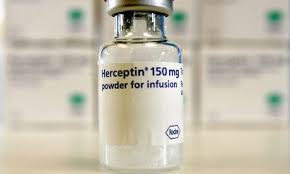
Mylan and Biocon have launched their Herceptin biosimilar Ogivri in the US, the second challenger to Roche’s breast and stomach cancer blockbuster.

Herceptin

The companies said that they launched Ogivri at a “competitive advantage” compared with Herceptin (trastuzumab) but gave no further details about the price for the drug available in 420 mg and 150 mg vials.

Roche’s Herceptin first encountered competition from biosimilars after Amgen launched its first near-copy in July, along with a biosimilar of the Swiss pharma’s other big cancer drug Avastin.

The price charged for these earlier drugs gives an indication of the discount that Mylan and Biocon are likely to apply.

Unlike generics, biosimilars are approved with a more in-depth and costly dossier of clinical and analytical data as they are complex biologic drugs that are grown in cells.

This means that biosimilars are usually available at a substantial discount compared with the originator but not at the rock-bottom prices associated with generics.

For example, Amgen’s Avastin biosimilar was launched at a wholesale discount price of around 15%.

Roche’s third big-selling cancer drug Rituxan is also in trouble with biosimilar competition after years of dominance and patent expiry last year.

The good news for Roche is that sales erosion in the US has been nowhere near as extreme as that in Europe, where biosimilars have caused sales to tumble rapidly.

Quarterly sales figures show that in Q3, which corresponded with the launch of the first Herceptin biosimilar, sales were down around 6%.

Sales of Avastin were up 1% in Q3 despite the biosimilar competition – but the consensus is that in the long term Roche will be looking for a strong performance from newly launched drugs to make up for lost sales from its ‘big three’ cancer drugs.

From the Swiss pharma’s point of view things are going well in this regard – the launch of its multiple sclerosis drug Ocrevus (ocrelizumab) is regarded as one of the most successful ever in the pharma industry.

After a first approval in 2017 Ocrevus is already a blockbuster, and its haemophilia drug Hemlibra (emicizumab) is gaining traction quickly after approval in 2018.

Astellas buys gene therapy company for $3bn

Astellas has announced it will be acquiring gene therapy specialists Audentes Therapeutics for a total equity value of approximately $3 billion, adding a new focus area to its drug discovery efforts.

astellas-605x340

The deal gives Astellas access to Audentes’ AT132, in development for the treatment of X-Linked Myotubular Myopathy (XLMTM) – a serious, life-threatening, rare neuromuscular disease that is characterised by extreme muscle weakness, respiratory failure and early death – as well as other genetic medicines for rare neuromuscular diseases.

“Recent scientific and technological advances in genetic medicine have advanced the potential to deliver unprecedented and sustained value to patients, and even to cure diseases with a single intervention,” said Kenji Yasukawa, president and CEO of Astellas. “Audentes has developed a robust pipeline of promising product candidates which are complementary to our existing pipeline, including its lead program AT132. By joining together with Audentes’ talented team, we are establishing a leading position in the field of gene therapy with the goal of addressing the unmet needs of patients living with serious, rare diseases.”

In a statement Astellas also said the deal “creates the opportunity for additional gene therapy partnerships and pipeline expansion through leveraging Audentes’ manufacturing capabilities and its valued relationships with patient groups, academic collaborators and scientific advisors.”

The company also hopes the acquisition will be a key step in the expansion of its ‘Focus Area’ approach, under which Astellas wants to prioritise creating innovative medicines for diseases with high unmet medical needs by identifying unique combinations of biology and therapeutic modality/technology based on emerging science. 

With the acquisition, Astellas is adding a fifth Primary Focus in Genetic Regulation to existing categories of oncology, immune diseases, ophthalmology and muscle diseases – under which, it says, gene therapy will be a “key driver of the company’s future growth”.

Under the agreement, which has been unanimously approved by the boards of directors of both Astellas and Audentes, Astellas will acquire Audentes for a price of $60.00 per share in cash.

Neurocrine and Xenon agree $1.75bn epilepsy R&D tie-up

Two biotechs, Neurocrine Biosciences and Xenon, have announced a licence and collaboration agreement to develop first-in-class treatments for epilepsy in a deal worth up to $1.75 billion.

Neuron-generic-605x340

Epilepsy is one area of neurology where pharma is having limited success – GW Pharma’s cannabis-based Epidiolex for rare forms of childhood epilepsy is approved in both the US and EU, at a time when there is almost no progress with degenerative neurological diseases such as Alzheimer’s and Parkinson’s.

Under the agreement San Diego-based Neurocrine will acquire rights to XEN901, the first selective sodium channel inhibitor entering phase 2 studies for epileptic encephalopathy, also known as SCN8A-EE.

British Columbia-based Xenon will receive $50 million up front and up to $1.7 billion in development, regulatory, and commercial milestone payments across all licensed uses, and an option to co-fund XEN901.

Neurocrine’s exclusive licence covers development of XEN901 for SCN8A developmental and epileptic encephalopathy and other forms of epilepsy, including focal epilepsy.

The California biotech also gains an exclusive license to pre-clinical compounds for development, including selective Nav1.6 inhibitors and dual Nav1.2/1.6 inhibitors.

The agreement also includes a multi-year research collaboration to discover, identify and develop additional novel Nav1.6 and Nav1.2/1.6 inhibitors.

The upfront licence payment includes $30 million in cash and a $20 million equity investment by Neurocrine at a share price of $14.196.

Xenon will receive up to $25 million if the FDA accepts a filing for certain clinical trials for XEN901, with 55% of the amount in the form of an equity investment in Xenon at a 15% premium to Xenon’s average 30-day trading price at that time.

Neurocrine expects to apply to the FDA in the middle of 2020 to start a proposed clinical trial for XEN901 in SCN8A-DEE patients.

Along with the milestone payments already noted, Xenon will receive tiered royalties from XEN901 ranging from the low double-digits to mid-teen percentage in the US and a tiered royalty at slightly lower rates outside the US based upon aggregate global net sales.

Xenon retains an option to co-fund 50% of the US development costs of XEN901 or another product candidate in exchange for increased US royalties, reaching 20% of US net sales at the highest royalty tier for XEN901.

Unless Xenon takes the co-funding option, Neurocrine will fund all clinical development costs associated with the development of product candidates and will also fund a research collaboration for up to three years.

Visit Us On TwitterVisit Us On Google PlusVisit Us On LinkedinVisit Us On Facebook