Merz splits into 3 businesses for better customer focus

Merz, going for a strong customer focus, recently did something many of its pharma peers have done over the last few years: split into distinct operating businesses.

xeomin_ad_1116_1 

The aesthetics unit, now called Merz Aesthetics, is the largest of the three, beating out consumer care and therapeutics. It’s also the biggest company in the world dedicated solely to medical aesthetics; that distinction puts it ahead of rivals Allergan and Galderma, which have bigger market shares in medical aesthetics but also produce and market products in other therapy areas.

Part of the reason for the Merz realignment was that growth in each of the divisions warranted size and scale as standalone businesses. But the move was also meant to allow each business to better focus on the needs of its different customer bases, Merz Aesthetics global CEO Bob Rhatigan said.

RELATED: Botox rivals are looming. That’s why its new ads urge women—and men—to insist on the brand

Rhatigan, who had been CEO of Merz Americas, noted that Merz’s two chief competitors are also currently busy with corporate changes—Allergan selling itself to AbbVie and Galderma uncouplingfrom Nestlé.

All three Merz businesses will operate under the larger Merz umbrella, but they will function as three separate companies globally with three different management teams and reporting mechanisms. Each business will also now have its own research and development teams, he said.

Merz Aesthetics will house neurotoxin brand Xeomin, injectable dermal fillers Radiesse and Belotero, as well as ultrasound skin lift Ultherapy and cellulite treatment Cellfina. Merz Consumer Care, which operates primarily in Germany, includes OTC brands such as etesept and Merz Spezial, while Merz Therapeutics will focus on the use of Xeomin’s indication for movement disorders.

RELATED: X marks the spot: Merz rolls new Xeomin brand push, awareness effort targeting ‘Xennials’

Merz Aesthetics will continue its current DTC advertising and marketing push to reach healthcare professionals and consumers. Its “Later Haters” campaign debuted a year ago to target “Xennials,” identified as the cohort between Gen X and millennials, with a destigmatizing message around injectables and “beauty on your own terms.”

“This market responds very well to emotional insights, so the more that we can lead with emotional insights versus the product and have the product support the insights, the better. We’ll continue to evolve and lead the marketing thinking in those efforts,” Rhatigan said.

J&J now has to fight thousands more Risperdal claims, thanks to Pennsylvania’s high court

Johnson & Johnson has been battling legal issues on several fronts—ranging from opioids to talc to medical devices—and Wednesday, its fight got a little tougher.

 jnj

Pennsylvania’s Supreme Court ruled that lower courts had erred in dismissing two lawsuits from Risperdal patients on statute of limitation grounds. The decision revives those suits and thousands of others that claim the med caused male plaintiffs to develop breasts, a condition called gynecomastia, Law.com reports.

Previously, lower courts had set statute of limitation deadlines based on dates in 2009 and 2006, when Risperdal’s label changed to include language about gynecomastia risks. But the state’s Supreme Court found the statute of limitation deadline must be determined by a jury that weighs the facts in each case. 

RELATED: Jury smacks J&J with $8B Risperdal verdict, but will it stand up in appeals? 

The decision comes more than a month after a Philadelphia jury ordered the drugmaker to pay $8 billion in one individual Risperdal lawsuit. J&J said it believes the verdict will be overturned on appeal.  

In all, J&J faces about 13,600 Risperdal lawsuits, according to a recent SEC filing. 

RELATED: Teva, J&J make multibillion-dollar settlement offers as opioid trial gets going 

Aside from Risperdal, the healthcare giant faces about 16,800 talc cases and recently offered $4 billion to settle thousands of opioid lawsuits from states, cities and counties around the U.S. It remains to be seen whether the company’s opioid settlement will resolve that litigation.

The drugmaker faces litigation on certain other drugs and devices, as well. In Australia, the company this week lost a class action lawsuit covering the claims of more than 1,350 women, Reuters reports. Damages will be discussed at an upcoming hearing.

AHA: Janssen drops clinical sites for smartphones, wearables in 100% virtual Invokana study

Johnson & Johnson’s pharmaceutical arm Janssen is launching its first completely virtual clinical trial, using personal smartphones and wearable devices to track participants with no in-person site visits required.


Young woman holding phone in hands, reading message, news, browsing internet, online mobile apps, using device at meeting, looking at screen, technology addiction, hands view close up

The decentralized study, dubbed CHIEF-HF, aims to gather real-world evidence to support a new cardiovascular indication for its diabetes drug Invokana (canagliflozin). The trial aims to enroll about 1,900 adults in the U.S. previously diagnosed with preserved or reduced ejection fraction heart failure, including those with or without Type 2 diabetes.

Through a collaboration with PRA Health Sciences, participants will use a mobile clinical trial platform to gauge changes in quality of life, compared to placebo, using app-based questionnaires. Meanwhile, physical activity data will be logged by the smartphone and a wearable device, including daily step counts and stairs climbed.

“Traditional clinical trials are undeniably essential in medical research but are often long and costly. Through the CHIEF-HF study, we are exploring how we can harness technology that consumers already have at their fingertips, including smartphones and wearable devices, to change this paradigm,” J&J Chief Scientific Officer Paul Stoffels said in a statement. 

“Through this virtual trial approach, we hope to make clinical studies more inclusive, faster and more cost-effective, so that we can deliver innovative solutions to the people who need them,” Stoffels said. Janssen hopes the findings of CHIEF-HF will support the clinical data seen in Invokana’s other phase 3 studies.

Participants for the virtual trial will be recruited through large health systems and integrated delivery networks as well as via email and smartphone apps. Their personal mobile devices will also be used to screen, gather consent from and onboard them into the nine-month study. 

Patients will first be randomized to either Invokana or placebo for three months of treatment before entering an open-label data collection period—with the goal of determining the impact of knowledge from a randomized clinical trial on its participants and their subsequent behaviors. 

“Additionally, CHIEF-HF is focused on the patient experience, returning their own data to them in a staged manner that allows them to understand how treatment and lifestyle choices affect their health,” said Paul Burton, Janssen’s vice president of medical affairs for internal medicine.

AbbVie signs potential $2.4bn cancer immunotherapy deal with Harpoon

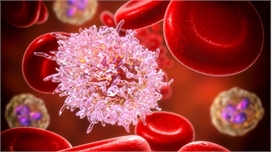
AbbVie has signed a deal worth up to $2.4 billion with the US biotech Harpoon Therapeutics, expanding a research and licensing collaboration involving technology that trains T-cells to target BCMA, a biomarker associated with multiple myeloma.

abbvie-605x338

The deal gives AbbVie an exclusive option on a worldwide license for HPN217, Harpoon’s BCMA-targeting drug, and an expansion of their existing discovery collaboration for up to six additional targets.

These agreements build upon the discovery collaboration established by the two companies in October 2017 and are expected to advance and broaden the use of Harpoon’s Tri-specific T cell Activating Construct (TriTAC) technology.

This produces novel T-cell engagers targeting both solid tumours and blood cancers.

Aside from the option on HPN217, AbbVie will receive worldwide exclusive rights to develop and market two new TriTAC molecules engineered for two selected targets.

AbbVie has an option to select up to four additional targets, and for each of these potential six targets the big pharma will pay Harpoon up to $310 million upfront for potential development, regulatory and commercial milestone payments plus royalties on global sales.

In line with existing arrangements Harpoon and AbbVie will conduct certain initial research and discovery activities for each designated target, after which AbbVie will be solely responsible for further development and marketing efforts.

The deal makes sense for AbbVie, which is already targeting multiple myeloma with its cancer drug Venclexta/Venclyxto (venetoclax), although it is not yet approved in this indication after a troubled clinical development programme that has been delayed because of safety issues.

Harpoon was founded by Patrick Baeuerle, who has pioneered T-cell engaging therapies, and is partner in the biotech’s investor MPM Capital, as well as serving on the biotech’s board as a director.

Its current CEO is Dr Jerry McMahon, who took over Baeuerle in 2016, and spearheaded the original licensing deal with AbbVie in 2017, the biotech’s only major partnership.

McMahon was formerly CEO of immunotherapy firm Kolltan Pharmaceuticals, and led its acquisition by Celldex.

Before this he held positions at AstraZeneca’s MedImmune biologics arm, where he was senior vice president of R&D oncology, and Bay City Capital, where he was a venture partner.

McMahon said: “We believe AbbVie is the ideal partner for Harpoon to support the advancement of our BCMA program given the commercial focus of AbbVie in the treatment of this cancer. In addition, we look forward to expanding our discovery collaboration to include up to six additional molecular targets.”

Merit Medical stent graft system gains breakthrough status

Dive Brief:

  • Merit Medical Systems has received FDA breakthrough designation for its endovascular stent graft system, the company said Thursday.
  • The device, which Merit describes as a “flexible, self-expanding endoprosthesis” is designed to treat the narrowing of blood vessels of patients on chronic dialysis treatment.
  • The South Jordan, Utah-based manufacturer moved the device, called Wrapsody, into a clinical trial in end-stage renal disease patients last year.

    cf7a10c85f91ef41980784a6be26cea0

Dive Insight:

Merit CEO Fred Lampropoulos suggested in comments on a recent call with investors he sees the device as an important part of his efforts to improve the fortunes of the business, which recently slashed its earnings outlook in response to another quarter that fell short of expectations. 

He talked up the prospects of Wrapsody on a call that was overshadowed by Merit’s laundry list of current difficulties.

“Our third quarter results this year were also hampered by our decline in gross margin growth as a result of product sales mix, increased cost, foreign exchange, trade concerns, tariffs and Brexit,” he said in prepared remarks.

Other challenges included the integration of the $100 million purchase of BD’s soft tissue core needle biopsy products in 2018. The endoscopy devices line declined most sharply.

The company lowered its 2019 sales guidance from between $1.007 billion and $1.029 billion to a range of $986 million to $995 million.

Now, Merit stands to benefit from Wrapsody’s breakthrough device designation, which makes it eligible for additional input from FDA, expedited review and, under incoming changes, a different reimbursement process.

The 30-subject trial of Wrapsody is assessing the safety of the stent graft, while also gathering evidence of its ability to keep arm and thoracic central veins open. Merit started a second trial earlier this year to evaluate Wrapsody in iliac artery occlusive disease.

In a press release Thursday, Merit said it’s approaching completion of its first-in-man studies.

UPS plans to improve healthcare traceability with IoT-enabled logistics

Dive Brief:

  • UPS is planning to launch a new offering for tracking healthcare-related shipments in the first quarter of next year called UPS Premier that will use Internet of Things (IoT) sensors to track packages, according to a press release from the company. 
  • UPS is creating a new unit within its operations, Healthcare and Life Sciences, that will oversee this project and other healthcare operations. UPS Premier will use on-package sensors to track items throughout the logistics network and will give priority to “time-dependent and temperature-sensitive packages to help increase on-time reliability,” the company explained.
  • “With these technologies and processing plans, we will have greater flexibility to protect these urgent packages along the ‘chain of custody,’ provide contingency solutions and ensure best-in-class service reliability,” UPS CEO David Abney said in a statement when the project was announced.

f92ff3505cb3284dfd891634d2f53a24

Dive Insight:

Abney spoke about UPS Premier for the first time on the company’s earnings call last month.

“The sensor technologies and special handling plans provide a high-value solution for great visibility and special contingency actions for critical packages,” he said on the call.

The ability to trace medical shipments will move from a nice-to-have to a requirement in 2023. This is when the Food and Drug Administration ‘s new serialization regulations will take effect. The rules will require makers of prescription drugs to have “an electronic, interoperable system to identify and trace” the products they sell in the United States, according to the FDA.

“Efficient inventory management is one of the most important healthcare supply chain components,” Abney said in a statement.

The FDA is looking at multiple ways to improve traceability in this space, including blockchain. The agency began a pilot project earlier this year to study potential solutions. The FDA’s goal is to keep legal drugs off the black market and prevent counterfeit drugs from entering legitimate distribution channels. 

Abney spoke about healthcare alongside e-commerce and international operations as an area of potential growth for the company on the latest earnings call.

Flight Forward, UPS’ drone subsidiary, is also focusing its early operations on the healthcare space. It recently announced plans to work with CVS Pharmacy, AmerisourceBergen and Kaiser Permanente to deliver healthcare supplies via drone.

AstraZeneca’s Calquence Wins FDA Approval for Chronic Lymphocytic Leukemia

Two months after snagging Breakthrough Therapy Designation, AstraZeneca’s Calquence wins approval from the U.S. Food and Drug Administration (FDA) for the treatment of adult patients with chronic lymphocytic leukemia (CLL) or small lymphocytic lymphoma (SLL).

;w=272

The latest approval for Calquence (acalabrutinib), a Bruton tyrosine kinase (BTK) inhibitor, was granted under the FDA’s Real-Time Oncology Review and newly established Project Orbis programs. Calquence binds covalently to BTK, thereby inhibiting its activity. In B-cells, BTK signaling results in activation of pathways necessary for B-cell proliferation, trafficking, chemotaxis and adhesion.

Throughout its clinical trial in this indication, Calquence has continuously flexed its muscles. Data from two separate Phase III trials, ASCEND and ELEVATE-TN, were used as the basis for the Breakthrough Therapy Designation as well as the approval. The ELEVATE-TN trial was halted in June after Calquence hit its endpoints following an interim analysis. Calquence combined with obinutuzumab and as monotherapy reduced the risk of disease progression or death by 90% and 80%, respectively in ELEVATE-TN. Full results of the interim analysis of that trial will be presented at the upcoming American Society of Hematology congress. Calquence met primary endpoints in patients with previously-untreated CLL, which is the most common type of leukemia in adults. In May, AstraZeneca halted the ASCEND trial early after the medication its endpoint at an interim analysis. Similar to the ELEVATE-TN study, ASCEND data showed that Calquence hit the mark in progression-free survival in previously-treated CLL patients. The ASCEND trial marked the first time a Bruton tyrosine kinase (BTK) inhibitor showed a benefit in CLL as a monotherapy. 

Together, the trials showed that Calquence in combination with obinutuzumab or as a monotherapy significantly reduced the relative risk of disease progression or death versus the comparator arms in both 1st-line and relapsed or refractory CLL, AstraZeneca said.

Dave Fredrickson, head of AstraZeneca’s oncology business unit, said the approval of Calquence in these indications provides new hope for patients with one of the most common types of adult leukemia. He said this year alone, there are more than 20,000 new cases that will be diagnosed. Calquence, Fredrickson said, offers “outstanding efficacy and a favorable tolerability profile” for patients.

“The chronic lymphocytic leukemia patient population is known to face multiple comorbidities, and tolerability is a critical factor in their treatment,” Fredrickson said in a statement.

Jeff Sharman, lead author of the ELEVATE-TN trial and director of research at Willamette Valley Cancer Institute, added that tolerability is an issue in the current treatment landscape of CLL, particularly as many patients undergo therapy for years.

“In the ELEVATE-TN and ASCEND trials comparing Calquence to commonly used treatment regimens, Calquence demonstrated a clinically meaningful improvement in progression-free survival in patients across multiple settings, while maintaining its favorable tolerability and safety profile,” Sharman said in a statement.

The latest approval of Calquence is among the first to be granted under Project Orbis, an initiative of the FDA’s Oncology Center of Excellence, which provides a framework for concurrent submission and review of oncology medicines.

Calquence is also approved for the treatment of adults with relapsed or refractory mantle cell lymphoma (MCL) and is being developed for the treatment of CLL and other blood cancers. AstraZeneca is planning on seeking additional approvals for Calquence based on the two aforementioned clinical trials. When Calquence was first approved in 2017, AstraZeneca Chief Executive Officer Pascal Soriot said the drug would become a cornerstone in the company’s hematology pipeline.

Mayo’s Startup Acceleration Project Cuts Timelines Dramatically

Mayo Clinic has cut its study start up times by two-thirds, thanks to administrative restructuring, staff education and new technology.

Through its Transforming the Activation of Clinical Trials (TACT) project, the clinic was able to bring study startup times down from 183 days in 2015 to an average 65 days in 2019.

Unknown

And TACT is paying off in sponsor satisfaction. Thanks to the initiative, 82 percent of industry sponsors said they were either satisfied or highly satisfied with study startup times.

“We are being viewed very favorably from sponsors and CROS, and they have expressed gratitude,” said Julie Watters, senior project manager at Mayo Clinic.

In 2015, when the project began, “We were recognizing that it was taking too long to activate clinical trials,” said Watters. “And after our leaders identified this, we realized that over time the process for activating clinical trials had become more complex.”

Mayo’s newly formed Office of Clinical Trials, headed by medical director Adil Bharucha, restructured the study startup process to get financial, contractual and regulatory work done at the same time rather than sequentially.

Getting principal investigators (PI) involved early in the process was critical. But the office also added five new associate project managers to serve as quarterbacks for study startups.

“During the study startup, the associate project manager is the coordinating point,” said Watters. “There are many people involved, and the associate project manager is the focal point to ensure the schedule and remove barriers.”

“We make sure that we have a good blend of skills and knowledge” in project managers, said Watters. “We ensure variation throughout cross training, for example with early cancer vs. Car-T or other therapeutic areas. It’s a close-knit team that shares knowledge.”

“We do offer study coordination resources that can assist our study teams,” said Watters. “We also have research protocol specialists available to assist with study startup.”

According to Watters, it is crucial to have an operational owner once a project launches. In Mayo’s case, the Office of Clinical Trials became the owner of study startups and has successfully sustained gains for the past four years.

Mayo developed a dashboard to help staff streamline and track required startup tasks. The dashboard shows days allocated for certain primary tasks, days remaining and delayed items in red for legal, regulatory and financial tasks.

“Some advantages of the dashboard are that it makes people accountable, and by tracking metrics we can tell if any specific area needs adjustment,” said Watters.

The study startup teams also have a weekly phone call, which ensures that issues arising in the beginning of the startup process are dealt with before they become part of an ongoing protocol.

Another key advantage of using technology is a phone app created for communication with one of Mayo Clinic’s four centralized IRBs.

“Not only is it timely, but also very user-friendly,” said Bharucha. “As part of TACT, the IRB pre-screens protocols before they are submitted and walks study teams through the process.” The app is critical to get busy PIs to submit items even when out of town without a computer.

By Colin Stoecker

India closer to world’s first male contraceptive injection

The contraceptive is effective for 13 years, after which it loses its potency. It is designed as a replacement for surgical vasectomy, which is the only male sterilisation method available in the world.

_fbbe6c1e-0a60-11ea-a248-2cd23afa2126

The Indian Council of Medical Research (ICMR) has successfully completed clinical trials of the world’s first injectable male contraceptive, which has been sent to the Drug Controller General of India (DCGI) for approval, according to researchers involved in the project.

The contraceptive is effective for 13 years, after which it loses its potency. It is designed as a replacement for surgical vasectomy, which is the only male sterilisation method available in the world.

“The product is ready, with only regulatory approvals pending with the Drugs Controller. The trials are over, including extended, phase 3 clinical trials for which 303 candidates were recruited with 97.3% success rate and no reported side-effects. The product can safely be called the world’s first male contraceptive,” said Dr RS Sharma, senior scientist with ICMR, who has been spearheading the trials.

ICMR is the apex body in India for biomedical research. It is funded by the Indian government through the department of medical research at the Union ministry of health and family welfare.

While researchers in the US were working on a similar contraceptive, it is still under development.

According to an article published on the website of the UK’s National Health Service, a trial for the male contraceptive was conducted in 2016 but it had to be stopped because of side effects. “Side effects like acne and mood changes were common,” it said.

In India, 53.5% of couples use some method of contraception or spacing methods, with permanent methods like sterilisation being the most popular, shows data from the National Family Health Survey-4 (2015-16). Around 36% of women opt for sterilisation as compared to 0.3% men going for vasectomy.

The contraceptive is a polymer that has to be injected under local anaesthesia in the sperm-containing tube near the testicles (vas deferens) by a registered medical professional.

“The polymer was developed by Prof SK Guha from the Indian Institute of Technology in the 1970s. ICMR has been researching on it to turn it into a product for mass use since 1984, and the final product is ready after exhaustive trials,” said Sharma.

The product, called reversible inhibition of sperm under guidance (RISUG), is made of a compound called Styrene Maleic Anhydride. “It is effective for at least 13 years once injected. In clinical studies on mice, it has been proven to be a reliable spacing method, and we will be initiating human studies soon to prove that in humans also, it can be used as an effective spacing method,” said Sharma.

“It’s the first in the world from India so we have to be extra careful about approval. We are looking at all aspects, especially the good manufacturing practice (GMP) certification that won’t raise any questions about its quality,” said VG Somani, the drug controller general of India.

“I’d say it will still take about six to seven months for all the approvals to be granted before the product can be manufactured,” said Sonami. The manufacture, sale and distribution of new medical innovation in India requires approval from DCGI, which conducts its own checks before clearing it.

Doctors say injectable male contraceptives will be preferred over vasectomy. “Non-surgical procedures are always preferred over surgical procedures because they will be safer and less invasive. More men are likely to opt for it,” said Dr Anup Kumar, head of urology and renal transplant department, Safdarjung Hospital.

Experts say a male contraceptives can work well in the Indian context provided the government publicises it proactively.

“Two things are needed from the government for it to work; one is to make use of the trial subjects for awareness generation among masses about the product, and second is to offer higher incentives for people opting for male contraceptives,” says AR Nanda, former family welfare secretary, Government of India.


Coming soon: More than 750 inspectors & technicians to regulate medical devices in India

Health Minister Harsh Vardhan says Department of Expenditure has approved the creation of posts to inspect, audit and test the efficacy of medical devices.

watchman-implant-696x392

New Delhi: The Narendra Modi government is set to hire more than 700 inspectors and technicians with the sole aim to regulate the medical devices sector in India.

The move comes just a month after the Union Ministry of Health and Family Welfare empowered drug regulator Central Drugs Standard Control Organisation (CDSCO) to handle medical devices as well.

Now, the ministry has gained in-principle approval from the finance ministry’s Department of Expenditure for the creation of posts across levels.

The government is acting on a report submitted in April by the Drugs Technical Advisory Board (DTAB) — the country’s highest statutory decision-making body on technical matters related to medicines and medical devices — which advised hiring more inspectors.

“In order to strengthen the medical devices vertical of CDSCO and have adequate capacity for regulating all the medical devices, which are being brought under regulation, ministry had submitted a proposal to the Department of Expenditure to create 754 posts at various levels,” Health Minister Dr Harsh Vardhan told ThePrint.

“The department has agreed, in-principle, to the creation of posts in a phased manner. The matter has been taken up for obtaining its formal approval.”

Visit Us On TwitterVisit Us On Google PlusVisit Us On LinkedinVisit Us On Facebook