Vifor Pharma Teams with Evotec to Form Joint Venture Focused on Kidney Diseases

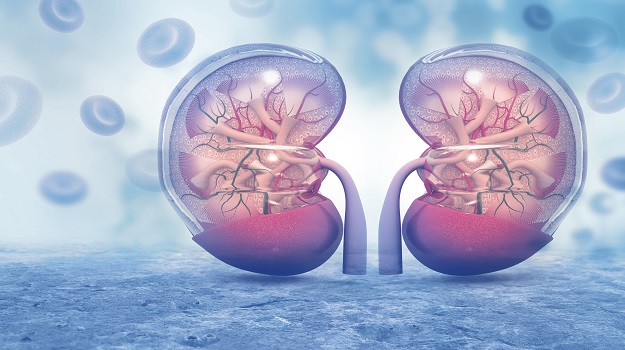
Swiss company Vifor Pharma and Germany’s Evotec AG launched a joint venture to focus on the discovery and development of new therapies for kidney diseases. Vifor picks up external R&D capabilities for its own nephrology pipeline and Evotec gains a commercial partner via outlicensing all kidney disease assets that are developed from the joint venture.
993d64b9-1634-4494-9893-71bc8f10e977

Under the terms of the deal, the joint venture will analyze the clinical data provided by Evotec, which is utilizing a UK kidney biobank, NURTuRE. They hope to identify new targets for kidney therapies and improve existing product profiles of its pipeline. Evotec plans to leverage its drug discovery and development capabilities, using Vifor’s commercial platform to develop a pipeline of nephrology programs.

Once clinical trials for the newly created pipeline are finished, any products will be outlicensed to Vifor for registration and commercialization.

Vifor is providing 25 million euros for initial funding. Evotec’s proprietary PanHunter bioinformatics platform, as well as the data sets from NURTuRE, are expected to generate promising leads. Clinical and commercial expenses are expected to be split equally between the two companies, with opt-out rights at every stage based on a profit share deal.

“The creation of the joint venture will enable us to identify new targets for renal therapies to bolster our pipeline,” said Stefan Schulze, chief operating officer and president of the Executive Committee at Vifor. “We will now have access to Evotec’s best-in-class drug discovery as well as preclinical capabilities without having to expand our own R&D infrastructure. By drawing on the unique strengths of Vifor Pharma and Evotec, this joint venture will create a powerful research platform and contribute to establish Vifor Pharma as a global leader in nephrology.”

Earlier this week, Vifor announced a commercial partnership with Janssen Pharmaceuticals, a Johnson & Johnson company. They will jointly commercialize Invokana (canagliflozin) in the U.S. to treat diabetic kidney disease (DKD) and decrease the risk of hospitalization for heart failure in patients with type 2 diabetes and diabetic kidney disease.

The drug is already available in the U.S. to decrease the risk of major cardiovascular events and improve glycemic control in type 2 diabetes. Janssen submitted a supplemental New Drug Application (sNDA) for Invokana to the U.S. Food and Drug Administration (FDA) for diabetic kidney disease in type 2 diabetes patients after the results of the Phase III CREDENCE trial. The study was halted early because it met the prespecified criteria for efficacy, showing a 30% decrease in the risk of the primary composite endpoint, made up of end-stage kidney disease (ESKD), doubling of serum creatinine and renal or cardiovascular death. The FDA gave the drug a thumbs-up for the new indication on September 30.

Of the joint venture with Vifor, Cord Dohrmann, chief scientific officer at Evotec, said, “We are excited to be entering into this highly complementary joint venture with Vifor Pharma. The partnership will help us maximize the potential of our early-stage target identification and candidate selection platform in nephrology by creating a joint company with one of the world leaders in nephrology clinical development and commercialization. This will allow Evotec to participate in the value generation of clinical development.”

Europe allows Edwards’ Sapien 3 TAVR system in low-risk patients

Dive Brief:

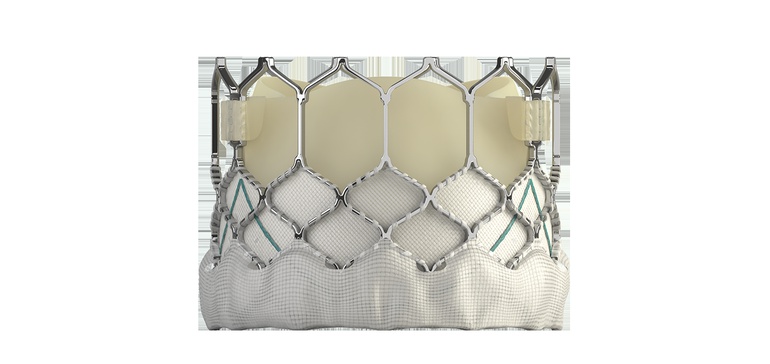
  • Edwards Lifesciences’ Sapien 3 transcatheter heart valve is now allowed for use in Europe in patients at low risk for complications in open heart surgery, the medtech said Wednesday.
  • The CE mark expanding the indication for the Edwards technology follows an FDA decision in August to authorize the use of transcatheter aortic valve replacement systems from Edwards and competitor Medtronic in low-risk U.S. aortic stenosis patients.
  • Edwards said it is the first such system to achieve the low-risk indication in Europe.a1c09bfd588bfef972a991adf6a0c5f6

Dive Insight:

Edwards saw a 26% increase in sales of its transcatheter aortic valve replacement, or implentation, systems during its most recent quarter, helping the Irvine, California-based company rake in $700 million.

“In Europe, Edwards’ growth was in the teens and we estimate that our competitive position was stable,” CEO Mike Mussallem said on an Oct. 23 earnings call. “Although transcatheter valves have been commercially available for over a decade in Europe, it’s encouraging to note that demand remains strong.”

Medtronic estimated in August there are 165,000 low-risk aortic stenosis patients throughout the U.S., Europe and Japan. Edwards did not estimate in its press release the number of new individuals who may now be eligible to receive its system under the expansion.

Both Medtronic and Edwards presented data on use of their TAVR systems in low-risk patients at the American College of Cardiology meeting in March. Edwards touted its Partner 3 trial, in which Sapien 3 use in low-risk patients led to superior outcomes when assessing all-cause mortality, stroke and one-year rehospitalization compared to patients undergoing open heart surgery.

Helge Möllmann, a cardiology expert at St. Johannes Hospital in Germany, said in Edwards’ announcement Wednesday that the European approval allows patients to be considered for the device based on “anatomical considerations or other individual needs rather than risk scores.”

Edwards also highlighted data from a company-backed study at the Transcatheter Cardiovascular Therapeutics symposium in September indicating low-risk patients saw substantially greater quality-of-life benefits a month after implantation. Those benefits continued at six months.

According to Medtronic, its third-generation Evolut Pro system was approved in Europe for extreme-, high- and intermediate-risk patients in 2017.

Epidermal Display Screens for On-Body Flexible Medical Devices

Researchers from Nanjing University in China have developed a way to place displays on human skin that are flexible, safe, and don’t require a lot of power to run. The technology will certainly have implications for the field of wearable devices by allowing already existing flexible medical devices to display relevant biomedical information.


TOC

Previously, flexible alternating-current electroluminescent displays that can be applied to the skin required relatively high voltages, potentially hurting users if damaged. They also drain a lot of power.

The new device is made of silver nanowire electrodes encasing a layer of a stretchable dielectric material with light-emitting microparticles seeded throughout. The dielectric is made of a stretchy polymer with ceramic nanoparticles. These nanoparticles work with the light-emitting ones to boost their brightness, allowing for the screen to be seen with indoor lighting turned on.


A volunteer had a screen stuck to his skin that displayed the time. It looks like the technology can be easily shrunk down for much higher resolution displays that can provide live data from on-body medical devices, healthcare trackers, and that can even be used in hospitals to display readings directly on patients.

Bioplus Life Sciences and Global Regulatory & Consumer Insights sign Strategic partnership Agreement

Global Regulatory & Consumer Insights (GR-CIS)  a leading Regulatory service provider announced  that it has been selected as the strategic partner by Bioplus Life Sciences, a global biopharmaceutical company, to provide clinical development and regulatory services worldwide. GR-CIS will work with Bioplus Life Sciences to drive innovation and accelerate development as well as to increase productivity and cost effectiveness.

IMG_7476

The agreement is effective for all of Bioplus life Sciences Investigational New Drugs (IND) new clinical study programs on a global basis. Through the partnership, Bioplus will receive benefits of GR-CIS’s proven processes through all phases of development. Bioplus will also leverage GR-CIS’s consulting expertise in regulatory affairs and commercialisation.

“As a leader in Regulatory consulting service provider, we look forward to providing Bioplus with best practices to bolster the success of their development efforts. Leveraging our resources as well as the depth and breadth of our expertise, we look forward to working collaboratively with Bioplus to deliver customised, innovative solutions to achieve their goals”said Tarun Pandotra Founder and Director Global Regulatory & Consumer Insights

About Bioplus Life Sciences

Bioplus is a family majority owned business with multiple manufacturing sites and business in over 50+ countries. Bioplus products are focused on naturally sourced, renewable resource compounds validated by advanced science. BioPlus Life Sciences is a research driven company that continually evolves and aspires to improve products and service quality through the utilization of advanced technology combined with extensive research and experimentation.

About Global Regulatory & Consumer Insights

Global Regulatory & Consumer Insights (GR-CIS) is a leading regulatory services provider, providing a broad range of knowledge-based, consulting, and medical communications services to the worldwide pharmaceutical, biotechnology and medical device industries. Committed to providing solutions that expedite time-to-market and peak-market penetration, GR-CIS has developed significant expertise across the development and commercialisation continuum, from drug development and regulatory consulting to commercialisation.

Phillips-Medisize to manufacture drug and device combination wearable

The product is stated to be in post-phase three development-stage and combines two-day, single use, disposable technology for subcutaneous drug delivery.

hobble-lab-work

The wearable needs to be replaced every two days and can be worn using an adhesive patch or near the infusion site.

Phillips-Medisize built devices and supplied key data to support the FDA new drug application (NDA) and will provide the final assembly, testing and quality control on the product. More so, Phillips-Medisize will handle the prefilled drug cartridge that fits inside the device.

Matt Jennings, CEO and president of Phillips-Medisize, said: “This exciting new contract taps over 13 years of Phillips-Medisize’s combination product expertise, which includes cold chain drug handling and first programmes with API handling.  We have experience in manufacturing both combination and electronic-enabled drug delivery devices, and this is our first product submitted for FDA approval that includes both.”

The product is slated to be launched in the second half of the 2020’s fiscal year. The product could also be brought onto Phillips-Medisize’s connected health platform in the future, making it possible to capture and communicate data between patient and provider in order to help monitor adherence.

Medtech player to commercialise device for mental health illnesses

Australian medtech company NeuralDx is set to progress the commercialisation of its EVestG device, which supports clinical diagnosis of psychiatric and neurological disorders.

brain

The EVestG device enables clinicians to diagnose such disorders via digital biomarkers – a quick, painless, convenient and minimally invasive objective test of a patient’s neural responses to determine common brain disorders.

Dr Roger Edwards, NeuralDX chief executive officer, said: “A Meta-study of over 50,000 subjects in the UK have shown that doctors get the diagnosis of depression wrong more than 50% of the time, during first few consultations, not because they are incompetent – there just hasn’t been an objective tool like EVestG to assist in diagnosis.” 

In some cases associated with bipolar disorder [manic/depression] diagnosis, 69% of sufferers report receiving a misdiagnosis which in some cases can go on for over ten years before being effectively treated.

NeuralDx has spent 12 years developing the technology, which it is on the verge of commercialising in Australia and overseas.

Dr Edwards said: “Mental illness is the number one global health issue costing communities trillions of dollars in treatment, management and lost productivity each year, as well as untold suffering and suicide.

“The existing methodology for diagnosing psychiatric and neurological disorders is largely subjective, lacking accuracy and consistency. With EVestG applied to classifying Major Depression from Bipolar Disorder, a greater than 80% accurate diagnosis will be possible after the first visit to the clinician’s office, rather than days, weeks or months.

“EVestG is to the mind what an electrocardiogram (ECG) is to the heart; a diagnostic tool measuring the neural activity of the brain, but significantly less expensive, more convenient, accurate and versatile than EEG, PET or fMRI scans.”

In other controlled studies of the neural responses of over 600 subjects, EVestG technology has measured and analysed digital biomarkers specifically linked to Concussion, Schizophrenia, Alzheimer’s and Parkinson’s disease.

All these results are published or under-review in more than 15 peer reviewed international journals, and all demonstrate EVestG’s high diagnostic potential.

NeuralDx has already registered three patents for EVestG in Australia, the USA, Canada, Europe, China, India and Japan.

Three EVestG units have been built and tested, with one device currently in operation at the University of Manitoba, Canada.

Dr Edwards added: “Everyone should be worried about the accuracy and speed by which mental illnesses are diagnosed. Sufferers in the 21st Century deserve better than what is currently possible, whether they are undiagnosed or misdiagnosed depressed person suffering in remote Australia, a combat warrior, an airline pilot, emergency services person, or someone in your family.

“An advanced diagnostic test like EVestG is needed globally so those that are suffering can get the right help faster with better health outcomes for all.”

NeuralDx is seeking capital to fund a commercial pre-production EVestG model to seek regulatory approval from the Australian Therapeutic Goods Administration (TGA) and the US Food and Drug Administration (FDA).

Fresenius gets breakthrough tag for clot-preventing dialysis device

Dive Brief:

  • Fresenius Medical Care received FDA’s breakthrough device designation for a new hemodialysis system, the company said Thursday.
  • The system features a polymer called Endexo designed to cut the risk of clotting, thereby reducing the need for physicians to administer blood thinners such as heparin.
  • News of the Endexo-enhanced product’s expedited status comes months after Fresenius secured a breakthrough designation for hemodialysis software designed to improve fluid management.

2273c1b7598c7993005830d58080e4ab

Dive Insight:

Heparin is commonly used during hemodialysis to prevent blood clots. However, use of the drug is associated with a range of near and long-term side effects, including low platelet count, osteoporosis and high cholesterol.  

Fresenius, a major provider of dialysis systems, indicated its interest in reducing the risk of these side effects in 2010 when it formed a licensing agreement with Interface Biologics. The agreement gave Fresenius the right to assess the use of Interface’s polymer, Endexo, in its dialysis equipment and an option to license the technology. In 2016, Fresenius extended the license.

Interface designed Endexo to cut platelet adhesion and activation, protein adsorption and thrombus formation, without affecting the mechanical or functional properties of the medical device into which it is incorporated. 

Fresenius’ efforts to use the technology in hemodialysis took a step forward in 2018 when it began a clinical trial of equipment featuring Endexo. The study enrolled 26 patients with end-stage renal disease. Initially, participants were treated using Fresenius’ Optiflux hemodialysis machine. Later, they were switched over to equipment that featured Endexo.

The clinical trial wrapped up earlier this year. Fresenius is due to present data from the study next month. In an abstract released ahead of the presentation, Fresenius said patients performed comparably on the established and experimental devices against measures including urea reduction. 

In some areas, the Endexo system outperformed Optiflux. The study found the Endexo system was 67% more efficient at removing beta2-microglobulin, a marker that some research suggests predicts mortality. 

The breakthrough designation will support Fresenius’ efforts to build on the evidence it has built up over almost a decade working with Endexo to get a device featuring the additive to market. Under the terms of the breakthrough program, Fresenius stands to benefit from closer interactions with FDA and an expedited review.

Medtronic developing fully implanted LVAD with FDA breakthrough support

Dive Brief:

  • Medtronic received FDA’s breakthrough device designation for a new implantable heart pump it is developing to treat patients with advanced heart failure, the company announced Tuesday.
  • The left ventricular assist device (LVAD) in development would be fully implanted without a cable line extending to a power source outside the body. Current LVADs on the market, including Medtronic’s HeartWare system, rely on an external power source.
  • Medtronic said its early-stage device is not yet available for sale in any country.91c4a8787e4d5ccef452a9ddb043ead3

Dive Insight:

Ventricular assist devices provide mechanical circulatory support to patients with weakened hearts, helping pump oxygenated blood from the left ventricle into the ascending aorta. The implant can be used as a bridge to a heart transplant or as destination therapy for patients who are not candidates for a transplant.

Medtronic’s main market competitor is Abbott, which acquired the HeartMate LVAD line in 2017 in its $25 billion deal for St. Jude Medical. Since releasing data showing improved survival and reduced adverse event rates for its HeartMate 3 system at a major medical meeting in March, Abbott has enjoyed a surge in sales in its heart failure business, posting year-over-year growth above 20% in each of the past three quarters.

Sales of Medtronic’s HeartWare system, meanwhile, have fallen dramatically. In the quarter ended July 26, Medtronic said LVADs posted a U.S. revenue percentage decline in the “low 60s” from the prior year while worldwide sales fell at a “high 40s” rate. The slump comes even as Medtronic touted favorable study results for the device in early July, indicating 95% of patients who got a HeartWare pump in a less-invasive thoracotomy procedure were free from disabling stroke after two years.

Now, Medtronic is moving in a new direction in pursuing an LVAD that would remove the need for a connection via cable to an outside power source. A Medtronic spokesperson said the company could not provide more details on the project because it is in the early stages of its development program. “But we are pleased that the FDA sees our development of a fully implantable LVAD system as a worthy technology to receive this breakthrough device designation,” Tracy McNulty said in an email to MedTech Dive.

The company has characterized ventricular assist device therapy as an underutilized treatment, noting that of 240,000 eligible patients, less than 5% receive the technology.

Medtronic paid $1.1 billion for HeartWare International in 2016, adding the pump to its portfolio of cardiac devices that includes stents, pacemakers, defibrillators and heart valves. Before Abbott’s blockbuster St. Jude acquisition, the latter bought Thoratec for $3.4 billion in 2015 to gain HeartMate.

The breakthrough designation positions the company to receive additional input from FDA and accelerated review at the filing stage. Designated devices that later receive marketing authorization may also benefit from a CMS reimbursement model allowing products to receive payment even without initially demonstrating a substantial clinical improvement standard.

FDA puts J&J’s Ethicon surgical stapler recall in top risk category

Dive Brief:

  • FDA has categorized Johnson & Johnson unit Ethicon’s recall of its Echelon Flex Endopath staplers as a Class I event, the agency saidWednesday.
  • The agency put the recall of 8,256 devices in its highest-risk category after concluding the fault could cause serious injuries or death.
  • Ethicon had learned of seven serious injuries and one death related to the recalled products by the time it began pulling the devices from the market earlier this month.


7fbca42ca131b7513bac72d9f225deb3


Dive Insight:

The recall classification is just the latest sign of the agency’s concern about the safety of surgical staplers.

In May, an FDA advisory panel backed plans to require premarket review of surgical staplers used in internal procedures. The regulatory change would move such staplers into Class II and add special controls to the class of products. FDA proposed the changes in light of the safety record of surgical staplers.

From 2011 to 2018, FDA received 412 reports of deaths and learned of 110,000 malfunctions linked to surgical staplers and staples for internal use. An analysis of some of the malfunction reports showed almost one-third of the reported faults related to malformed staples or staple lines, the same issue that triggered the Ethicon recall. 

For J&J, the move by FDA comes after the agency earlier this year labeled recall of 92,000 circular staplers as a Class I event.

In this latest case, Ethicon wrote to customers who bought the surgical staplers at the start of October to warn them of an out-of-specification component that could malform staples. These malformed staples could cause a range of complications, from prolonged surgical procedures to death.

To mitigate the risks, Ethicon asked customers to check their stocks of Echelon Flex Endopath staplers and quarantine any devices affected by the recall. Ethicon wants customers to return 60mm staplers subject to the recall immediately. The J&J subsidiary will only provide replacements for recalled 60mm staplers if it receives the defective device by the end of the year. 

Based on the death and serious injuries linked to the devices, FDA categorized the recall as its most serious type of product withdrawal.

The history of problems with surgical staplers led the nonprofit ECRI Institute to put the products at the top of its list of the top health technology hazards earlier this month. ECRI based its ranking on the rate at which staplers cause harm as a result of both user error, such as choosing the wrong size of staple, and device malfunction.


The Roivant-Sumitomo Deal: $3 Billion, 5 Companies, $550 Million in Loans and an Option on 6 More Companies

In September, Roivant Sciences, Vivek Ramaswamy’s umbrella biotech company, agreed to sell ownership of five of its Vant companies to Japan’s Sumitomo Dainippon Pharma for $3 billion. Sumitomo Dainippon also was buying an equity stake of more than 10% of Roivant shares.

4bfb892d-6345-4dd9-b19d-5566d1c7be17

The companies have released more details of the deal, which includes an option on six more Vant companies until 2024. The agreement was formally signed yesterday. Sumitomo will create an as-yet unnamed company to shift the five companies into. They will be run by Myrtle Potter, a former Genentech executive who has been the operating chair of Roivant since July 2018.

There is a $3 billion upfront fee. In addition, Sumitomo will offer a $350 million loan facility to Myovant to fund the launch of relugolix, its Phase III candidate for uterine fibroids if it is approved. The Japanese firm will also loan Urovant $200 million for its vibegron for overactive bladder.

If Sumitomo options the other six companies, will have acquired a pipeline of more than 25 clinical programs with multiple possible launches from 2020 to 2022. In addition to buying the five initial companies, the deal gives Sumitomo access to Roivant’s proprietary technology platforms, DrugOme and Digital Innovation. It will also enter separate strategic client relationships with Datavant and Alyvant.

The five Vant companies are Myovant Sciences, Urovant Sciences, Enzyvant Therapeutics, Altavant Sciences, and Spirovant Sciences. Spirovant is a new Vant that focuses on developing gene therapies for cystic fibrosis.

In addition to Potter, other Roivant team members will move to the new entity. They include Adele Gulfo, Roivant’s chief of Commercial Development, Sam Azoulay, Roivant’s chief medical officer, and Dan Rothman, Roivant’s chief information officer.

“I am happy to announce that we have reached an agreement on the Strategic Alliance with Roivant, one of the strategic investments that we are making to address our challenges laid out in the Mid-Term Business Plan 2022,” said Hiroshi Nomura, representative director, president and chief executive officer of Sumitomo Dainippon Pharma. “This Strategic Alliance allows us to not only acquire potential blockbusters and innovative health technology platforms developed by Roivant, but it will also enable us to deepen our relationship with Roivant, a company that possesses an innovative business model and underlying culture. We expect this relationship will contribute significantly to the establishment of a position as a ‘Global Specialized Player’ which we aspire to be in by 2033.”

Spirovant is working to develop two therapies for cystic fibrosis. SPIRO-2101 uses an adeno-associated virus vector (AAV), like most gene therapies, to deliver a functional l CFTR gene to airway epithelial cells. SPIRO-2102 uses a proprietary lentiviral vector to deliver the gene. In animal models, both have showed restoration of CFTR function. The company’s aerosolization technology is designed to maximize uptake in the lungs.

The two therapeutics leverage technology out of the University of Iowa Center for Gene Therapy at the Carver College of Medicine. Its collaboration with Children’s Hospital of Philadelphia (CHOP) was involved with the manufacture of the preclinical supply of the AAV products.

“We are proud to enter this unique Alliance with Sumitomo Dainippon Pharma,” said Ramaswamy. “We hope that our contributions to this Alliance will enable Sumitomo Dainippon Pharma to realize its vision to be a global leader in the biopharmaceutical industry. In addition, we believe that this Alliance will increase the long-term value of each Vant in the Alliance through a combination of strong financial backing and other capabilities.”

Visit Us On TwitterVisit Us On Google PlusVisit Us On LinkedinVisit Us On Facebook