UPS gets clearance to expand medical drone delivery service across US

A subsidiary of UPS has gained regulatory clearance allowing it to expand a medical drone delivery service to support hospitals across the US.

medical_drone2-600x400


UPS Flight Forward said earlier this month it has received the US government certification to operate a drone airline.

Immediately after the US Federal Aviation Administration awarded the company a ‘Part 135 Standard’ certification the UPS subsidiary immediately launched the first drone delivery flight.

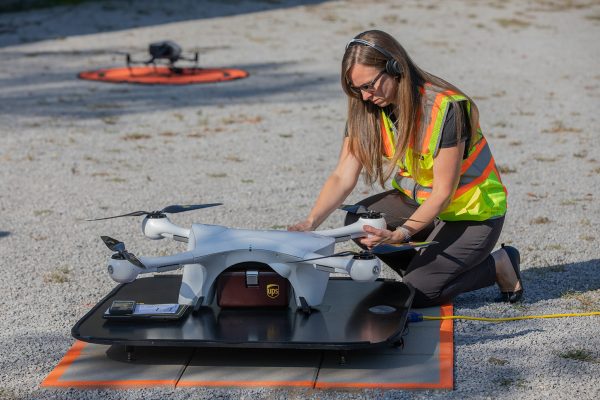
The flight used a Matternet M2 quadcopter to visit the WakeMed hospital campus in Raleigh, North Carolina.

This was flown under a government exemption allowing for a “beyond visual line of sight” operations, another US first for a commercial operation.

UPS hopes to improve delivery of medical supplies using its drones, where the shortest time in transit can improve efficiency and quality of healthcare services.

UPS partnered with drone firm Matternet earlier this year to launch the healthcare delivery service on the WakeMed campus, which can carry supplies for up to 12.5 miles.

According to UPS the first commercial flight has made the business case for a medical delivery service using drones and now has plans to expand the service to a variety of critical care or lifesaving applications.

The Part 135 Standard certification has no limits on the size or scope of operations and is the highest level of certification, which no other company has attained.

It allows UPS to fly an unlimited number of drones with an unlimited number of remote operators in command, allowing UPS to scale up its operations.

David Abney, UPS chief executive officer, said: “This is history in the making, and we aren’t done yet. Our technology is opening doors for UPS and solving problems in unique ways for our customers. We will soon announce other steps to build out our infrastructure, expand services for healthcare customers and put drones to new uses in the future.”

Earlier this year, Merck & Co announced it had joined a consortium testing the potential of drones to deliver medicines and vaccines.

Testing began in the Bahamas, with backing from partners Softbox, AT&T, and Volans-i.

Top 20 Pharma Companies by Market Cap in Q1 2019

GlobalData recently published their top 20 global pharma companies categorized by market capitalization in the first quarter of 2019. One company to break the top 20 was Takeda Pharmaceutical, which grew to $63.4 billion in the first quarter as the result of its acquisition of Dublin-based Shire. Together, the top 20 pharma companies reported an aggregated market cap of $2.63 trillion—yes, trillion!—in Q1 2019, an increase of 6.2% compared to $2.47 trillion on December 31, 2018. Perhaps not surprisingly, most of these companies overlap with the BioSpace Top Life Sciences Employers. Here’s a look.

91d36c78-2712-4a8b-8876-a05e593cc2b6

#1. Johnson & Johnson. $372.2 billion. The company’s market cap grew 7.5% from the previous quarter. Today, the pharma giant was ordered to pay a Pennsylvania man an $8 billion settlement over claims he wasn’t warned that his antipsychotic drug, Risperdal, would cause him to develop breasts. The drug is prescribed to treat schizophrenia and bipolar disorders, but is also used as a sleeping medication, which is what Nicholas Murray was prescribed it for as a minor.

#2. Roche. $239.6 billion. An increase of 12.7% from Q4 2018. On September 30, the company announced positive data from its Phase III IMvigor130 trial of Tecentriq (atezolizumab) plus platinum-based chemotherapy compared to chemotherapy alone for first-line treatment of untreated locally advanced or metastatic urothelial carcinoma (mUC) eligible and ineligible for cisplatin chemotherapy. It showed a statistically significant improvement in progression-free survival (PFS).

#3. Pfizer. $235.8 billion. A decrease of 6.9% from the previous quarter. On September 27, the company’s executive chairman Ian C. Read announced his retirement on December 31, 2019. He will be succeeded by Albert Bourla, who replaced Read as chief executive officer on January 1, 2019.

#4. Novartis. $226.3 billion. An increase of 14%. On October 9, the company announced that a study of real-world evidence (RWE) confirmed the high efficacy and long-term response of Cosentyx (secukinumab) in a variety of immune disorders, including psoriasis, psoriatic arthritis and ankylosing spondylitis.

#5. Merck. $213.3 billion. An increase of 7.3%. On October 8, Merck partnered with UK-based 4D Pharma to develop three Live Biotherapeutics-based vaccines.

#6. Eli Lilly. $133.6 billion. An increase of 9.0% from the previous quarter. On October 7, Lilly announced data from its Phase III RELAY trial of Cyramza (ramucirumab) in previously untreated patients with metastatic EGFR-mutated non-small cell lung cancer (NSCLC). The patients receiving the drug showed a statistically significant and clinically meaningful improvement in progression-free survival (PFS) compared to erlotinib alone.

#7. Novo Nordisk. $132.1 billion. An increase of 17%. On September 20, the FDA approved the company’s Rybelsus (semaglutide) tablets 7 mg or 14 mg for adults with type 2 diabetes. It is the first and only glucagon-like peptide-1 analog in a pill.

#8. AbbVie. $119.1 billion. A drop of 14.7% from the previous quarter. In June 2019, AbbVie announced it was buying Dublin-based Allergan for $63 billion.

#9. Amgen. $116.8 billion. A decrease of 5.9% from the previous quarter. On September 27, Amgen announced new data from its ongoing Phase I trial of AMG 510 in patients with previously treated KRAS G12C-mutant solid tumors. “KRAS is the most frequently mutated oncogene in human tumors,” said David M. Reese, Amgen’s executive vice president of Research and Development. “Although KRASG12C has been a formidable target for nearly four decades, we can now report responses in patients with non-small cell lung, colorectal and appendiceal cancers.”

#10. Sanofi. $115.7 billion. An increase of 3.9% from the previous quarter. In mid-September, Sanofi teamed with Abbott to integrate glucose sensing and insulin delivery technologies to help people manage their diabetes.

#11. GlaxoSmithKline. $105.7 billion. An increase of 7.2% from the previous quarter. On October 8, GlaxoSmithKline entered a five-year collaboration pact with Lyell Immunopharma to develop new technologies to improve cell therapies for cancer. It will apply Lyell’s technology to strengthen GSK’s cell therapy pipeline, including GSK3377794, which targets the NY-ESO-1 antigen seen in a wide variety of cancers.

#12. AstraZeneca. $103.7 billion. Increased 4.5% from the fourth quarter of 2018. On October 4, the FDA approved the self-administration of the company’s Fasenra (benralizumab) in a pre-filled, single-use auto-injector called the Fasenra Pen for eosinophilic asthma. It was supported with data from the Phase III GRECO trial and the Phase I AMES trial.

#13. Gilead Sciences. $81.2 billion. Up by 0.3% from the previous quarter. On October 3, the FDA approved Gilead’s pre-exposure prophylaxis (PrEP) indication for Descovy to prevent HIV.

#14. Bristol-Myers Squibb. $78.1 billion. Down 7.9% from the fourth quarter of 2019. In April 2019, Bristol-Myers Squibb’s shareholders voted to approve the acquisition of Celgene for approximately $74 billion. The merger deal has been drawing out, requiring the sale of some of its assets to meet Federal Trade Commission (FTC) requirements for non-competition laws. This includes Celgene’s Otezla (apremilast) for psoriasis and psoriatic arthritis. Bristol-Myers has a rival TYK2 psoriasis drug in Phase III trials called BMS-986165.

#15. CSL. $65.9 billion. Increased 5.4% from the previous quarter. On August 7, CSL announced plans to build new laboratories and offices for its global corporate headquarters in Melbourne, Australia.

#16. Takeda Pharmaceuticals. $53.4. This marks an increase of 141.8% from the previous quarter. On September 30, Takeda was recognized by Working Mother as one of the 2019 100 Best Companies, chosen for providing inclusive benefits for families including gender-neutral parental bonding leave, flexible work options, leadership development programs, and programs to support caregivers.

#17. Bayer. $63.4 billion. This is a drop of 4.9% from the previous quarter. On October 1, Bayer and Boston-based Arvinas finalized the terms of their joint venture, Oerth Bio, and named John Dombrosky as its chief executive officer. Oerth will focus on targeted protein degradation to improve crop yields.

#18. Celgene. $61.4 billion. Increased 37.1% from the fourth quarter 2018. On September 12, Celgene announced topline results from its Phase III QUAZAR AML-001 trial of CC-486 in newly diagnosed acute myeloid leukemia who achieved first complete response (CR) or complete response with incomplete blood count recover (CRi) with induction chemotherapy. The drug showed a highly statistically significant and clinically meaningful improvement in overall survival compared to placebo.

#19. Merck KGaA. $52.2 billion. Increased 13% from Q4 2018. Not to be confused with U.S.-based Merck & Co., Darmstadt, Germany-based Merck KGaA announced on October 7 it had completed the merger of Versum Materials for 5.8 billion euros. This business combination will make Merck KGaA, Darmstadt, Germany, a leading electronic materials company focused on semiconductors and display industries.

#20. Allergan. $48.7 billion. Increased 8.1% from Q4 2018 to Q1 2019. The biggest news since the June announcement that AbbVie was acquiring the company, is an October 7 statement that the company is launching three new over-the-counter REFRESH RELIEVA products for contact lens wearers.

UCB sets sights on rare diseases giant Alexion with Ra Pharma acquisition

UCB is to buy US biotech Ra Pharma in a deal worth around $2.1 billion, adding a late-stage treatment for the rare muscle weakness disease myasthenia gravis to its R&D pipeline and setting up a potential showdown with rare diseases giant Alexion.

UCB_tower-605x340

The Belgian pharma will acquire Massachusetts-based Ra Pharma at a price of $48 per share, and the board of both companies have unanimously approved the transaction.

As usual the deal must still be approved by Ra’s shareholders and by various competition regulators.

Ra specialises in using synthetic peptides to create novel medicines for serious diseases caused by excessive or uncontrolled activation of the complement system, a critical component of the innate immune system.

It’s a rare disease niche that is already exploited by the Alexion, which has Soliris and and its successor Ultomiris approved in several rare diseases caused by problems with the complement system, including myasthenia gravis.

Ra Pharma’s phase 3 product candidate, zilucoplan, is a once-daily self-administered, subcutaneous peptide inhibitor of C5.

In December 2018, Ra Pharma announced positive top-line results from a phase 2 trial of zilucoplan in patients with generalised myasthenia gravis (gMG), achieving clinically meaningful and statistically significant reductions in both primary and key secondary endpoints.

It is being tested in a phase 3 trial in gMG and top-line results are expected in early 2021.

Zilucoplan is also being developed in patients with paroxysmal nocturnal haemoglobinuria (PNH), who have not responded well to Soliris.

There are further plans to develop zilucoplan in diseases including immune-mediated necrotising myopathy, amyotrophic later scleroisis, and other tissue-based disorders caused by issues with the complement system.

Ra is also developing an extended release formulation of zilucoplan, as well as a potential first-in-class oral small molecule C5 inhibitor.

UCB has made the acquisition as part of a strategic growth plan announced in January this year.

As well as potentially expanding its portfolio of products, the deal brings in Ra’s expertise with synthetic peptides, which combine the specificity and high affinity of therapeutic antibodies with pharmacological properties of small molecules.

It will also strengthen UCB’s presence in the innovation hub in the Boston, Massachusetts area, one of the most important life sciences “hubs” in the world.

Jean-Christophe Tellier, CEO UCB said: “Ra Pharma is an excellent strategic fit addressing multiple areas of UCB’s patient value growth strategy. Upon closing, the acquisition will add to our strong internal growth opportunities – six potential product launches in the next five years, strengthening our neurology and immunology franchises with late and early-state pipeline projects”.

Cytel and Axio Research Merge

Merged business will operate under the Cytel brand and employ 1,000 statisticians and data scientists across the U.S., India, and Europe.

Unknown

Cytel Inc., a global provider of analytical software and services, and Axio Research, a Seattle-based provider of biostatistics to pharma, biopharma, and medical device companies, have merged and will operate under the Cytel brand, with Axio continuing to provide its data monitoring committee services for clinical trials, as Axio, a Cytel company.

The merged business will employ 1,000 statisticians and data scientists across the U.S., India, and Europe. The organization will continue to develop solutions to help advance clinical development while providing services for the combined organization’s portfolio of customers. 

“We believe that better use of data will ultimately revolutionize drug development,” said Joshua Schultz, chief executive officer of Cytel. “Our vision is to unite the combined expertise of our two companies to deliver powerful analytical solutions that address trial sponsors’ toughest drug development challenges and maximize the opportunities offered by emerging data sources.”

“We are delighted to merge with Cytel, a company that shares our academic heritage, cultural values, and deep commitment to scientific and statistical excellence,” said Lee Hooks, chief executive officer of Axio Research. “Axio’s capabilities in data monitoring committees and biostatistics services will seamlessly complement Cytel’s existing clinical research services and software. Under the Cytel umbrella, Axio’s customers will receive the same exemplary levels of service while benefiting from extended capabilities, reach, and infrastructure.”

Australian biotech Clinuvel gets approval in US for rare skin disorder drug Scenesse

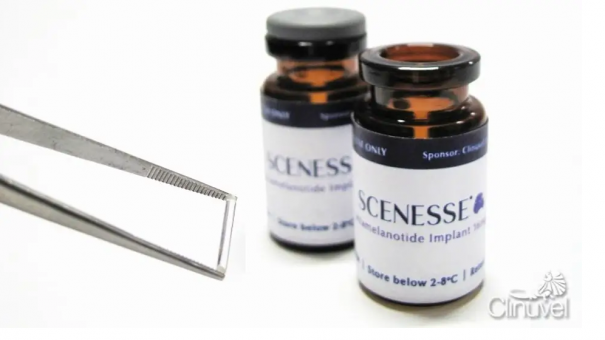
Australian biotech Clinuvel has claimed a US approval for Scenesse, a treatment for a rare skin disorder that causes extreme sensitivity to light.

Scenesse-605x340

The under-the-skin implant has been cleared by the FDA to treat erythropoietic protoporphyria (EPP), a genetic disorder that causes severe pain on exposure to sunlight as well as artificial light, such as fluorescent bulbs.

Scenesse has been approved in Europe for the same indication since 2014, and made sales of A$31 million (around $21 million in US dollars) in the year to 30 June 2019, a rise of 22%, according to Clinuvel’s latest financial report.

Scenesse (afamelanotide) is the first drug to be approved for EPP, which is caused by deficiency in an enzyme (ferrochelatase) that leads to high levels of protoporphyrin IX in the skin and other tissues such as the bone marrow and blood.

Protoporphyrin molecules are usually converted to create haem, a component of the oxygen-carrying haemoglobin molecule in red blood cells. When accumulated in the skin they react to light in the skin to form free radicals that damage skin cells and along with pain can cause swelling, blisters, and ulcerations that can form scars.

Clinuvel’s implant carries a melanocortin-1 receptor (MC1-R) agonist that increases the production of eumelanin, one of two forms of the natural skin pigment melanin. Eumelanin is found in people with darker skin, while the other form – pheomelanin – is more prevalent in light-skinned people.

In clinical trials, Scenesse was able to increase the number of hours patients with EPP could spend in sunlight with no pain compared to placebo, said the FDA in a statement.

In one 93-patient study, Scenesse-treated patients withstood 64 hours of sunlight with no pain over a 180-day period, versus 41 hours for the placebo group.

A second study over 270 days showed that patients with the drug implant were able to withstand six hours of daily sunlight on average with no pain, compared to just 45 minutes with placebo.

The green light from the FDA caused a 60% spike in Clinuvel’s share price that made it one of the top 150 listed companies on the ASX, just a few months after making its debut on the exchange, as investors looked forward to what could be a sizeable increase in revenues for Scenesse.

Scenesse’s approval in Europe was the first time that the EMA took into account testimony from patient groups in deciding to approve a drug that at the time had limited efficacy data, but patients in the US were unable to accelerate its FDA review.

The American Porphyria Foundation (APF) – which has been lobbying hard for access to the drug for years – says EPP is the third most common form of porphyria with a prevalence of 1 in 200,000 to 1 in 75,000 in different populations.

Clinuvel has still faced payer resistance in Europe, however. UK cost-effectiveness agency NICE rejected the drug in 2017 but re-opened its review after an appeal last year. The new appraisal is still in progress, with the last committee meeting held in March.

US court tells J&J to pay $8bn damages to man over breast growth

A court has told Johnson & Johnson to pay $8 billion in punitive damages to a man who said he was not warned that an antipsychotic drug could lead to breast growth.

JJ-sign-605x340

A jury in Philadelphia awarded the damages to a man who previously won $680,000 over his claims that J&J failed to warn that young men using the antipsychotic drug Risperdal could grow breasts.

The Philadelphia Court of Common Pleas jury’s verdict in favour of Nicholas Murray was the first time the court has been able to consider awarding punitive damages in one of thousands of Risperdal cases pending in the state.

According to Reuters, Murray’s lawyers Tom Kline and Jason Itkin said in a joint statement: “This jury, like juries in other litigations, have once again imposed punitive damages on a corporation that valued profits over safety and profits over patients.”

J&J said that the award was “grossly disproportionate” and added that along with the compensatory award, it was confident the decision will be overturned on appeal.

The US pharma added that the jury had not been allowed to hear evidence of Risperdal’s benefits.

Reuters cited a legal expert who said he expected punitive damages to be lowered considerably following any appeal, although he noted that the verdict was about sending a message to J&J.

“A jury, if it’s outrageous enough conduct, will award a big number and let the lawyers and judges work it out,” said Professor Carl Tobias of the University of Richmond School of Law.

It’s just the latest ruling that J&J’s increasingly busy legal department must deal with – the US giant is also facing a court battle over its role in the US opioid crisis, plus challenges over the safety of its vaginal mesh implants, and baby powder allegedly tainted with asbestos.

There are also more Risperdal cases to contend with, and this ruling could be a sign that J&J could face more large damage awards, Tobias said.

Novo Nordisk and bluebird bio Enter 3-Year Gene Therapy Collaboration Pact

Cambridge, Massachusetts-based bluebird bio and Bagsvaerd, Denmark-based Novo Nordiskannounced they have agreed to collaborate to develop next-generation genome editing therapies for genetic diseases, including hemophilia. The deal will last three years, with a top priority to develop a gene therapy for hemophilia A.

6b1f286c-a5af-4fbd-8a29-e6e450665bde

The partnership will leverage bluebird’s mRNA-based megaTAL technology that is used to silence, editor or insert genetic components. Novo Nordisk has a hemophilia portfolio. The initial focus will be on correcting FVIII-clotting factor deficiency. No financial details were disclosed.

MegaTALs are a single-chain fusion enzyme. It combines the natural DNA cleaving processes of Homing Endonucleases (HEs) with the activity of transcription activator-like (TAL) effectors at the DNA binding region. These proteins are easily engineered to recognize specific DNA sequences.

“We are pleased to announce our collaboration with bluebird whose demonstrated capabilities in gene therapy will enable the next-generation of innovative products to make a significant impact on patients’ lives,” said Marcus Schindler, Novo Nordisk’s senior vice president for Global Drug Discovery.

He went on to say, “This important research collaboration aimed at addressing genetic diseases at the DNA level reflects Novo Nordisk’s enduring commitment and dedication to inventing disease-modifying medicines that can truly change the lives of people living with hemophilia and other genetic diseases.”

Novo Nordisk is better known for its strong presence in the diabetes market and for metabolic diseases. However, the company has been increasing its efforts in hemophilia, with its hemophilia A drug Esperoct receiving approval from both the U.S. Food and Drug Administration (FDA) and European Medicines Agency (EMA) this year.

Hemophilia A is found in about one in 5,000 people and hemophilia B in about one in 25,000 male births. It is estimated that more than 400,000 males have hemophilia A or B, which is severely underdiagnosed in developing countries. About 304,000 people are diagnosed with hemophilia A, the result of decreased or defective production of the blood clotting factor VIII. Hemophilia B is not as common, but affects about 136,000 people who have deficiencies in clotting factor IX.

Hemophilia patients often have bleeding into the joints, particularly knees and ankles, and can have uncontrolled bleeding from trauma, surgery, tooth extractions or other minor surgical treatments.

Bluebird bio is a pioneer of gene therapy. On June 3, the European Commission (EC) granted the company conditional marketing approval for its LentiGlobin gene therapy for transfusion-dependent beta-thalassemia (TDT) under the brand name Zynteglo. It was approved for patients 12 years or older with transfusion-dependent beta-thalassemia who did not have a β00genotype and for patients where hematopoietic stem cell (HSC) transplantation wasn’t appropriate, but a human leukocyte antigen (HLA)-matched related HSC donor isn’t available.

The therapy came with a $1.8 million price tag in Europe, although it has offered a variety of pricing schemes, including a five-year payment plan with annual payments contingent on the therapy’s continued effectiveness, to offset criticism of the price.

Of the deal with Novo Nordisk, Philip Gregory, bluebird’s chief scientific officer, stated, “bluebird has made tremendous progress on enabling an in vivo gene editing platform based on our megaTAL technology, including important advances in high-quality mRNA production and purification. We believe this technology has the potential to create a highly differentiated approach to the treatment of many severe genetic diseases. Moreover, we are thrilled to be able to combine this new platform technology with Novo Nordisk’s deep expertise in hemophilia research and therapeutics. We believe this collaboration will move us toward our shared goal of recoding the treatment paradigm and substantially reduce the burden of disease for patients with factor VIII deficiency.”

FDA Boosts Rare Disease Research with $15 Million in Grants

The U.S. Food and Drug Administration (FDA) awarded $15 million in grants to fund 12 new clinical trials over the next four years to foster the development of rare disease treatments.

25501387-e4ef-455e-81b4-ffa2654c21cc

The grants were awarded through the FDA’s Orphan Products Clinical Trials Grants Program that was provided by Congress to specifically encourage the development of treatments for rare diseases. The grants are intended to substantially contribute to the marketing approval of products to treat rare diseases or provide essential data needed for the development of such products. The FDA selected the 12 recipients out of 89 different applications that were evaluated by more than 100 rare disease experts, the agency said.

FDA Principal Deputy Commissioner Amy Abernethy said the regulatory agency has provided “much-needed financial support” to clinical trials for rare disease treatments for more than three decades. Over that time, the more than $400 million provided by these grants has led to the approval of more than 60 different drugs for rare diseases, she said.

“We are encouraged by the amount of interest we continue to have in the grants program and are committed to working with researchers and industry to facilitate and support the study and development of treatments for patients with rare diseases,” Abernathy said in a statement.

The 12 grant awards are primarily focused on discovering treatments for rare diseases affecting children, with about two-thirds looking at rare cancers, including a type of brain cancer. More than three-fourths of the trials will enroll children, including infants, the FDA said. Some of these diseases include Duchenne Muscular Dystrophy, sickle cell disease and Fanconi Anemia, a rare inherited condition that can result in bone marrow failure and has a high risk for squamous cell cancers. Another of the funded studies is evaluating a novel drug delivery system that delivers chemotherapy on a sustained basis directly to the eye to treat retinoblastoma, a rare cancer in the eye most commonly affecting young children.

Janet Maynard, director of the FDA’s Office of Orphan Products Development, said the majority of rare diseases do not have approved therapies and this grant program is aimed at the hope of developing treatments for these diseases.

“By helping to spark research, we hope to speed the development of products for rare diseases, and ultimately, make needed treatments available to those patients who need them most,” Maynard said.

The awarded grants are:

  • Chemocentryx, Inc. — $1 million over two years to support a Phase II study of avacopan for the treatment of complement 3 glomerulopathy
  • Cincinnati Children’s Hospital Medical Center — $750,000 over three years to support a Phase I study of PTC596 for the treatment of diffuse intrinsic pontine glioma & high-grade gliomas
  • Cincinnati Children’s Hospital Medical Center — $1.7 million over four years to fund a Phase II study of quercetin chemoprevention for the treatment of squamous cell carcinoma in patients with Fanconi Anemia
  • Columbia University Health Sciences — $2 million over four years for a Phase II study of daily vitamin D for the treatment of sickle-cell respiratory complications
  • Cumberland Pharmaceuticals, Inc. — $1 million over three years to support a Phase II study for oral ifetroban for the treatment of cardiomyopathy associated with Duchenne muscular dystrophy
  • Massachusetts General Hospital — $1 million over three years to fund a Phase II study of anti-PD1 therapy for the treatment of HPV-associated recurrent respiratory papillomatosis
  • New York Medical College — $1.7 million over four years to support a Phase II study of viral-specific cytotoxic T-lymphocytes for the treatment of refractory viral infections and T-cell immunodeficiency
  • Privo Technologies, LLC. — $2 million over four years to fund a Phase I/II study of cisplatin patch (PRV111) for the treatment of oral cancer
  • Targeted Therapy Technologies, LLC — A Phase 1 study of episcleral topotecan for the treatment of retinoblastoma will receive $660,000 in support over three years
  • University of Alabama at Birmingham — $750,000 over three years to support a Phase I study of oncolytic engineered herpes simplex virus therapy for the treatment of pediatric malignant cerebellar brain tumors
  • University of California San Diego – A Phase II study of temozolomide for the treatment of gastrointestinal stromal tumor will received $1.5 million over three years
  • University of Texas MD Anderson Cancer Center – A Phase I/II study of imipridone for treatment of acute myeloid leukemia will receive $1 million over four years.

Owning Research Integrity: Make It Everyone’s Obligation

Defending against research misconduct is the responsibility of everyone involved in a trial, from the principal investigator down to the lowest lab technician.

Unknown

Red flags can appear in any aspect of a trial, ranging from missing or altered data, significant omissions in published reports, investigators’ failure to disclose intellectual property interests or industry relationships, and generally results that seem too good to be true or apparently “perfect” protocol compliance, Donna Kessler, Duke University research misconduct review officer, reminded attendees at the Society of Clinical Research Associates annual conference last week.

Another warning sign, she said, is an investigator’s refusal to share raw data or detailed methods. And serious or recurring episodes of non-compliance also bear a closer look.

Kessler also noted that there are practices that aren’t misconduct themselves but can create the environment for misconduct to flourish. For instance, unprofessional behavior — bullying, harassment and discrimination in the lab — can create a barrier to staff reports of misconduct.

Trial staff actually identify more cases of misconduct than trial monitors do, said attorney Debra Parrish.

For example, a financial audit of a Stanford University trial turned up evidence of falsified data and led to a three-year disqualification for the principal investigator. In another instance at the University of Vermont, a lab technician suspected the investigator had falsified data. The tech’s report eventually led to the investigator’s admission that he had committed research misconduct in multiple cases.

It’s important to create an environment in which reporters feel protected, Kessler said. Research institutions should normalize the process with such policies as anonymous reporting options, ombudsman services and prohibition of retaliation. They also can provide their investigators with role models, peer counseling and mentoring of professional behavior.

“Cultivate good citizens, managers and mentors, not just good researchers,” she said.

Although research integrity is a universal obligation, the ultimate responsibility is on the principal investigator’s shoulders. “Some places take the position that the PI is the captain of the ship,” said Parrish. “If the ship goes down, the captain goes down.”

Research scientists need to practice more transparency, Kessler said, explaining their methods, outlining results obtained and sharing source data. Investigators also need to provide better oversight, supervision and mentoring of the trial staff. Frequent discussions about ethics and integrity in research can help keep the ideas fresh in their minds, she said.

PIs should set expectations for data management and conduct routine reviews, Kessler said, recommending giving staff tools to improve record-keeping and reporting, such as auditable systems and electronic notebooks.

Research is not flawless, she said, and researchers need to acknowledge that errors and experimental failure are a normal part of science. Deal with problems transparently and ethically.

“Make the error occur the right way,” she said, and learn from it.

By Colin Stoecker

1,000th Patient Treated with Impella (heart pumps) in Japan

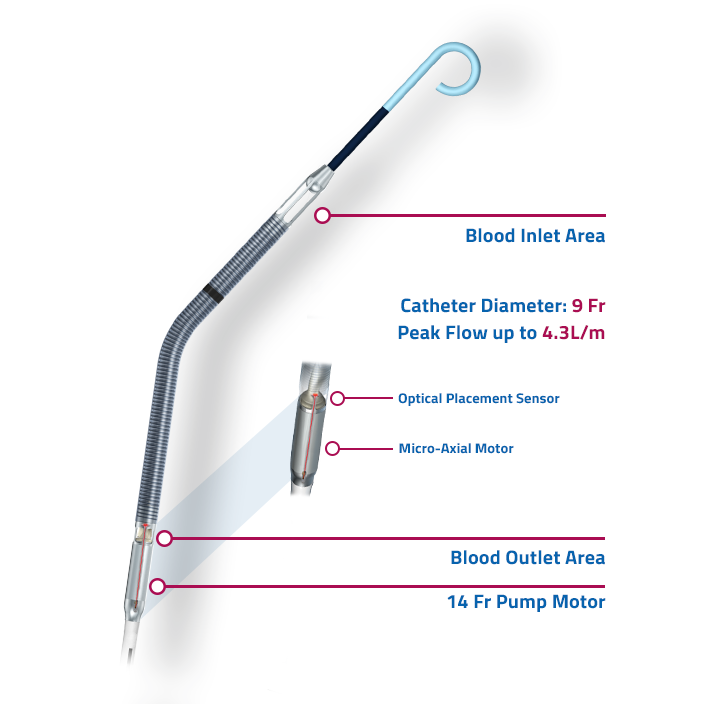
TOKYO–(BUSINESS WIRE)– Abiomed (NASDAQ: ABMD), a leading provider of breakthrough heart support technologies, announces the 1,000th patient has been treated with the Impella heart pump in Japan. The Impella 2.5 and Impella 5.0 heart pumps are approved for the treatment of drug-resistant acute heart failure and are the first and only percutaneous temporary ventricular support devices Pharmaceuticals and Medical Devices Agency (PMDA) approved in Japan. Impella is a minimally invasive therapy that takes over the pumping function of the heart, pumping blood around the body while the heart rests and recovers.
1557507089e9f4394494471b247ca3ad3fa13a9bf1

The first patient in Japan was successfully treated in October 2017 with the Impella 5.0 heart pump at Osaka University Hospital under the leadership of Professor Yoshiki Sawa, M.D., Ph.D. of the Department of Cardiovascular Surgery, Osaka University’s Graduate School of Medicine. Since then, more than 100 hospitals across Japan can now provide Impella support to patients and 138 hospitals have been approved by the government and the Circulatory Support Committee.

Of the first 1,000 Japanese cases, procedural outcomes data is available on the first 580 cases1). The data demonstrates improvements in AMI cardiogenic shock and myocarditis survival rates during the procedure, compared to traditional therapies:

AMI Cardiogenic Shock:

  • With Impella only (n=109):
    • 87% survival to Impella explant with 97% heart recovery2)
  • With Impella + percutaneous cardiopulmonary support (PCPS) (n=89):
    • 54% survival at explant and 75% heart recovery2)
  • With PCPS only:
    • 21% survival to discharge, according to the DPC Database3) and 31% survival to 30 days according to the JCS Shock Registry4)

Myocarditis:

  • With Impella only and with Impella + percutaneous cardiopulmonary support (PCPS) (n=62):
    • 83% survival to Impella explant
  • With PCPS only:
    • 43% survival to discharge according to the DPC Database3)and 52% survival according to the Sawamura CHANGE PUMP Study5)

The protocols used to introduce Impella in Japan were developed based on best practices learned from the experience treating patients in Europe and the United States, including the National Cardiogenic Shock Initiative, the Impella Quality (IQ) Database and the cVAD Study.

According to Professor Sawa, “Since the first case was implemented in October 2017, the number of patients treated with Impella heart pump has been increasing steadily. In Japan, many cardiologists understand the effectiveness of Impella as an unprecedented new option for heart treatment and they are actively working to introduce Impella in their hospitals. As a result, two years after the first case, the number of sites which can provide Impella treatment to the patient has reached more than 100 nationwide with better clinical outcomes6). I expect that the goal of Impella therapy can not only contribute to saving lives, but to heart recovery for more patients.”

“In the past two years we have accumulated clinical results safely with rigorous training and education on best practice protocols, which allowed us to achieve optimal results,” said Eizo Nishimura, president of Abiomed Japan K.K. “Impella is a new option to increase survival and heart recovery rate and turn circulatory support into ‘therapy.’ I would like to thank all the healthcare professionals for their efforts to deliver this innovative technology to more than 1,000 patients. We will continue our effort to make contributions to develop the field of heart recovery, enabling many patients to recover their heart function and return to their normal lives.”

1) Interim tracking data provided by Abiomed Japan as of March 2019
2) Percentage of survival values at Impella removal without the transfer to the circulatory assist device such as IAPB, PCPS and VAD
3) Aso, Critical Care. 2016. 20:80
4) Ueki, PE-767. JCS2016 Poster Session
5) Sawamura, Circ J 2018; 82:699-707
6) O’Neill, AHJ 2018; 202:33-38

ABOUT IMPELLA 2.5 and 5.0 HEART PUMP IN JAPAN

The Impella 2.5® and Impella 5.0® heart pumps received Pharmaceuticals and Medical Devices Agency (PMDA) approval from the Japanese Ministry of Health, Labor & Welfare (MHLW) in September 2016 and received reimbursement, effective September 2017.

In Japan, the Impella heart pump is used for the following indication: In the treatment of drug-resistant acute heart failure attributable to causes such as cardiogenic shock, a catheter is inserted percutaneously/transvascularly without chest-opening surgery, and blood is aspirated via the tip of a catheter inserted/placed into the left ventricle and pumped out via the outlet port located in the ascending aorta, thereby assisting with antegrade blood circulation in the body. It aims to improve hemodynamics and the recovery of the heart muscles through prompt assistance of antegrade blood flow in a minimally invasive manner while reducing burden on the heart muscles, allowing for prompt recovery of cardiac function.

Visit Us On TwitterVisit Us On Google PlusVisit Us On LinkedinVisit Us On Facebook