From Mentor to Sponsor: Enlisting Others to Help Boost Your Life Sciences Career

In the second decade of the 21st century, the concept of mentoring has expanded and gained greater importance for job-seekers and careerists. A 2010 study by the Catalyst organization found that mentoring is important but insufficient for career advancement. Career experts advocate having both a mentor and a sponsor.

44ee9857-bf28-4756-aac7-6e3154ad10b5

Author Sylvia Ann Hewlett popularized the “sponsor” concept in 2011 in the Harvard Business Review, following her article up with the 2013 book, Forget a Mentor, Find a Sponsor. Hewlett particularly targets women as beneficiaries of the sponsor concept, noting that women in the workplace are held back by a “surprising absence of advocacy from men and women in positions of power.” Women may gain the most benefit from sponsors, but men can enlist them as well.

Marissa K Fayer outlines the specific benefits of being sponsored in the life sciences field. Fayer is CEO of HERHealthEQ and president of Fayer Consulting, LLC:

  • “Sponsors, especially in life sciences, will help champion you to others in your organization (or outside).
  • Sponsors are your cheerleaders and can serve as your professional ‘social media’ publicist.
  • As the life sciences industry is traditionally male-dominated toward the top, if you are a woman and looking to continue to advance as the same pace as the men around you, having a sponsor (of either gender) as a champion can help even the stakes.
  • Sponsors in the life sciences industry can help a person see outside the traditional silos we work in, which is incredibly important with the changes happening in the industry.

Mentors can guide you, help you, take you under their wing, and nurture your career quest. What separates a mentor from the average network contact is long-term commitment and a deep-seated investment in your future. And what separates a sponsor from a mentor is that a sponsor will actively champion you and advocate for your advancement. They help you attain important project assignments and promotions. Typically, the sponsor will even benefit from your advancement.

How exactly do sponsors differ from mentors? Hewlett succinctly sums up the difference in her Harvard Business Review article: “Mentors proffer friendly advice. Sponsors pull you up to the next level.” A few additional differences include:

  • Mentors are generally in your field but don’t necessarily work in your organization, while sponsors are part of the senior-level team at your workplace and are invested in your success.
  • Sponsors share their network connections, while mentors typically guide you in how to network.
  • Sponsors double as role models, demonstrating the kind of behavior that leads to advancement.

See more differences in a comparison chart by Maryann Baumgarten.

How to Find a Mentor

Check first to see whether your current employer, your college alma mater, or other organization with which you’re associated already has a formal mentoring program in place. In these structured arrangements, participants are sometimes given personality assessments so that “mentees” can be matched with compatible mentors. Other organizations have found that when mentors and mentees are very different, greater opportunities for discovery emerge.

Sharoni Billik, CEO and founder of SBHC, a medical-affairs professional-services firm, suggests attending professional-organization meetings in a particular therapeutic area and going to conferences. She also cites groups like the HBA (Healthcare Businesswomen’s Association) and Biocom in California. “Be friendly and start conversations. There are many people who would like to help,” Billik states.

To find a mentor on your own, identify someone you admire and respect. You can choose someone from your own place of employment or outside it — or both; some people have more than one mentor. “Serial mentors,” those with whom you have a short-term relationship, one after the other, work well for some people.

Consider a peer mentor – someone at your own level – because they will share many of the same issues and challenges you face.

Avoid a mentor who is too controlling, judgmental, or a know-it-all. Look for a positive, upbeat attitude — someone who will become invested in and celebrate your success. The mentorship is especially productive when the mentor believes he or she can learn from you, and the relationship is a two-way street.

How to Find (or Be Found By) a Sponsor

As stated, a sponsor needs to be a high-level executive in your own organization. Sponsors may seek you out if you are a promising performer, whereas mentors usually need to be recruited. A mentor can also grow into a sponsor, says Fayer: “The best way to find a sponsor is to find someone in a position you want to be (at least 2-3 levels ahead of you), and ask them for advice.  If you “click” with them, you follow their advice, and tell them what you did with their advice then they will give you more and naturally become your sponsor.”

Since it’s more common for a sponsor to choose you than for you to select the sponsor, you can target prospective sponsors through stellar performance and ensuring prospective sponsors know about it. To decide whom to target, ask yourself who in your company makes decisions that affect you, who can benefit from your advancement, and whose network would be most effective in helping you. Baumgartner expands on these questions in a tool that enables you to list possible sponsors that fit these categories.

Step up to take on extra projects and don’t be afraid to toot your own horn so would-be sponsors recognize your initiative. Be clear about your career goals and ensure prospective sponsors know of your ambitions.

Final Thoughts

To enhance and advance your life sciences career, don’t hesitate to pursue both a sponsor and a mentor.

Enough with the me-too drugs. New treatments should be worthy of the people who invest their lives in clinical trials

Like many people starting out in the biotech industry, I wanted to make an impact on people’s lives by developing life-changing therapies. But I’ve become disappointed by what I believe are too many companies pushing mediocre and me-too drugs, also known as copycat drugs, into clinical development where they will likely fail.

Clinical trials are more than a way to test new therapies. They offer very sick people hope and a chance for more time with their loved ones. Lately, the drug development process has turned into an exercise in me-tooism — at patients’ expense. It’s time to shift the focus back to those who matter most.

During a recent panel discussion, Richard Pazdur, who directs the Food and Drug Administration’s Oncology Center of Excellence, called for companies to reevaluate their current clinical trial processes. He rightfully criticized the industry’s repeated attempts at testing an approach in a disease indication after it has failed multiple times.AdobeStock_203485225-768x432-1

Pazdur used the example of checkpoint inhibitors (drugs that target PD-1 or PD-L1) for multiple myeloma. Three recent studies were conducted close together, and although they were well-controlled and well-managed with data safety review boards, multiple studies showing negative results were not needed, he said.

There is no question that replicating studies has value, but in this situation the industry was duplicating harm to patients, as all three studies showed decrements in overall survival.

This problem isn’t limited to multiple myeloma.

With six checkpoint inhibitors on the market, do patients and their doctors really need more of the same? While these drugs are transformative for some, they don’t help the majority of people who take them. What’s more, their use is usually accompanied by harsh side effects. Despite this, the Cancer Research Institute estimates that a whopping 2,250 clinical trials are currently underway for PD-1 or PD-L1 agents — 748 more trials than a little over a year ago.

Is this really the best we can do or strive for? When people enroll in cancer clinical trials, they are placing their lives in our hands. Many have advanced disease and turn to a clinical trial for hope and possible healing. Yet as an industry, we are competing for these patients to test me-too drugs with significant toxicity, sometimes based on marginal preclinical data.

Pazdur said that patients are not a company’s resource. He’s right. They are people who are hoping for a chance at recovery, or at least more time with their families with reasonable quality of life. We should treat patients who volunteer for clinical trials the way we would treat our mothers or husbands or best friends.

Pazdur asked companies to be more efficient by collaborating, sharing data, and conducting platform trials. Some biopharmaceutical companies are trying to do this, but the industry has a long way to go. We should be moving drugs into clinical development only when there’s a strong understanding of disease biology and substantial evidence that a drug has the potential to truly improve lives.

This means rethinking what is an acceptable toxicity profile for a cancer drug and no longer accepting that feeling horribly ill is par for the course for cancer treatments. The drug industry has spent more money to develop more oncology drugs in the last few years than ever before, yet we have not made significant headway in providing broadly effective cancer therapies with limited toxicity. It’s a given that effective oncology treatment will involve combinations of drugs. We need to identify those combinations that offer the appropriate risk for the benefit and allow for a reasonable quality of life.

To develop effective cancer drugs that are well-tolerated, we must slow down and invest the time and dollars at the earliest stages of cancer biology, as well as in preclinical and early-stage clinical trials, ideally leveraging key biomarkers to accurately measure a drug’s effects and identify responders, in order to evaluate if a drug is really worth pushing through late-stage studies into larger populations. Along the way, each company bringing drugs to clinical trials should always be asking: Would I give this drug to a loved one?

By raising the bar, we can give people with cancer new drugs that give them more time with their families and friends without debilitating side effects. We owe it to the millions of people diagnosed with cancer who are looking towards clinical trials as their last hope. And we should accept nothing less.

Pazdur warned that he and the FDA are not pleased with the current state of affairs in the biopharmaceutical industry. We need to take this rebuke to heart, seriously reevaluate our current processes, and once again put patients at the heart of clinical trials.

Gail McIntyre, Ph.D., is the chief scientific officer of Aravive (ARAV), a biotechnology company based in Houston.

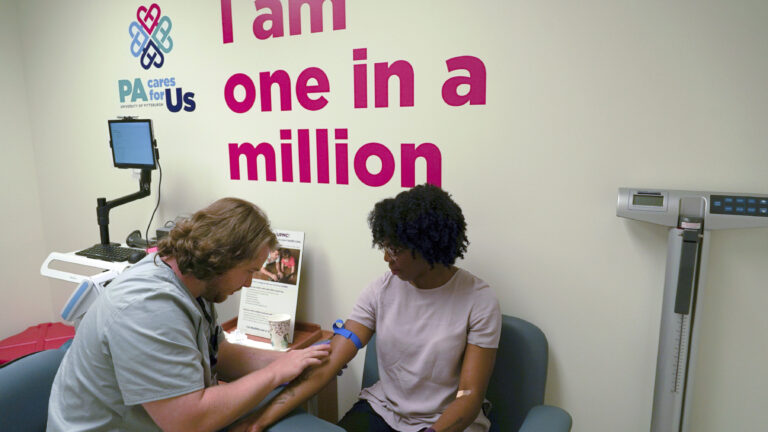
Community engagement is key to clinical trial recruitment and diversity

Clinical trials in the United States have been plagued for years by two well-known problems: They don’t recruit enough people and they fail to reflect the diversity of our nation.

The good news is that solving the diversity problem can resolve both issues. Two birds, one stone.

Researchers whose job it is to fill clinical trials with participants have begun teaming up with tech companies to find modern solutions to this long-standing problem. This approach, however, is just a temporary patch to a problem that requires a longer, more sustained remedy.

AP_17236756008031-768x432

First, the facts: 25% of cancer trials fail to enroll as many participants as they need, and 18% of trials close with fewer than half of the target number of participants after three or more years. As many as 86% of clinical trials do not reach recruitment targets within their specified time periods.

These failures have significant scientific and financial costs. Failing to recruit enough participants can jeopardize the results of a trial, which has been designed to answer a specific research question by recruiting a specific number of participants. It also raises ethical questions about the risks and benefits for patients who volunteer for trials that cannot be completed as intended.

Clinical trials can fail even when they manage to recruit the target number of participants. That’s because without a diverse set of participants, the knowledge they produce isn’t applicable to many Americans.

Last year, ProPublica examined the staggering lack of diversity in cancer drug clinical trials. The investigation revealed a stark and shocking underrepresentation of African Americans in clinical trials for cancer drugs, even when the type of cancer disproportionately affected this group.

And just last week, JAMA Oncology published a study demonstrating that reporting on race in cancer clinical trials is infrequently done, and blacks and Hispanics were consistently underrepresented in landmark trials that led to new cancer drugs being approved by the Food and Drug Administration.  The study’s authors concluded that minorities need to be better represented in clinical trials to ensure the validity of results and reliable benefits to all.

This disparity is not confined to race alone. Most clinical trials lack participation from racial, ethnic, gender, and sexual minorities, as well as the elderly, people who live in rural areas, and individuals of varying socioeconomic backgrounds.

This lack of inclusion seriously hinders advances in biopharmaceutical research and development. And when a breakthrough does occur, it is difficult or impossible to tell if the discovery will work among populations not represented in the studies.

Technology companies are entering the fray and offering new solutions that aim to diversify clinical research and increase participation in it. These range from powerhouses such as Google’s Verily and Uber Health to smaller startups. The goals of these companies and their pharmaceutical partners are to reach patients in new ways and make it easier for them to enroll and participate in trials. Some companies have made it easier to navigate online processes for providing informed consent, an essential part of trial participation. Others use mobile apps to send personalized messages that help participants follow trial protocols and stick with them.

While this is a step in the right direction, technology alone cannot solve the recruitment challenges that clinical trials face. That’s because in many communities there continue to be deep skepticism and questioning about the value of clinical trials. Overcoming that skepticism requires improving trust, as well as gaining validation from respected community institutions and figures.

Biopharmaceutical companies and others running clinical studies must develop community engagement strategies that focus on building long-term, authentic relationships with the communities they seek to reach and the people who live within them. We know this from firsthand experience.

For the past three years, our company, HCM Strategists, has worked with the National Institutes of Health’s All of Us Research Program. The goal of this program is to enroll 1 million or more people from across the United States to volunteer data about themselves that will help uncover paths toward delivering precision medicine. The program has made progress, as described in a recent special report in the New England Journal of Medicine, but there is still much more work to be done.

Our focus has been on engagement — the art and science of building relationships and partnerships with potential participants — to ensure that the individuals the program enrolls reflect the diversity of our country. We have learned there is important work to be done with communities long before clinical trial recruitment begins.

First, individuals must be educated about the personal benefits — and risks — associated with participating in clinical research. Second, clinical trial sponsors must clearly explain how their research can benefit an entire community. Third, researchers need to address concerns about the historical abuses that have occurred in biomedical research within minority communities and what measures are being taken to prevent them from happening again.

Having this kind of information delivered by a trusted messenger is more likely to create a pathway toward trial participation among individuals and communities that have been historically underrepresented in research.

To put these findings into action, we have built and nurtured a national network of more than 1,000 community-based and health care provider organizations that serve as validators and trusted intermediaries to educate potential participants on the value of precision medicine and program participation in All of Us.

We work with everyone from local YMCAs to church leaders and professional societies that represent doctors and nurses. These are the community voices that individuals trust and who they listen to when it comes to the importance of participating in clinical research.

This approach is helping All of Us establish the trust, transparency, and value that is essential to ensuring participation by communities historically underrepresented in biomedical research. The question for other researchers running clinical trials is this: How are you thinking about pairing technology solutions with trusted community voices? If you aren’t, your efforts might be in vain.

We all have a stake in ensuring that clinical trials succeed and the knowledge they produce advances the health of all Americans. Technology has a role to play in helping realize this goal, but it cannot be deployed in isolation. Individuals skeptical about or unaware of biomedical research are not going to be motivated by a mobile app alone. Engagement at the individual and community level is absolutely essential and requires the involvement of real interpersonal relationships that build trust within populations.

These are the new rules of engagement in biomedical research.

Bobby Clark and Ronnie Tepp are principals with the health innovation team at HCM Strategists. Research reported in this publication was supported by the Office Of The Director of the National Institutes of Health under Award Number OT2OD023206. The content is solely the responsibility of the authors and does not necessarily represent the official views of the National Institutes of Health.

Genentech’s Satralizumab Shows Strong Results in Rare CNS Disorder

Genentech, a Roche company, released full data from its pivotal Phase III SAkuraStar trial of satralizumab as a monotherapy for neuromyelitis optica spectrum disorder (NMOSD). The company presented the data at the 35th Congress of the European Committee for Treatment and Research in Multiple Sclerosis (ECTRIMS).

NMOSD is a rare, debilitating autoimmune disease of the central nervous system (CNS) that mostly damages the optic nerve and spinal cord. It leads to blindness, muscle weakness and paralysis. NMOSD patients have unpredictable, severe relapses that result in cumulative, permanent, neurological damage and disability, sometimes leading to death. The disease affects more than 10,000 people in Europe, 15,000 in the U.S. and up to hundreds of thousands worldwide. It is most common in non-Caucasian women in their 30s and 40s. It is often initially misdiagnosed as multiple sclerosis.

fa73647a-76f6-46aa-b649-67dcbf53d874

Satralizumab resulted in a 55% decrease in the risk of relapses compared to placebo in the overall patient population. In a subgroup, which actually made up about 67% of the patient population studied, who were seropositive for AQP4-IgG antibodies, the drug reduced the risk of relapses by 74%. Patients with those antibodies usually experience  more severe symptoms.

“The positive Phase III results for satralizumab, first as an add-on therapy and now as a monotherapy are exciting to see, and importantly, it achieved efficacy in a broad range of NMOSD patients, reflective of what we see in our everyday practice,” said Jeffrey Bennett, with the University of Colorado Neurology & Ophthalmology. “Satralizumab targets the IL-6 receptor, potentially offering a novel treatment approach. Approved treatment options demonstrating favorable safety and efficacy in controlled clinical trials are urgently needed. Even one relapse may lead to blindness and debilitating motor dysfunction for people with NMOSD.”

In the broader cohort receiving satralizumab, 76.1% were relapse-free at 48 weeks compared to 61.9% in the placebo group. At the 96-week mark, 72.1% were relapse-free compared to 51.2% receiving placebo.

In the AQP4-IgG seropositive subgroup, 82.9% were relapse-free at 48 weeks compared to 55.4% in the placebo group, and at 96 weeks, 76.5% were relapse-free compared to 41.1% receiving placebo.

Satralizumab inhibits IL-6 signaling. This signaling is thought to play a major role in inflammation associated with NMOSD.

“While first described 125 years ago, the underlying biology of NMOSD has only recently been understood,” stated Sandra Horning, Roche’s chief medical officer and head of Global Product Development. “The positive results from the pivotal SAkuraStar and SAkuraSky studies support the hypothesis that IL-6 plays a key role in this devastating disease that can take away people’s independence. We are encouraged by these results and look forward to working with regulators over the coming months to bring satralizumab to people living with NMOSD as soon as possible.”

Data from the other trial, SAkuraSky were presented at the ECTRIMS meeting last year. SAkuraSky evaluated satralizumab in combination with baseline therapy in NMOSD. That trial showed a 62% decrease in the risk of relapses in the overall disease population compared to placebo and a 79% decrease in the AQP4-IgG seropositive subgroup.

Speaker Pelosi Circulates Working Plan to Lower 250 Drug Prices in US

Pharma stock prices took an across-the-board tumble Tuesday after Speaker of the House Nancy Pelosi unveiled a working plan to lower the prices of 250 of the most expensive drugs covered by Medicare and other government-funded programs.


72cca1ad-47a1-448a-9637-db8628a02376

In some ways, the plan introduced by Pelosi, which is still a work in progress, according to reports, mirrors proposals put forth by the White House, including providing the government the authority to negotiate directly with drugmakers – something it is currently prohibited from doing. As Politico noted, the Pelosi plan would peg the 250 drugs, including insulin, to the International Price Index, which would set specific drug prices based on an international benchmark. A similar idea was floated by the Department of Health and Human Services earlier this year. In its argument, HHS said Medicare Part B drug costs are 1.8 times higher than an international average of countries. In July, President Donald Trump proposed a “favored nations clause” which essentially ties drugs paid for by government programs to the prices paid for by other governments. That followed the 2018 proposal of a price-negotiation plan for Medicare-supported infused and injected drugs that the administration claimed could save $17 billion over five years.

In addition to granting the government the power to directly negotiate with the drug industry, the Pelosi plan would “apply the negotiated drug prices to the private insurance market,” Politicoreported. That idea provides significant teeth that many progressive organizations have called for over the past few years. Full details of the plan are not expected until later this month.

While the Pelosi proposal is still a work-in-progress, the plan seems to be to have some kind of legislation ready to introduce ahead of the 2020 elections. While lawmakers from both sides of the aisle have called for some kind of action to lower prices for Americans, the Pelosi plan could cause a rift among Republicans, some of whom are opposed to attaching drug prices to the IPI. PhRMA, a powerful drug lobbying agency, is also opposed to the measure. Following the revelations of the Pelosi proposal, PhRMA came out against the plan.

“The House Democrat plan would end the current market-based system that has made the U.S. the global leader in developing innovative, life-saving treatments and cures,” CEO Stephen Ubl said in a statement, according to Politico.

BIO’s Jim Greenwood also decried the idea of tying prices to the IPI. During a talk in California last month, Greenwood said if the U.S. went to the pricing index model, it would only cause other countries to lower their own drug prices, since they use the U.S. as a point of reference for pricing. That would, in turn, trigger the government-controlled pricing to drop even further and likely stymie significant research and development across the industry.

PhRMA, among other groups, including BIO, has been opposed to the idea of tying prices to the IPI since it began to be floated earlier this year. Recently, the U.S. Chamber of Commerce conducted a study into the possible negative impacts of the IPI. The study predicted dire consequences that could limit options for many patients, including cancer patients. Additionally, the Chamber of Commerce’s study found that it could cause the biopharmaceutical industry to have a major drop in revenue that would “significantly impact” research-and-development funds on average of 25%.

Lilly’s $8 Billion Bet Pays Off With Dazzling Results in Lung Cancer Trial

When Eli Lilly and Company acquired Loxo Oncology for $8 billion, the company was gambling on several pipeline drugs in oncology. One was Vitrakvi (larotrectinib), which was approved by the U.S. Food and Drug Administration and is commercialized by Bayer.

8902bfeb-534b-4973-ad39-30c9ce22bd60[1]

Today, Lilly released data from another Loxo pipeline drug, LOXO-292, which was being investigated in the LIBRETTO-001 clinical trial. LIBRETTO-001 is a Phase I/II clinical trial. Phase I is a dose-escalation phase and Phase II is a dose-expansion phase. The primary endpoint of Phase II is overall response rate (ORR). Secondary endpoints are duration of response (DOR), progression-free survival (PFS) and safety.

LOXO-292 (selpercatinib) was being evaluated as a monotherapy for the treatment of RET fusion-positive non-small cell lung cancer (NSCLC). In the registration dataset made up of the first 105 patients with RET fusion-positive NSCLC with previous platinum-based chemotherapy, the drug showed a 68% ORR.

The patient group was heavily pretreated with a median of three previous systemic treatments—55% were treated with a checkpoint inhibitor and 48% received at least one multikinase inhibitor. The ORR was similar no matter which therapy they received previously.

“In this large cohort, selpercatinib’s response rate, durability, robust CNS activity, and safety shows promise,” said Alexander Drilon, lead investigator with the Memorial Sloan Kettering Cancer Center in New York City. “Furthermore, this continues to confirm that RET fusions are clinically targetable alterations, placing them in the company of activating EGFR/ALK/ROS1 alterations. We are encouraged by these data as there is currently an unmet need to provide genomically-tailored therapy to patients with RET fusion-positive NSCLCs.”

The company also released data of the drug in treatment-naive RET fusion-positive NSCLC. They analyzed 34 patients, and observed the drug had an 85% ORR. As yet, median duration of response (DOR) and progression-free survival (PFS) haven’t been reached in the patient population.

“We’re seeing the importance of precision medicines, designed for specific patients, grow in oncology,” stated Anne White, president of Lilly Oncology. “This data from LIBRETTO-001 shows that selpercatinib, also known as LOXO-292, represents an important new advance for patients with RET fusion-positive non-small cell lung cancer, emblematic of the kinds of new oncology medicines we hope to continue to bring forward at Lilly Oncology.”

The data was presented at the Presidential Symposium Session at the 2019 World Conference on Lung Cancer (WCLC) in Barcelona, Spain, which was hosted by the International Association for the Study of Lung Cancer (IASLC). The company expenses to use the data to support regulatory submissions to the FDA later this year.

RET mutations occur in about 2% of NSCLCs, in about 10% to 20% of papillary thyroid cancers, and in about 60% of medullary thyroid cancers. The company expects to present data on two kinds of thyroid cancers with RET mutations at the European Society for Medical Oncology meeting held in Barcelona later this month.

“At the beginning of this year, we put a bet on Loxo,” Daniel Skrovonsky, Lilly’s chief scientific officer, told Reuters. “The result today certainly validates that bet and exceeds what many people expected.”

Consider Patients’ Attitudes When Designing Benefit-Risk Communications

Effectively communicating a trial’s benefits and risks to prospective subjects requires an understanding of how different types of patients process information.

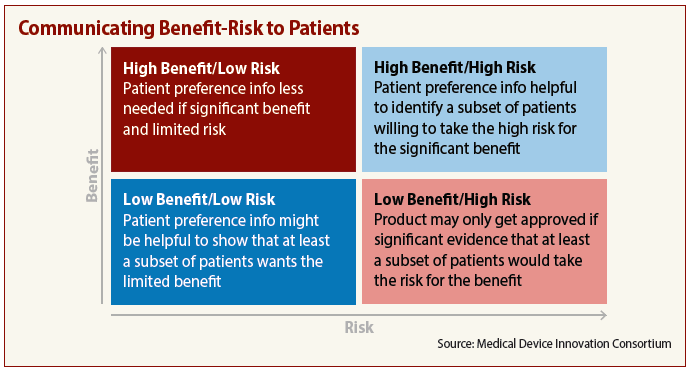
Trials with high benefit and low risk clearly are easiest to communicate to patients. At the other end of the scale, however, high-risk, low-benefit trials require an understanding of patients’ needs and attitudes.

The Medical Device Innovation Consortium’s (MDIC) recent Patient-Centered Benefit-Risk Project Report offers guidance on how to help patients make trial participation decisions and stresses that the key to clear communication is knowing how — and what — patients think.Communicating-Benefit-Risk-to-Patients

Factors to consider when designing patient communication, MDIC says, include the following:

  • Patients age 65 or older often need input from a trusted party, so it can be helpful to work with the doctors they know to explain what could happen in a trial;
  • Patients with a higher verbal aptitude understand benefit-risk analysis presented in words, but patients with higher graphic literacy better comprehend data presented in charts and graphs;
  • Patients with a lower ability to comprehend numbers do not benefit from being provided with more statistical information; instead translate concepts into visual aids;
  • When presenting uncertainty, use an estimate rather than a range and limit graphs to a single variable.

To help patients make decisions about trial participation, MDIC recommends giving them a decision-making tool that helps them examine their own needs and attitudes and explains trial risks and benefits in terms they can understand.

One example of such a tool, MDIC says, is a template developed by Ottawa Hospital in Canada. The hospital’s Patient Decision Aid (PtDA) helps patients decide between different courses of treatment or between choosing or declining to participate in a trial.

The PtDA lays out information patients need to understand, questions they need to consider – such as what other health factors could affect their choice – and an evaluation of the patient’s priorities that asks such questions as “How important is it to you to avoid side effects” and “How important to you is the benefit of this treatment/trial?”

The template also provides an example of how to explain benefits and risks of the trial in visual form.

The template then presents a checklist that patients can use to gather the key facts they need to make a decision, evaluate how comfortable they are with their decision and what steps to take next (e.g., discuss with my healthcare provider or family).

Preparing for Success: A Better Way to Manage the Feasibility Process

The site selection and feasibility process is really quite straightforward on paper. And yet it is astonishingly hard. Here are some numbers that prove the point:

  • 11 percent of sites selected never enroll a single patient;
  • Sponsors’ original timelines end up doubling to meet the desired goals (and nearly 80 percent of clinical trials fail to meet their timelines);
  • Operational costs of running a trial are an estimated $37,000 per day.

What these numbers tell us is that we’re simply not doing enough to get the right sites involved in the right trial.

Using a standard maturity model, we can evaluate our current status and identify what variables we need to focus on to achieve the desired result. For site feasibility evaluation, there are six variables to examine: data, process, technology, expertise, focus and engagement.

1*CHhCt0vJ7rIbGgSAc1tMYw

1. Data: to illuminate insights

The industry has no shortage of data. That is, quite literally, what our industry is about. But we don’t take full advantage of its power or even use it correctly in many cases. Folklorist Andrew Lang captured the perils of this quite well: “He uses statistics as a drunken man uses lampposts — for support rather than illumination.” Many businesses, even in our data-driven industry, use data to support their decisions instead of to drive their actions.

But data are really only valuable if you can translate them into actionable insights. And to do that, you must understand them.

2. Process: an account management feasibility approach

We can all agree that the current start-up process sponsors and CROs follow is flawed.

Each study is treated as an entirely new engagement, which creates unnecessary work and frustrates sites. Here’s just a small sample of common site complaints:

  • “I keep doing studies for a handful of sponsors; I need to expand my reach. How do I get on other sponsors’ lists?”
  • “Every time I engage with a new study, even for an existing sponsor, it’s like I’m working with a new team — the rules and processes keep changing.”
  • “Last month, I updated my FDA 1572 with new contact information and associated regulatory documents — don’t you have that?”

One alternative to this cumbersome process is to use an account management approach to site identification, breaking the process down to four steps:

  • Design a library of questionnaire templates and a list of investigators;
  • Build deep site relationships and treat them like customers;
  • Convert quickly and effectively; and
  • Activate sooner.

3. Technology for speed and automation

We’re entering the second decade of the 21st century. Site feasibility cannot be a manual or analog process. It demands sophisticated technology and, just as important, the right technology.

As with data, the industry has plenty of technology. What we need is technology that allows study teams to find and qualify the best set of investigators for a given trial. This boils down to the speed and automation of feasibility. It can be broken down into three areas:

  • Visibility and transparency throughout the process, including ease of tracking responders and non-responders;
  • Automation: follow-up thresholds and ranking of sites based on scoring algorithms; and
  • Simple and easy: pre-population of responses based on previously submitted surveys.

4. Expertise: an art and a science

There’s a tremendous amount of data and information that is getting funneled to our teams to help them with site identification, but who makes sense of it all? Expertise is the art of taking data from disparate sources and turning it into insights, and the science of using that expertise in developing better outcomes more quickly, efficiently and effectively.

When manually conducting site feasibility, there’s no transparency to the various stakeholders throughout the organization as to how the sites have actually responded.

In many cases, there are times when a site will provide an estimated number of patients it could contribute, but by the time the decisions are made as to whether that site should participate in the study or not, the numbers are pretty far off from the original timeline. In this example, you could ascertain that if the sites received an email with no prior notification from the study field team, they will either ignore it or the communication will go to their junk mail, or perhaps even be deleted.

But what if the study field teams let the sites know the feasibility questionnaire was coming and that the sponsor was interested in their participation in the upcoming study? With this strategy, there is a higher likelihood of response — in some cases a 73 percent increase in response.

5. Focus

During site selection and feasibility, there are at least a thousand tasks and activities that must be done concurrently. Success demands intense focus on everything from picking the best set of investigators to getting them to convert to your study as quickly as possible.

Feasibility cannot be just another item to check off on a task list, and it most certainly cannot be left to chance.

6. Engagement: building and sustaining relationships

If I had to choose one of these six variables as the most important, it would be this. It’s all about relationship building. The one-off transactional approach to feasibility no longer works — if it ever did.

When we talk about engagement and relationships, we’re talking about networking and building trust. Networking allows you to share knowledge and ideas, to provide opportunities and connections. Trust, of course, is an incredibly valuable business commodity and a reputational asset.

Engagement and relationships create results.

When you take the time to build genuine relationships with your sites, you get to know what they truly want and need from you. You gain knowledge and context, not just information. From there, it becomes possible to set goals and define expectations going forward. That can be something as simple as a pre-call to the sites that you’re interested in to give them a heads-up on your study rather than shooting off an email. When we pick up the phone to talk to potential investigators, we have an opportunity to discuss the really exciting portion of that study.

In a maturity model, once you assess the six variables, you plot your current and desired states and compare them to industry averages.

And that’s the roadmap to success. If this approach is used correctly, there are several expected, promising results:

  • Quick identification of high-performing investigators built intelligently via data and relationships;
  • Rapid responses to site feasibility questionnaires due to shortened surveys, leveraging relationships and better planning; and
  • Optimized processes that sponsors and CROs can deploy across all studies in their portfolio, not just one-by-one.

By Jill Johnston

Poll: Should Companies Be Allowed to Sue Other Companies to Prevent Generic Competition?

Recently, after running an article about Novo Nordisk’s lawsuit against generic drug maker Mylan, BioSpace ran a mini-poll, asking, “Should companies be allowed to sue other companies to prevent generic versions of drugs?”

The topic often rises to the top during discussions of how the government can force drug companies to reduce prices. History indicates that when a generic drug hits the market, competition can push their prices 80% below the brand price, sometimes even lower.

Many high-priced drugs, particularly biologics, have little or no competition. And drug companies have developed numerous strategies to protect their profitable branded drugs from competition, and one of them it to file lawsuits against generic drug companies to delay generic entry onto the market.

In the BioSpace poll, 55.17% of respondents said, Yes, companies should be allowed to sue competitors to prevent generic versions of their drugs, and 41.38% said no. A much smaller group, 3.45%, said they were unsure.

In the Novo Nordisk-Mylan case, the suit is an attempt to block Mylan from marketing a generic version of Novo Nordisk’s diabetes drug Victoza (liraglutide). Victoza was first approved in the U.S. in 2010 in adults with type 2 diabetes. On June 17, 2019, the U.S. Food and Drug Administration (FDA) approved Victoza injection to lower blood glucose levels along with diet and exercise in children and adolescents aged 10 to 17 years with type 2 diabetes. The drug is a glucagon-like peptide-1 (GLP-1) receptor agonist, the first to be approved for this age group.

In 2018, Victoza had U.S. sales of $2.7 billion, accounting for 16.2% of the company’s revenue. Patents expire in July 2021, December 2022, February and December 2023, November 2024, February 2026 and March 2033.

Each time a patent ends, generic drug companies attempt to market a copy of the drug for whatever indication is going to become up for grabs.

This assorted use of patents is common to the industry and legally appropriate. It can be something of a contentious issue on the part of Congress, however. In February 2019, seven pharmaceutical executives were grilled by the U.S. Senate Finance Committee over drug pricing.

AbbVie, which markets the best-selling drug in the world, Humira (adalimumab), is often brought up by critics when it comes to these patent protections, and the February hearing was no exception. It is protected by 130 patents. In 2018, sales for the drug hit almost $20 billion.

In the hearing, Senator John Cornyn (R-Texas) went after AbbVie, saying, “I support drug companies recovering a profit based on their research and development of innovative drugs. But at some point, that patent has to end, that exclusivity has to end, to be able to get it at a much cheaper cost.”

AbbVie’s chief executive officer Richard Gonzalez responded, “That patent portfolio evolved as we discovered and learned new things about Humira.”

For example, the primary patent, the composition-of-matter patent, expired in 2016. But as the company developed the drug for new diseases, it developed patent protection for those indications.

Not long afterwards, in March, the United Food and Commercial Workers Local 1500 (UFCW Local 1500) filed a class action lawsuit against AbbVie for allegedly using a group of patents to maintain a monopoly on Humira. The lawsuit also alleges that AbbVie and several of its biosimilar competitors colluded to split the Humira market between the U.S. and Europe.

UFCW Local 1500 is the largest grocery-worker union in New York State. The lawsuit was filed in U.S. District Court for the Northern District of Illinois.

The suit argues that the union membership and others in similar situations paid artificially high prices for the branded version of Humira, which deprived them of the benefits of significant competition from biosimilars, which are basically generic versions of biologic drugs.46747e72-d2fc-4298-a82e-c526faad0cd6

The complaint states, in part, that AbbVie’s patents are “designed solely to insulate Humira from any biosimilar competition in the U.S. for years to come.” It also argues that many of the patents are overlapping and noninventive and were filed as a way to prevent U.S. biosimilar competition by forcing protracted litigation.

The lawsuit also claims that AbbVie entered into “illegal market-division agreements,” according to The Center for Biosimilars, and seven other drug manufactures are co-defendants in the case. They are Amgen, Samsung Bioepis, Mylan, Sandoz, Fresenius Kabi, Pfizer, and Momenta.

The suit claims, “AbbVie has cooked up a monopoly scheme that has U.S. patients paying higher monopoly prices while patients in Europe benefit from competition.”

AbbVie holds approximately 130 patents for Humira. Because of a variety of deals and what the lawsuit dubs a “patent thicket,” the first biosimilar competitor won’t hit the U.S. market until 2023, which will be 20 years after the drug first launched.

Not content to just fight for the union workers, the lawsuit cites the entire U.S. healthcare system, stating, “AbbVie’s scheme to keep out biosimilar competition has cost the U.S. healthcare system billions of dollars. For example, Wells Fargo analyst Davis Maris calculated that AbbVie’s 9.7 percent price hike on Humira in 2018 cost the country’s healthcare system approximately $1.2 billion.”

Amgen, Bioepsis, Mylan and Pfizer have previously settled patent disputes with AbbVie over Humira. The complaint argues these settlements were “illegal market division agreements.”

There are four broad tactics the industry is using to battle biosimilar competition, according to Christine Simmons, executive director of the Biosimilars Council, a division of the Association for Accessible Medicines. They are:

  1. Gaming the FDA’s Risk Evaluation and Mitigation Strategies. Although designed to protect patients, she wrote in 2018, they “are increasingly used to restrict biosimilar makers from gaining access to samples of brand-name biologics needed for biosimilar development.”


  1. Patent expansion. Biopharma companies are filing more and more “non-innovative” patents on the drugs they want to protect, forcing biosimilar manufacturers to weave their way through a maze of patent lawsuits.
  1. Rebate traps. Simmons wrote, “Upon market entry of a competitive biosimilar, some brand manufacturers have threatened to remove the rebates they provide to payers unless the biosimilar is effectively excluded from the market.”


  1. Distorted marketing. Simmons indicated that some companies are disseminating misleading information or raising concerns about the safety and effectiveness of biosimilars, even though they must go through a stringent FDA testing and review program similar to those for new drugs. However, it has been pointed out that there may still be differences, because of the nature of biologic drugs—based as they are on living systems, they won’t be identical to the branded biologic drugs, but “similar.”

The Novo Nordisk-Mylan case and the AbbVie cases are only a few examples. If a biologic is a big seller, companies will take aim at biosimilars. AbbVie is the target for the most biosimilar competition. At least eight companies have settled lawsuits with AbbVie to wait to launch their biosimilars to the drug until 2023 in the U.S. AbbVie and Boehringer Ingelheim settled in May 2019. In Europe, at least four have already launched, and some discounts are as high as 80 percent in some of the Nordic markets.

Earlier this year, Genentech filed at least 18 lawsuits to prevent competitors from launching generic versions of Esbriet (pirfenidone) for idiopathic pulmonary fibrosis (IPF), a progressive, irreversible and ultimately fatal disease caused by scarring of the lungs, which eventually prevents the patient from breathing.

There is only one other drug approved for IPF, Boehringer-Ingelheim’s Ofev (nintedanib). Genentech’s wholesale price for Esbriet is $100,000 per year, and 2018 sales are expected to hit $1 billion. Ofev has a similar price, about $96,000 per year.

In December 2018, several generic drug companies filed abbreviated new drug applications (ANDA) for Esbriet. The San Francisco Business Times noted at the time, “Those companies aren’t required to go through the intensive, three-phase drug-development process that InterMune did as the original drug developer. (Esbriet was rejected by the FDA before a new clinical trial helped it win approval.) Instead, they can piggyback on the branded drug’s clinical data and can claim the branded drug’s patents are invalid, unenforceable or won’t be infringed by the generic.”

Biopharma companies are doing what companies are expected to do, particularly if they are public corporations—maximize profits. And part of that is to protect their best-selling drugs with whatever legal strategies they can come up with.

The public and payers, including government payers, of course, want the same highly effective, innovative drugs to be available at as low a cost as possible while still allowing companies to be profitable enough to develop and manufacture more cutting-edge drugs.

In that respect, there’s a definite philosophical tension built into the system that can be extremely frustrating for both groups. Patent battles are only one aspect of how biopharma companies approach their goals, while lawmakers, despite their complaints about this, are cautious about undermining the patent system that is part of the U.S. and world’s economic infrastructure important to protecting intellectual property and stimulating innovation.

Cognizant to lay off nearly 800 employees in healthcare, life sciences: ET report

Most of the layoffs may reportedly be from Cognizant’s subsidiary Trizetto’s office in Pune, which it acquired four years ago.Cognizant_Picxy

Cognizant Technology Solutions (CTS) is said to be pruning its staff strength in some verticals such as healthcare and life sciences. The number of people being asked to leave may touch around 800, as per a Times of India report. A large part of these employees maybe from a centre in Pune where Cognizant has a subsidiary Trizetto.

This is a company that Cognizant had acquired in 2015 and it specializes in developing software for the healthcare sector. Reports suggest there are some 1500 employees in this offshore centre in Pune and a bulk of the staff now being downsized will be from here. Many of these employees have already been sounded out by the HR department on what’s coming.

Cognizant has not confirmed the development except to state that it continues to enjoy a strong hold on the healthcare segment as far as providing IT solutions are concerned. The company has a strength of 30,000 in this division. 

Explaining the rationale behind this decision, analysts told ET that beginning the second quarter of 2017, the business has been declining. While it was growing between 9.5% and almost 12%, it touched a low of 4.6% in the quarter ending March this year and further to 3.1% in the last quarter that ended in June. It is said some regulatory measures in the US and other external and internal issues have contributed to this lower growth rates in the past few quarters.

Some indications had come from the CEO Brian Humphries during the earnings call where he had said the healthcare business will be closely looked into and turned around since it is an important part of Cognizant’s business. “Prized Asset” were the terms used by the CEO for the healthcare division. The company made changes at the top level of the healthcare business bringing in Jeff Heenan-Jalil from Wipro. Jalil was handling healthcare in Wipro.

Independent experts feel this current move by Cognizant to downsize its headcount in the healthcare business is a good one and will pay off in the long run.

Visit Us On TwitterVisit Us On Google PlusVisit Us On LinkedinVisit Us On Facebook