Will Government Incentives Help Boost Antibiotic Development? Some Pharma Companies Think So

Over and over there are reports about the increasing rise of antibiotic-resistant bugs. Even as the number of resistant bacteria increases, the number of companies developing new types of antibiotics is decreasing.

cd7e96f6-f80c-4dda-80f5-9eb819bc07d6

Earlier this year, a coalition of healthcare organizations, along with U.S. antibiotic developers, issued a letter to Congress calling for a bundle of economic incentives that would be used to kick start the stagnant pipelines of antibiotic drug developers. In the letter, the 26 signees, which includes companies like Merck, GlaxoSmithKline and Pfizer, express concern over the continued rise of antibiotic-resistant bacteria.

“Antibiotics underpin modern medicine, and antibiotic resistance jeopardizes the entire health system… New resistance threats continuously emerge, rendering many existing drugs ineffective and shrinking our treatment arsenal,” the letter says.

Last year, the World Health Organization’s Global Antimicrobial Surveillance System (GLASS), found widespread antibiotic resistance among 500,000 people with suspected bacterial infections in 22 countries. According to the U.S. Centers for Disease Control and Prevention (CDC), each year in the United States, about two million people develop an antibiotic-resistant infection. Of those, approximately 23,000 people die. There are some estimates that by 2030, up to 10 million people across the globe will die annually due to these superbugs.

The letter goes on to point out to the small number of antibiotic medications in development that have the potential to impact the most critical Gram-negative pathogens on the World Health Organization’s priority list of antibiotic-resistant pathogens. While the threat of these pathogens is real, the companies and letter signees, note that the struggle to develop antibiotics is largely due to the retail end of the equation. Most large pharma companies have abandoned antibiotic development due to the commercial challenges, they noted. The letter signers said antibiotics to treat these resistant infections are not only difficult to develop, but the “opportunities to recoup development costs and to make a return on investment are limited by the fact that, unlike many other types of drugs, antibiotics are generally used for a short duration.”

As an illustration of the financial issues, one of the companies that signed the letter, South San Francisco-based Achaogen filed for bankruptcy last month. Achaogen has been struggling financially despite securing regulatory approval for Zemdri (plazomicin) last year. Zemdri was approved in September as a treatment of complicated urinary tract infections that are caused by certain Enterobacteriaceae.

While Congress has enacted a number of programs in recent years to support the development of antibiotics, the drugmakers and other signers said the financing from those efforts is not sufficient. The group called for a post-approval pull-incentive package from Congress. Financial incentives would be paid to companies following antibiotic approval from the U.S. Food and Drug Administration in order to provide financial predictability for drug developers.

Since that letter was submitted to Congress in February, others have taken up the call for the government to create new incentives. Most recently, several speakers at the Milken Institute Global Conference took up the call for these incentives. Amitabh Chandra, director of health policy research at the Harvard Kennedy School of Government, told STAT News that the key to the issue will likely become a form of incentivization for the pharma industry. Such incentives could include additional years of exclusivity for a new antibiotic for a disease, Chandra said. In order to spur the development of these needed antibiotics, the speakers at the conference said the solution will undoubtedly be a public-private partnership of some kind, STAT reported.

Even as many of the larger companies have moved away from antibiotic development to focus on more lucrative products, such as in oncology, smaller companies have attempted to move into the space. Last fall, Qpex Biopharma, a company spun-out of The Medicines Company, launchedwith a focus on the development of anti-infective assets. The new company launched nearly one year after The Medicines Company announced the sale of its infectious disease business unitto Melinta Therapeutics.

Not only are there concerns about antibiotic-resistant bacteria, but there are also concerns about certain fungal infections that are resistant. Several companies, such as New Jersey-based SCYNEXIS and San Diego-based Cidara Therapeutics are in the thick of the fight to develop treatments for these concerns as well.


Equipping Small Sites to Manage Trial Finances: Challenges and Solutions

A sponsor chooses a site based on its ability to conduct the research, not on its financial management skills. But poor money management can sink a trial regardless of how well the site conducts the research.

Unknown

In today’s budget-conscious environment, sponsors often contract with small- to medium-size sites that may not have the resources or expertise to effectively manage finances. And unless they provide their sites with the necessary support up front, chances are good that the sites will be overwhelmed.

“You’re asking someone who is doing a thousand other things [and] who might not have all of the accounting skills necessary, and you’re placing all of that responsibility on them,” says Christina Kahn, Senior Director, Site Alliance Management at Frenova Renal Research. “What happens is that thousands and thousands of dollars go unpaid,” Kahn says.

Most investigators in small- and medium-size sites don’t have the budget they need to hire support staff, including staff with expertise in accounting, points out April Mulroney, Senior Vice President of Accounting and Chief Data Officer at WCG Clinical. “Sites’ strong point is not accounting and finance but the research itself,” Mulroney explains.

Sponsors and CROs don’t always make it easy for sites, she says. “Sponsors don’t always provide the transparency on what payments are for, and sites will receive checks from the sponsor with a lump sum that often doesn’t reference the study or the reference period.”

Additionally, the fact that many sponsors wait 90 days or longer to reimburse sites can place researchers in a bind. “The financial burden this puts on sites is notable, since they’re having to pay their staff, their rent and their electricity all up front,” Mulroney notes. “In a sense, sites are fronting the industry on clinical research. It costs approximately $40,000 just to initiate a site, so if you’re not paying them on time, you’re not enabling them to succeed.” As a result, many sites drop out of clinical trial research.

“Payments to sites from sponsors can be unpredictable depending on the frequency of visits, frequency of source data verification from monitors and terms stipulated in the site’s contract,” says Greg Manning, Business Operations Manager at Suncoast Clinical Research. “If a site’s ability to operate is dependent on predictable revenue, then the site will need to build up a large operating balance in order to navigate through the leaner payment periods,” Manning says.

While a standard “recipe” for managing an organized clinical trial that hits its financial marks may be helpful, clinical trials vary in complexity and budget requirements. Standards must be tailored to the individual trial; however, studies often perform well when a finalized per-patient budget is established.

The per-patient budget, according to Manning, should align with electronic data capture (EDC) to produce payment. “You also need a mechanism to track revenue from visits, items that require invoices, and payments to patients, providers and vendors,” Manning adds. “This mechanism could be the source document or a visit checklist that is provided to accounting personnel.”

Clearing up payment worries also can increase sites’ research effectiveness, Mulroney says.

“Sites would be more focused on research if they didn’t have to spend hours trying to reconcile payments and figure out how much they’re owed,” she says. “They’re diverting their attention and their limited hours on areas that are not actually their sweet spot. Making payments timely is the number-one factor a site will consider when choosing which studies to initiate.”

Accounting technology also may help, Mulroney adds, yet investment in these technologies is tremendously low. “You would be shocked to see how many sponsors and CROs run their accounts payables to sites in an Excel spreadsheet,” she says. “The systems in place don’t talk to each other.” Some of the key systems that need to talk with each other, Mulroney adds, are the EDC, the system that generates the dollar amount that’s been contributed to the site, and a link into the banking system so payments can be made electronically and seamlessly.

Mulroney believes automation of accounts can be helpful, too. “A clinical trial management system should be integrated into [a site’s] activity system so that they’re auto-generating their receivables,” she says. “The whole process needs to be automated in addition to having a member or team that has expertise in accounting.”

According to David Scott, President & CEO of Palm Beach Research, if all sites adhered to strict financial and organizational standards, there would be greater growth of clinical trials because sites would be motivated to continue to pursue research. “Sites would be more equipped to financially survive,” Scott says. “Sites would also recruit more patients at a faster rate, and studies would turn over quicker. Research would only be limited by how quickly new treatment protocols are created by the scientists behind the pharmaceutical companies, not the failures of poorly prepared research organizations.”

“If all sites would efficiently manage their clinical trials by negotiating for fair and stronger budgets,” Manning says, “managing invoices and being transparent, then the industry could move to a more templated system where budgets represent a true fair market value from the beginning.”

“Sites would be reimbursed more efficiently and automatically, which would keep the focus on patient safety and protocol adherence without the need for complicated financial tracking.”


-By Brandon May

Does joining a clinical trial make you a guinea pig?

Clinical trials are carefully designed and monitored for research studies to test drugs, devices or procedures to find out if they are safe and effective before they can be approved for marketing and general public use.


1-11276

Without a clinical trial, no new medicine or therapy can be approved for use and launched in the market. However, joining a clinical trial does not make one a guinea pig.

Each clinical trial uses specific criteria to determine if volunteers are eligible to participate. These criteria include specific factors, such as age, type of disease, medical history and current health. Depending on the study, participants may be healthy individuals or those with the particular illness being studied. Well-defined inclusion and exclusion criteria are put in place for every clinical trial to ensure that only eligible participants are chosen for the study.

Also, the participants in all phases of a clinical trial receive free medical consultation and medical care. Indian Good Clinical Practices Guidelines clearly state that payments should not be so large or the medical services so extensive so as to act as an inducement for a patient to take part in a study against their better judgement. All payments, reimbursement and medical services are approved by the Institutional Ethics Committee.

The goal of clinical research is to bring superior and life-saving medicines, new devices and medical technologies to patients in need. Safety of the study participants is the most critical component of clinical trials, and that is why there are laws, regulations and processes in place to protect trial volunteers at every step. Nations around the world establish and enforce rules for the ethical conduct of clinical research which ensures that patient safety is made a priority.

Patient safety is of utmost importance in any clinical trial. Clinical study protocols are developed to ensure that risks to study participants are minimized. These protocols are carefully reviewed by an Institutional Ethics Committee as well as country regulatory authority (Drugs Controller General of India) before a clinical trial can start.


– Indian Society for Clinical Research

Siro Clinpharm undergoes a brand refresh

Siro Clinpharm has announced a refresh of its core brand elements. Reflecting the growth and evolution of Siro as India’s leading CRO (Clinical research organisation), the brand elevates the focus on dependability, progressiveness, being scientific, and best in industry.

Siro_purpleonwhite

This brand refresh syncs with the next phase of Siro’s evolution. In this phase, Siro will focus on doubling the India team to 500 resources in three years, establish a strong operational presence in the US and invest heavily in technology and automation.

The new bold and vibrant logo in purple and lime green embodies the characteristics of the company’s committed team of employees. The colour is mainly used to convey credibility and evoke associations of quality, strength and steady determination. The logo employs an eye which symbolises an eye for detail, and an eye for humanity, resulting in the endeavour to achieve the highest standards in quality.

Akshay Daftary, Director, Siro Clinpharm said “We are excited for the brand refresh the company has undergone. Our refreshed logo and streamlined brand architecture convey the continuing evolution and growth of our business, and proudly display the characteristics we want to communicate to our stakeholders about our brands.

Paying for Trial Participation: A Question of Incentive v. Influence

When it comes to offering to pay clinical trial subjects to participate, the line between compensation and coercion is difficult to draw but all too easy to cross.


images

Reimbursing participants for expenses incurred — travel, lodging, childcare — is a standard practice and clearly approved by the FDA. But the agency’s stand on incentive payments is not as clear, aside from a cautionary note in its Payment and Reimbursement to Research Subjects information sheet that advises IRBs to consider whether “proposed payment for participation could present an undue influence, thus interfering with the potential subjects’ ability to give voluntary informed consent.”

But one IRB expert says the consideration of influence as opposed to incentive should begin with the research team.

“Research teams have an obligation to implement an effective consent process, which includes ensuring that there are no undue inducements introduced into the process,” says David Borasky, vice president of IRB compliance for WIRB-Copernicus Group.

“When an IRB reviews a proposed study, it is only able to consider the population of potential subjects in the aggregate. The IRB cannot know how every potential participant might react to an incentive, and so it must approve research where the potential for an undue inducement has been minimized and rely on the research team to conduct an appropriate consent process.”

“I am not sure why it should be the IRB’s role to determine how individuals may want to use their time in order to receive a financial incentive, or why an IRB would believe it is in the best position to understand the impact at the level of the individual.”

Still, most IRBs are cautious about payments and may reject or reduce those that are “out of the norm.” The FDA advises IRBs to review both the amount of the incentive payment and the proposed method and timing of disbursement to assure that neither are coercive or present undue influence. For instance, payment should not be contingent on a participant’s completion of the trial. “Any credit for payment should accrue as the study progresses and not be contingent upon the subject completing the entire study,” the agency says.

But too much IRB involvement in setting payment amounts can hinder a trial. “There is nothing wrong with mere influence and demonstrating respect for persons by allowing individuals to decide for themselves,” Borasky says. “In fact, one could argue that if an IRB chooses to require a lower incentive, it is then making it impossible for a segment of the population to participate, because participation for some is not feasible without the presence of a financial incentive.”

“I don’t think there’s any doubt that lower-income individuals may be more attracted by a financial incentive compared to someone from a higher income bracket, but that does not mean it is automatically an undue influence,” he continued.

Paying for participation can also level the field among such disparate groups, says Susan Groth, associate professor at the University of Rochester School of Nursing.

“Use of financial incentives can enhance enrollment without undue coercion of any particular population and can serve as a means to equalize study participation,” says Groth, who served as a co-investigator on an NIH-funded study that explored the use of electronic technology to promote healthy pregnancies among women.

But the question of “reasonable” financial incentive can be challenging. Thinking in terms of risk in addition to time and effort, she explains, helps illustrate the difference between payment for services and compensation for a personal contribution. It’s important to demonstrate respect for what participants give — or give up — to take part in a clinical trial.

Packaging Trends and the Future of the Generics Market in India

Around the world, the pharmaceutical market is rapidly evolving, driven by greater access to medicines, an increased focus on patient needs and the emergence of innovative therapies for chronic conditions such as diabetes, multiple sclerosis and rheumatoid arthritis.

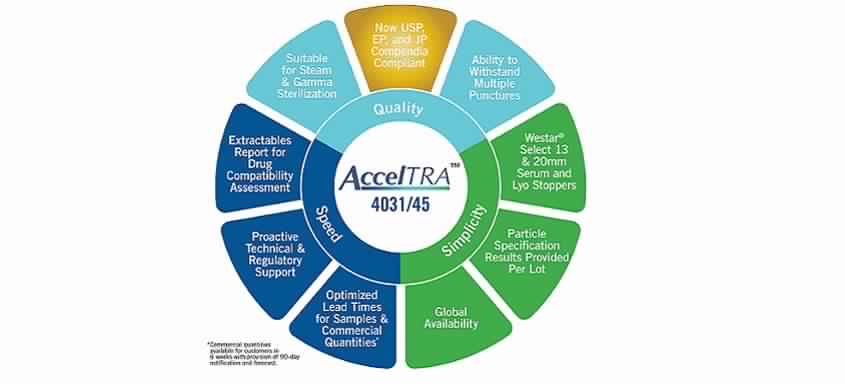
AccelTRA_Gold

Industry analyst firm QuintilesIMS predicts that global medicine spending will grow 4-7% and reach nearly $1.5 trillion by 2021. India will play an important role in this phenomenon, especially as access to healthcare increases and global and domestic drug manufacturers expand their footprint in the country. As such, India is expected to be one of the top 10 pharmaceutical markets by 2021.1

Alongside this growth, there is increasing demand for high-quality packaging components across the pharmaceutical, biotechnology and generics markets as drug makers look to pair their injectable drugs with container/closure and delivery systems that can help ensure speed to market and competitive differentiation.

In India and globally there are a number of trends driving the need for innovation and quality in injectable drug packaging and delivery. These include:

Growth of Generics–The generics segment is experiencing dynamic growth in India and the Asia Pacific region. According to a 2016 study, the global generics market is expected to experience a 10.53 percent compounded annual growth rate (CAGR) from 2016-2020, with the value of drugs coming off expired patents equaling $150 billion by 2020. IMS Health foundthat more than 90 percent of dispensed medicine will be generic by 2020.

One of the biggest challenges faced by generics manufacturers is ensuring speed to market. Generics makers offer low-cost options for patients and provide needed medications when critical drugs are in short supply. But to lead in today’s generic drug environment, manufacturers need to file drug applications quickly, as well as respond to unforecasted market demand. Once a medicine is manufactured, it’s important to get it to market, and to patients, quickly without compromising quality or reliability. Pairing an injectable generic with quality packaging components that can be quickly and efficiently produced can aid in reducing the time to market and help enable generics manufacturers to stay competitive.

Biologics and Biosimilars on the Rise–Over the past several years, the industry has seen a steady rise in new biologic drugs coming onto the market for the treatment of many chronic conditions. As these drugs come off patent, India has the potential to become a major player in biosimilars manufacturing. These therapies often have very specialized containment needs. They can be sensitive to certain materials used in injectable drug packaging and delivery systems, such as silicone oil or tungsten. Concerns around possible interactions between biologics and the materials used in container/closure systems are driving the need for packaging that minimizes the adverse impact on injectable drug

products. Many manufacturers are adopting packaging components produced from novel materials, such as cyclic olefin polymer containment and delivery systems, as high-performance offerings designed to help maintain drug safety, purity and efficacy.

Increasing Demand for At-Home Administration and Combination Products–Self-administration and biologics have increased the popularity of combination products, such as wearable auto-injector systems and self-injection systems used for the management of chronic diseases. These new developments in wearable drug delivery technology are helping to provide a safe, reliable and effective method for home-based drug administration, which more and more patients are desiring.

Patients have different reasons for wanting home-based drug administration. For some, it’s about convenience. Others do not want to inject themselves with medications, or their conditions make it difficult for them to do so. Additionally, for some injectable medicines with higher-volume doses, it can be hard to administer the drug consistently via a prefilled syringe. Furthermore, some drugs – including many new biologics –require large volumes of viscous solutions, making a single-dose option difficult or impossible.

While patient-controlled self-injections systems and wearable injectors both offer tremendous opportunity for advancing at-home administration, developing these new systems can pose a significant challenge for pharmaceutical manufacturers: how to design a wearable injector that patients not only can use, but also want to use. To meet this challenge the makers of injectable medicines must fully understand and incorporate the needs of end users when bringing a self-injected therapy to market. This requires giving careful thought to how a medication will be administered by patients in order to ensure optimal patient outcomes. As such, the design of an injectable medicine’s delivery system is fast becoming an essential aspect of the manufacturer’s go-to-market strategy for a drug.

Auto-injectors, wearables and other new systems will only increase the already budding demand for combination products in the coming years as companies in India and Asia Pacific create them for local use and for export to the rest of the world.

Regulatory Focus on Quality –Driven by concerns for patient safety, regulatory agencies are asking drug and packaging manufacturers to build quality into their products from the start to ensure consistent quality throughout a drug product’s lifecycle. Quality by Design (QbD) is,therefore, growing in importance in the pharmaceutical industry. A QbD approach to packaging design and manufacturing delivers an improved, data-driven output that can lead to a superior product. Utilizing a QbD approach can also help to minimize disruptions to the supply chain. By incorporating QbD principles into the development of packaging,drug manufacturers can be confident that the products they provide to patients are contained with packaging of the highest quality.

The regulatory requirements are increasing for generics as well. For example, as more Indian biopharmaceutical generic manufacturers are trying to market their drugs globally, they will need to comply with evolving regulations such as the U.S. FDA’s Generic Drug User Fee Amendments (GDUFA), which was updated in 2017.

Because of their smaller operating budgets, generics manufacturers are looking to leverage existing delivery system components and combination products. This can be challenging given that in many cases, the original combination product for an injectable biologic drug is custom-made and there may be exclusivity with a delivery system manufacturer.

Summary
There is continued focus across the pharmaceutical, biotechnology and generics industries on ensuring that drugs are brought to market and delivered to patients safely, efficiently and reliably. Pairing injectable drug products with innovative, high-quality packaging components and delivery systems is key to helping drug manufacturers address these trends and stand out in an increasingly crowded marketplace. Early collaboration between drug manufacturers and their packaging partners is critical to ensure optimal speed to market, effective drug delivery and, most important of all, enhanced outcomes for patients.

Novotech CRO strengthens South Korean Clinical Capabilities partnering with 2 Major Hospitals

Ulsan University Hospital (UHH) and Seoul National University Hospital (SNUH), Hepatology Division have joined the Novotech CRO partnership program

SYDNEY, Apr 18, 2019 – (ACN Newswire) – Novotech, the award-winning Asia-Pacific CRO with 23 years of experience in the region, has further strengthened its presence in South Korea with two major hospitals joining the Novotech partnership program – bringing more quality investigators, KOLs, and up to 4 million patients.

The 900 bed Ulsan University Hospital (UUH), and the Hepatology Division in Gastroenterology, Department of Internal Medicine at the 1,778 bed Seoul National University Hospital (SNUH), have joined the Novotech CRO partnership program, further strengthening Novotech’s clinical service capabilities in South Korea.

South Korea is a fast-growing destination for clinical studies with quality infrastructure, world-class medical and hospital facilities, and supportive rapid start-up regulations. South Korea was Asia’s most active country in clinical research after China last year, with over 400 sites opened by biopharma companies.

Novotech is well established in Asia with offices in 11 countries and more than 550 staff, while 19 leading hospitals and medical facilities across the region have now joined the Novotech CRO clinical partnership program.

Novotech CEO Dr John Moller said biotech clients were increasingly running Phase I studies in Australia, benefiting from the 41% R&D tax credit, then moving to Asia for subsequent trials. “Having the same company that understands the study as it transitions into Asia is always reassuring for clients. Novotech uses the latest Oracle and Medidata technology, so seamlessly connects with global clinical partners.”

About Novotech – https://novotech-cro.com/welcome
Headquartered in Sydney, Novotech is internationally recognized as the leading regional full-service contract research organization (CRO). With a focus on clinical monitoring, Novotech has been instrumental in the success of hundreds of Phase I – IV clinical trials across the Asia Pacific region.

Novotech provides clinical development services across all clinical trial phases and therapeutic areas including: feasibility assessments; ethics committee and regulatory submissions, data management, statistical analysis, medical monitoring, safety services, central lab services, report write-up to ICH requirements, project and vendor management.

Development of biologics: The market requires short development times and high productivity

Biologics offer new therapy options for numerous diseases: They are already used to treat cancer and autoimmune diseases such as rheumatoid arthritis as useful alternatives to standard therapies.


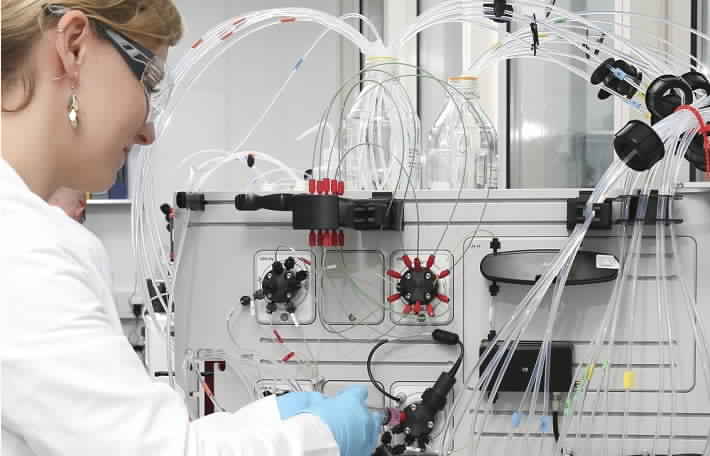
Development_-biologics

The extent of their market potential is revealed by the fact that the number of patent applications has been on the rise for decades now. However, the route from the lab to mass production is much more complicated for biologics than for conventional drugs. The desired biomolecules (biologics) are manufactured using living systems, consequently a careful development and selection process of the cell line to be used, as well as thorough checks, are absolutely essential in order to ensure straightforward production later.

For this reason, contract developer UGA Biopharma GmbH has developed a high-speed cell line development workflow including analytics, purification and bioprocess development in bioreactors. Using an optimised expression vector means that highly productive clones can be generated. In this way, monoclonal and highly productive cell lines can be developed within just four months, and an optimised bioprocess within a further three.

Traditionally, drugs used in chemotherapy or antibiotics were produced using chemical synthesis. By contrast, biologics are manufactured using genetically modified, living cells in bioreactors. Many factors can significantly influence the quality of biologics manufactured in this way, including process conditions during manufacturing, such as temperature during fermentation, pH, dissolved oxygen concentration and nutrient supply and, of course, the cell line used. If the cell line is contaminated or the isolated monoclonal cell lines (clones) are unstable, the drug may end up being unusable – with correspondingly high financial losses for the manufacturer.

For this reason, UGA Biopharma GmbH pays particularly close attention to the productivity, stability and quality of the clones when developing new cell lines. As a result of its specially optimised processes and many years of experience, the company only requires seven months for the development of a cell line, including bioprocess development and the development of a purification process, in addition to providing of all necessary analytical data.

From concept to production cell line
UGA Biopharma’s work starts with a biomolecule: “If a biomolecule with a potential therapeutic effect is identified during the course of research at a university or a company, this may be an interesting discovery but it is still a long way from becoming a product. Often, research institutions and companies do not have the necessary expertise or capacities to quickly turn interesting discoveries into biotherapeutic products, or biologics,” explains Dr Lars Kober, Managing Director of UGA Biopharma GmbH. “This is where contract developers like us come in: We develop highly productive cell lines which are able to produce the desired biologics with high yields.” To do this, the molecule first needs to be characterised in order to determine the desired quality attributes and the gene of interest (GOI), which will then be transferred into the company’s own expression vector. “In recent years, we have optimised the expression vector and cell line generation work flow to such an extent that we are able to create highly productive stable production cell lines within a very short period of time, achieving product concentrations of up to 7 g/L,” Kober adds.

In recent years, a Chinese hamster ovary (CHO) cell has proven particularly well suited. During cell line development, the expression vector is introduced into this CHO cell, creating a mixture of cells with different characteristics. Using single-cell cloning, highly productive monoclonal cell lines (clones) can then be isolated, cultivated and used to create cell banks for long-term storage at 196°C.

Searching for a suitable clone
“Generally speaking, pharmaceutical companies have many requirements of the isolated cell lines, such as scalability, monoclonality and, of course, high productivity and clone stability,” Kober explains. “In addition, the biologics should neither trigger immunogenic reactions in patients nor should the production cell lines be contaminated with viruses or mycoplasma.” For this reason, the company acts in accordance with the requirements of the European Medicines Agency (EMA), which is responsible for the evaluation and monitoring of drugs. During the development process, the company also conducts glycan analyses in order to obtain useful information about the selection of promising clones early on in the process.

The isolated clones are then expanded in the next step: “Usually, therefore cells are cultivated at lab-scale in shake flasks. Many contract developers leave it at that.” However, in order to guarantee the scalability of the cell lines, the laboratory staff then carry out a process transfer into bioreactors and derive a suitable bioprocess from this.

“But even the ‘best’ cell line is of no use to the pharmaceutical company if it cannot be cultivated and the manufactured biological drug cannot be purified,” Kober notes. As a result, UGA Biopharma does not restrict itself to the optimisation of the manufacturing process in bioreactors. Furthermore, the right purification process is also developed and the potency of the purified biologics is tested via various binding assays and in different cell culture models. If necessary, an optimised cell culture medium can also be provided for the cell lines and the developed manufacturing process. Normally the company’s own culture medium, First CHOice, is used, which was developed by UGA Biopharma. With the aid of this medium and the relevant feeds, both the product concentration and thus the cost of goods achieved in the final manufacturing process, as well as the product quality of the manufactured biologics, can be influenced advantageously.

Short development time is a prerequisite
In total, it only takes seven months until the developed cell line can be supplied: four months are required for the cell line development and three for the bioprocess development, the development of the purification process and for analyses to be carried out. “Short development times are essential in the pharmaceutical industry because patent protection for pharmaceuticals generally expires after 20 years,” Kober emphasises. “In this time, all phases of the technological development, various clinical trials including the marketing authorisation procedure has to be completed as quickly as possible because the profit margins for the drugs developed generally drop sharply once the patent protection has expired. Every month counts here because short development times facilitate early market entry and thus the profit is secured before the patent expires.”

Once development is complete, the company supports its customers where necessary with the process transfer to the manufacturing facility and is always on hand if there are any problems. “It is our aim for all biologics to be manufactured to the same level of quality at their designated destination as they are in our laboratory. This not only includes a stable monoclonal cell line but also the First CHOice cell culture medium and the manufacturing and purification process,” Kober confirms.

UGA Biopharma GmbH was founded in Henningsdorf near Berlin in 2009. The company’s core area of business is the contract development of biologics and biosimilars. This involves all the necessary steps from cell line development and bioprocess development to the development of purification processes and analytics. Furthermore, high-performance cell culture media and feeds are supplied under the trade name First CHOice in order to optimise the quality and product concentration of biologics and biosimilars. If necessary, the company can support its customers in transferring the manufacturing process to their production facility. UGA Biopharma’s unique selling feature is also that it offers its customers what are known as ready-to-use biosimilar cell lines. The company supplies its customers in Germany and abroad from its headquarters in Henningsdorf and already has several users with UGA products in clinical trials or who have already received a market approval.

Pharm-Olam Wins 2019 CRO Leadership Awards

Pharm-Olam, a global, midsized CRO offering full-service clinical development solutions for oncology, infectious diseases and vaccines, and rare and orphan diseases, has been named a winner in Life Science Leader magazine’s 2019 CRO Leadership Awards.

Pharm-Olam-Logo

Pharm-Olam was rated highly by small pharma survey respondents, as well as all survey respondents combined, for delivering excellent clinical research services in Compatibility, Quality, and Reliability core award categories.

“Our team works very hard to earn our reputation for quality performance and nimble, expert service,” said David L. Grange, CEO, Pharm-Olam. “Not only do we hold ourselves accountable for study conduct, but also for study site and vendor performance. Sponsors have come to rely on us for the extra attention to detail that leads to successful trials.”

Life Science Leader’s annual CRO Leadership Awards are based on actual customer feedback. They are intended to help clinical researchers decide which outsource partners to work with. “We share our clients’ commitment to creating a healthier world through research,” said Grange. “And as these awards show, customers appreciate our high standards, particularly in the context of challenging international trials.”

This year, the magazine again worked with Industry Standard Research to perform the CRO Quality Benchmarking Survey. Sixty CROs were assessed on more than 20 performance metrics. Survey participants were decision-makers recruited from pharma and biopharma companies of all sizes. Respondents only evaluated companies they’d worked on an outsourced project with in the past 18 months.

CROs may win these awards in up to three groups of outsourcing respondents — big pharma, small pharma, and overall (big and small pharma combined). Core award categories include Capabilities, Compatibility, Expertise, Phase IV, Quality, and Reliability.

For more information on Pharm-Olam’s full-service global support for Phase I-IV clinical trials, visit Pharm-Olam.com

About Pharm-Olam
Pharm-Olam is Helping Create a Healthier World as a global, midsized CRO that offers flexible, innovative and highly personalized clinical solutions to pharmaceutical, biotechnology and life science companies. Our team is well-known for producing quality results with reduced risk, costs and timelines in challenging international trials. Learn more about our full-service solutions, data protection services and expertise in oncology, infectious diseases and vaccines, rare and orphan diseases, pediatrics and general medicine at pharm-olam.com.

Top Academic Centers Flouting Trial Reporting Requirements, Report Shows

Top U.S. academic centers are routinely ignoring federal rules requiring them to report clinical trial data, a new analysis by a pair of nonprofit advocacy groups finds.

Nearly one-third of the 450 university-based trials surveyed by Universities Allied for Essential Medicines (UAEM) and TranspariMED failed to report trial results within the 12-month window federal law allows.

“Only 15 out of the 40 universities assessed are in full compliance with U.S. trial disclosure law, while 25 universities are in violation of the law,” the groups say in a report issued last week.

There is gray area in the federal rules that require some, but not all, clinical trials to post results to the database ClinicalTrials.gov within a year of wrapping a trial. But the WHO has said that prompt reporting is a best practice. Failure to do so “is not a victimless crime,” UAEM and TranspariMED say in their report. “It has substantial negative consequences for patients, public health and access to medicines.”

In the UK, similar findings about unreported clinical trial data has led to parliamentary inquiries and even threats to drag university leaders before legislators to account for themselves. In addition to the U.S. and UK, European Union guidelines require drugmakers to post clinical trial data for any products registered with the EU.

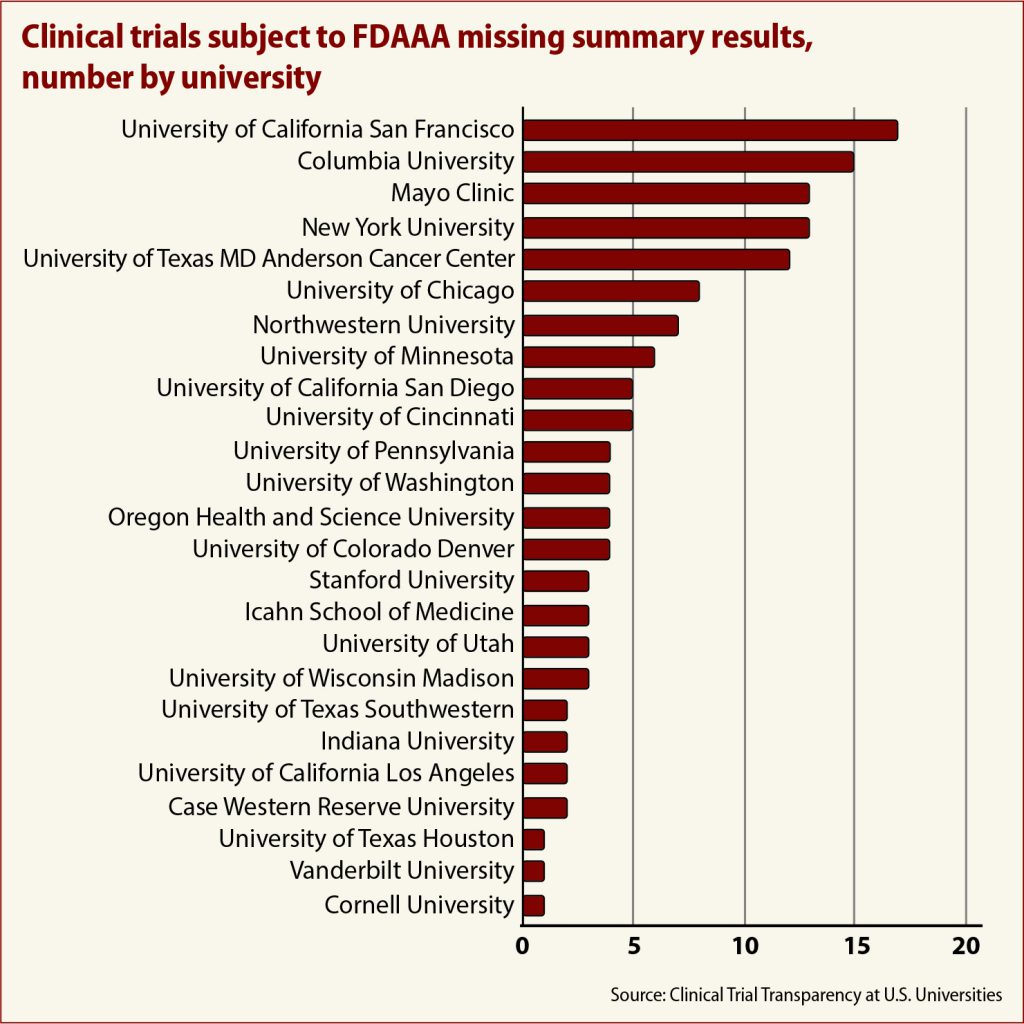
The report’s naughty list includes some of the world’s most prestigious U.S. academic research institutions — MD Anderson Cancer Center left 23 percent of its trials unreported in 2017, the Mayo Clinic owed data on 58 percent of its trials, the University of California-San Francisco owed data on 63 percent of its trials and Columbia University owed 83 percent of its data, the report states.cww2313_Univer-1024x1024

Those four academic centers, plus the University of Chicago, accounted for half of the unreported trial results, Essential Medicines and TranspariMED say.

Adil Bharucha, director of Mayo’s clinical trials, said the clinic is “currently reviewing” its case files “and will do whatever is necessary to close the loop.”

“Mayo Clinic makes every effort to be compliant with FDA clinical trial transparency requirements. We recognize the importance of sharing results with our patients and public and take this seriously,” Bharucha said.

The report also makes note of universities that have “put significant effort” into catching up with their reporting obligations, including Indiana University, University of North Carolina-Chapel Hill, University of Rochester, University of Pittsburgh and Yale, which all have cleared more than 85 percent of their backlogs as of February 2019.

To keep track of their data tracking responsibilities in the future, UAEM and TranspariMED recommend universities accept and implement the WHO standards for data transparency and commit to posting results within 12 months of trial completion for all trials, not just those required by U.S. law.

Read the group’s report here: https://bit.ly/2U33KWh.

Visit Us On TwitterVisit Us On Google PlusVisit Us On LinkedinVisit Us On Facebook