Risk-Based Monitoring: Widespread Implementation is Underway, but Still Messy

The industry has been abuzz about risk-based monitoring (RBM) for much of the last decade, with the FDA indicating that it would like to see more sponsors give it a try.

But in practice, many companies are only just beginning to fully grasp the ramifications of skewing away from having monitors go to sites every six weeks or so to check all data, and moving toward more centralized electronic monitoring of patient data based on triggers that show there may be problems at the site.

That was the thrust of the DIA session The Risk Assessment is Done: Now What? A Guide to Setting Up a Centralized Monitoring Plan.

“Organizations are really trying to grasp: what is this critical data, these critical processes, how are we going to do that?” said Linda Sullivan, executive director of Metrics Champion Consortium (MCC), an industry association that focuses on the adoption of standardized, consensus-based performance metrics.

images

MCC formed work groups around risk-based monitoring in 2015, and this summer will release survey results (about 80 people in key positions responded to questions about the particulars of RBM implementation at their companies) as well as a guidance document amid what is still a sea of confusion and anxiety about RBM — even about its very nature and definition.

“We realized people still define risk-based monitoring in different ways,” said Sullivan.

At the CRO level in particular, there’s much work to do in sorting out the hows of RBM, said those on the panel during the session.

“Though we’ve done close to 600 central monitoring reviews and 200 RBM studies, there are still lots of challenges with implementation; it’s moving and evolving,” said Olgica Klindworth, associate director of data analytics for PPD.

One of the chief roadblocks, said Klindworth, has been terminology. For instance, “key trigger point” is a common term, but does it mean the same to everyone using it? Not necessarily, she said. Some use “key risk indicator” or KRI, and others with something altogether different. In fact, not everyone calls the process “risk-based monitoring.” Some call it “centralized monitoring.” Some call it something else.

For CROs in particular, it’s important to bring standardization to the process as they work with so many different sponsors. If one sponsor is using one set of terms and another sponsor uses a different one, and the CRO uses yet another, that will cause confusion and possible errors, said Klindworth.

Beyond terminology, the industry also needs to decide on the trigger points themselves, said Nurcan Coşkun, global risk-based monitoring and technology solutions program manager at Medtronic.

Though every trial will of course have its own trigger points based on the nature of the protocol, Coşkun said it’s useful to have standards and KRIs in place for each trial. She shared the standard triggers Medtronic has generated:

  • AE/SAE rates (under or over reporting)
  • Enrollment rates (high or low enrollers)
  • Screen failure rates (high rate)
  • Protocol deviation rate (high rate of non-compliance)
  • Overdue query rate (greater than 30 days)
  • eCRF entry cycle time (long delays in data entry)
  • CRA flag — PI oversight (CRA indicates “no” to PI has adequate oversight of study)
  • CRA flag — Met with PI (CRA indicates “no” to “Met with PI during IMV.”)

MCC’s industrywide survey, due out later this summer, showed that 82 percent of respondents are now preparing a central monitoring plan.

When asked whether they now have a set of KRIs they use for each study, 46 percent of respondents said yes, and 41 percent indicated that they add study-specific KRIs based on information from the risk assessment.

Another 32 percent said they are still developing their approach to KRIs.

“Critical thinking” is a concerning area during this protracted birth of RBM, said Keith Dorricott, director at Dorricott Metrics & Process Improvement in the UK, formerly senior director of site start up and regulatory for INC Research, who worked closely with MCC on its survey and guidance document. The worry is that so many tight processes and SOPs will be put into place to make RBM “work,” that those whose hands are on the process each day will cease to think critically about changes that may need to be made midstream.

Said Dorricott, “There is a lot of discussion around critical thinking — the need for people to have the skills to be able to assess the information they are seeing in doing centralized monitoring, and [for them] to be able to dig down further to even know if they should be digging down further, and what actions they should take and what point should they escalate.”

After all, critical thinking is at the very core of RBM, he said.

Checklists seem like an innocuous tool meant only to help, but for those concerned with keeping critical thinking robust in the RBM process, checklists are concerning.

“Checklists have downsides,” said Dorricott. “They can encourage people to just go down the list one by one without really thinking about what they’re doing.”

These issues are discussed in-depth in the guidance document MCC will release later this summer, said Dorricott.

Another area of concern as the industry looks at fully adopting RBM? Duplication of effort. Who does what?

“More often than not, if you have multiple vendors and companies participating in a process, you will end up with some duplication and overlap,” said PPD’s Klindworth.

Despite the vital questions that remain about the very nature of the RBM process, Klindworth said it’s a favorable time to be involved in the shaping of the process that has the potential to streamline the industry, making data cleaner while making trials cheaper to conduct.

“It’s a great time for all of us, especially for CROs to have an opportunity to work with so many flavors of central monitoring so that we can learn and improve what we do and be better prepared,” she said. “The key is for all of us to remain flexible and nimble in this complex landscape.”

Encouraged by Regulators, Sponsors Begin Adopting Real-World Evidence into Clinical Trials

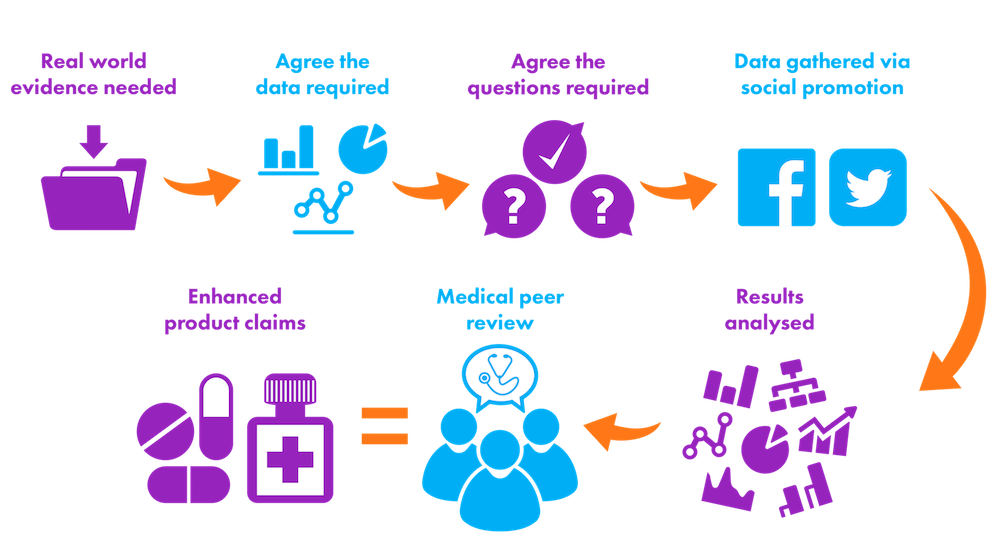
While the FDA is preparing to develop and implement a program evaluating the potential use of real-world evidence (RWE) for regulatory decision making, a panel discussion at this year’s DIA Global annual meeting described how the industry is already using RWE to complement clinical trials.

Tarek Hammad, MD, PhD, head of signal detection and benefit risk assessment, global patient safety innovation at EMD Serono, talked about the role real-world evidence played in the recent approval of avelumab – an anti-PD-L1 monoclonal antibody — to treat metastatic Merkle cell carcinoma (mMCC), a rare aggressive skin cancer.

RWE-FLOW-V2

As explained by Hammad, there is no approved standard of care for treatment of mMCC, so investigators — instead of a using a formal comparator arm — generated data from electronic medical records (EMRs) on observed clinical outcomes in a patient population that received chemotherapy in current clinical practice. This data was then used as a benchmark for chemotherapy efficacy in a real-world setting.

The researchers were able to identify a subset of trial patients who responded to treatment with avelumab and document the benefit gained by contrasting it to the benchmarked data. Last year the FDA granted accelerated approval to avelumab.

Hammad said that several lessons can be learned from the avelumab approval:

  • The use of RWE can be helpful in contextualizing single arm trials for rare diseases, such as mMCC;
  • Early planning may be needed if it’s necessary to review patient records or biopsies;
  • Response assessment in the real-world setting can be more subjective than those in controlled clinical trials;
  • There is always going to be some reporting bias because only patients with complete follow-up information may have been entered into the database, possibly leading to either an under or overestimation of outcome measures;

Tamy Kim, PharmD, associate director of regulatory affairs, Office of Hematology and Oncology Products at the FDA, noted that the use of RWE must be balanced with several concerns: bias and confounding factors such as different patient characteristics and comorbidities, regional variations in standards of care, the quality and completeness of data, the ways in which physicians assess or diagnose patients and how to deal with data that comes from outside the U.S.

Plus, standards of care are rapidly evolving. “So, when new drugs are introduced into a standard of care it’s going to be harder in a real world setting to determine whether the outcome was the effect of particular drug or study or was related to that standard of care, and what new drugs were introduced in that standard of care.”

“With all that said, we are still excited to use real world submissions,” she said, adding that it could help speed up drug development.

She also observed that that one of the drivers spurring the use of RWE is “that the clinical trial paradigm is a paradigm that is used in a relatively pristine setting,” said Kim

This means exclusion criteria often leave out certain groups of patients. For example, she pointed out that elderly patients, or patients with brain metastases or poor performance status are often excluded from oncology clinical trials, even though these patients do take oncology products in the real world.

“How do you know when you approve the drug that it’s going to have the same effect in the real world?” she asked. “We’d like to be able to use these drugs in the real world.”

Nancy Dreyer, PhD, chief scientific officer & senior vice president at IQVIA, who moderated the panel, noted that not only is the FDA promoting the use of RWE in clinical trials, but that the European Medicines Agency (EMA) has stated its intent to take an adaptive pathways approach to drug development — which means more use of real-world data.

When it comes to the use of RWE in clinical trials, “the train has left the station” as far as regulators and payers are concerned, said Dreyer.


Research Projects Show Credentialed Principal Investigators and CRCs Perform Better

The research is clear: certified principal investigators (CPIs) and clinical research coordinators (CRCs) do better work compared with their peers who hold no certification. Much better work, in fact.

That was the thrust of the DIA session Assessing the Impact of Credentialing on Clinical Trial Quality and Performance. It was led by Ken Getz, director of sponsored research programs and associate professor at Tufts Center for the Study of Drug Development, and included the Association for Clinical Research Professionals’ (ACRP) Beth Harper and WCG’s Suzanne Caruso.

“Variance is the enemy of good quality,” said Getz. “There are no real standards or competency requirements for becoming a PI or CRC so the potential for variance in performance is high.”

And the pool of PIs is not stable, which further contributes to the quality problem, he said. In addition, the lack of a structured career path for CRCs and high turnover rates compound the site quality problem, which has devastating consequences for trials, he added.

To offer proper training, ACRP created certification for CRCs, and later, PIs, but neither certification is required to work in the industry. There has historically been much better uptake of the certification for CRCs; about half of all CRCs maintain their certification, which requires that they obtain 24 hours of continuing education credits every two years. Among active PIs, though, as of 2017, only two percent of those working in the field had obtained certification.

certified-clinical-research-coordinator-women-s-t-shirt

Credentialing makes a huge difference in the quality of an investigator’s work.

WCG is working on a study on the topic. Though not complete, the data are already strong. According to Caruso, vice president of clinical solutions for WCG, the majority of ACRP-certified researchers have a low number of protocol deviations. In addition, she said, they have higher enrollment rates across currently active U.S. investigators in WCG’s investigator database, which includes 85 percent of all FDA-regulated investigators and across the company’s site performance data.

Others are studying this issue, too. ACRP has teamed up with the FDA to use FDA inspection outcomes to examine the difference in performance between PIs who have certification versus those who don’t. Thus far, it’s clear that ACRP-certified investigators and coordinators have higher randomization rates and lower numbers of protocol deviations, said Harper, ACRP’s workforce innovation officer. Final results of ACRP’s research on the topic are expected later this summer.

WCG and ACRP are building on research already done by J. M. Hausler in 2009 and David Vulcano in 2012. Hausler performed a retrospective analysis of four trials conducted by a specific sponsor (U.S. multi-center trials) that included 1,400 randomized subjects, which showed that the number of protocol deviations was significantly lower if a PI was certified, and if both a both PI and CRC were certified.

Vulcano — like ACRP is doing now — drilled down on whether there was a difference in FDA inspection outcomes between certified PIs (CPIs) and those who were not certified, and found that CPIs receive fewer for-cause audits, that CPIs are more likely to receive the most favorable outcome and that CPIs are less likely to receive the least favorable outcome.

Explained Harper, the CPI exam is a 100-question multiple-choice test focusing on PI essential duties. To be eligible to take the exam, PIs must have a doctoral degree, show proof of employment as a PI for two of the last five years, and perform all of the duties detailed in an ACRP list of typical PI tasks.

Other key data from the session:

  • Fifty-five percent of the $13 billion the biopharma industry spends annually on clinical trials goes to part-time investigators, while 39 percent goes to academic medical centers and large health systems. Just six percent goes to dedicated sites and site networks.
  • Out of 33,920 unique FDA-regulated investigators in 2015 (the most recent year when complete data are available), 64 percent, or 21,570, had only worked on one clinical trial. Turnover rate in this group was 49 percent. A quarter of those investigators had done two to three trials. Turnover in this group was 20 percent. Just seven percent (2,491 PIs) had done four to six trials (turnover in that group was five percent) and four percent of the 33,920 (1,213) had done seven or more trials. Among this group, the turnover rate was one percent.
  • According to recent data from Tufts, the study initiation (identification through start-up) process takes 36.4 weeks for new sites and 26.2 weeks with repeat sites.

“Site performance is highly unpredictable and expected to be more volatile in the future given growing prevalence of rare and stratified diseases combined with a landscape characterized by fragmentation, low volume, inexperience and turnover,” said Getz, adding that meantime, a growing body of data demonstrates that credentialed site staff perform better in terms of both quality and efficiency measures.

Uber Launches Uber Health, Looks To Improve Patient Experience In Clinical Research

San Francisco-based transportation network company, Uber, is looking to expand their outreach to the clinical research community with the launch of Uber Health, a new dashboard the company hopes will remove transportation as a barrier to proper care.

Using Uber Health, doctors and hospitals will be able to arrange rides for their patients even if the patient hasn’t downloaded the Uber app or does not have a smart phone. Uber Health has been used in beta testing by around 100 hospitals and doctors’ offices since July.

Patient transportation has been the focus of the ride-sharing industry for some time with Uber announcing in October 2016 a non-emergency medical transportation pilot program in conjunction with Circulation. Circulation also announced a preferred partnership with Lyft last year.

Uber Health will address a growing need in the clinical research industry, the company believes. Citing a report by SCI Solutions, Uber says missed healthcare appointments in US alone costs the industry $150 billion a year, and the rate of no-shows in 2017 reached 30% nationwide.

CLN_banner-uber-contribution-clinical-research-407x303

Brad Rosenthal, Uber Health’s Head of Business Development, tells Clinical Informatics News that Uber wanted to approach this new service with patient privacy in mind, working with the idea for a service like Uber Health for two years and making sure the system was HIPAA-compliant before moving toward beta testing.

“In the clinical trial space in particular, we have heard over and over again that recruitment and retention are major issues, to the extent where transportation is a burden and ultimately a barrier for trial retention” Rosenthal said. “We hope we can alleviate some of that.”

Currently Uber Health is leveraging all of Uber’s 750,000 US drivers, a choice Rosenthal says helps put focus on the reliability of the service. “We talked about designating specific Uber drivers for Uber Health, but ultimately we felt that would limit the range of exposure to the service.”

Another focus for Uber Health was limiting the amount of effort on the patient’s part to order the rides. All of the steps from ordering to paying for the ride (which can be handled as either part of the patient’s bill or the organization’s budget) are handled by the healthcare organization, says Rosenthal. That includes the overall health and safety of the patient and evaluating the potential risk of ordering an Uber ride for a given patient.

Uber Health is not an ambulance service, Rosenthal says. “The organization ordering the ride should be confident that the patient is healthy enough to be in the back seat, and if they’re not they should really be calling 9-1-1.”

According to Rosenthal, Uber Health is available in two versions. As a standard web-based dashboard, hospitals and clinical trial sites can use Uber Health to arrange transportation for instant pickup or schedule for up to 30 days before their patient’s scheduled appointment. Uber Health also offers API functionality for the service, giving partners and customers the option to take all the capabilities of arranging transportation and building out their current technology to include these capabilities.

“The functionality between our web-based dashboard and our API is very similar,” Rosenthal says. “But our API allows healthcare organizations to build additional features and ultimately tailor it to how they would like.”

One example of Uber Health’s API capability is through their partnership with healthcare technology company Bracket, who offers research patients the ability to request transportation through Bracket’s Patient Engagement app.

“There’s a growing array of parties that are trying to impact and improve the patient experience in one way or another, and they’re all distant from each other,” Jeff Lee, President of mProve Health (a Bracket company), told Clinical Informatics News in a phone interview. “So when a patient joins a study they’re probably seeing technology from a half dozen or more different providers. That’s quickly becoming an incoherent experience for the patient. Our goal is to help make that all a bit cleaner, [providing] a one-stop shop.”

Bracket is looking to use Uber Health’s API as a more on-demand feature, allowing the patient to request a ride for themselves at any given point and at any given location.

“Sometimes you go to your doctor’s appointment and you’re not sure where you’re going after your visit, or you don’t know where you’re going to be prior to your visit,” Lee says. “Being able to have the patient initiate the ride themselves and have the whole ride experience with all of the Uber hallmarks, is a really complementary way to add value for the patient.”

Rosenthal says the new service has been received well in the clinical trial space, and the company is presently working to connect with a growing clientele he says Uber has not historically interacted with: patients without smart phones or mobile phones at all.

“One of the features we’re currently in build-mode on is interacting via landline,” Rosenthal says. “The question becomes, ‘How can we work on automated reminders through a landline that [a patient has] an appointment and that they’ve been matched with a driver with license plate XYZ driving such-and-such car?’ I think the focus now is how do we work on continuously improving the patient experience.”

Lee believes Uber Health is one of many examples where companies are starting to pay attention and devote time and energy toward clinical research.

This is starting to feel like science fiction, Lee says. Between services like Uber Health reaching directly to the patient and the discussions that Amazon could utilize their Echo Dot as a patient-reported outcome instrument, Lee believes we are moving forward into the space of true patient engagement.

“I think patient centricity and patient engagement are these catch-all terms that mean everything and mean nothing at the same time,” says Lee. “We’re really proud that patient engagement means something specific to us. We know how to put it into practice, and we think things like this type of service can make the patient’s life easier using technology. It’s real patient engagement.”

Compensating Participants in Clinical Research: Current thinking

In clinical research studies, it is not uncommon for monetary compensation to be provided to research participants; as reimbursement for study-related expenses, as compensation for time and effort, and even as incentive payments to encourage enrollment. Sponsors, researchers and Institutional Review Boards (IRBs) are often wary about payments in research participation, citing concerns about coercion and undue influence, whether real or perceived,

and have avoided payments that are “too high.” But new research on how people make decisions about research participation, and new approaches to this question, bring a new perspective; are payments to participants actually too low? This paper explores this question, and whether we should, in fact, worry much less about restricting compensation for research participants.

Unknown

Undue influence and Coercion

At the foundation of the concerns about research participant payment are the issues of undue influenceand coercion. These words are not clearly defined in research regulations or guidance, and are often
used interchangeably when talking about participant payment, but they actually have very different meanings.

To coerce means to achieve something by using force or threat. Situations of true coercion are rare in clinical study recruitment situations. An example of coercion might be a physician who is seeing a patient at a free clinic who says, “If you don’t agree to be in my research study, you can’t come here for care anymore.” Payment offers, though, are not force, nor are they threats. Therefore, offers of payment for participation in research can never be coercive.

Influence is a different concept. Influence, in itself, is not a bad thing. Everyone makes decisions about what they do based on factors that influence them, and sometimes those factors are financial. While many of us really enjoy our jobs, if our employer told us that we wouldn’t get paid anymore, we’d probably stop showing up for work. The issue, then, is not influence, but undue influence. In legal terms, undue influence means that someone makes someone else behave in a way that is contrary to their interests. In research, we often describe undue influence in study recruitment as someone agreeing to take risks that were not reasonable, because they were influenced by other considerations (in this situation, by the offer of money).

But as discussed in the excellent recent paper, Paying Research Participants: The Outsized Influence of “Undue Influence” by Emily Largent and Holly Fernandez Lynch1, the possibility of unreasonable risks requires more consideration as well. In order for an IRB to approve a research study, the Board must ensure that the risks of the research are reasonable in relation to the anticipated benefits, for the target study population. If this is the case, for a research protocol that has been IRB-approved and a potential participant who is in the target study population, how can the offer of payment influence them to take risks that are unreasonable, when the risks have already been determined to be reasonable? With this argument, Largent and Lynch explain that the potential problem of undue influence in IRB-approved research is significantly overestimated, although possible in some very specific situations
(for example, when potential participants are likely to deceive the researchers about their eligibility or when they have some unique characteristics outside the IRB’s purview). In an effort to reduce the occurrence of these situations—although they are already rare—we as a research community have erred on the side of caution in preventing payment or encouraging payment to be kept relatively low. However, underpaying for participation results in the possible exploitation of research participants, the overburdening of certain populations who are willing to accept low payments, and the scientific risks of failed studies due to under- enrollment. For minimal risk research, any concern at all about compensation is likely unnecessary, as the risks are so low that it would be very unlikely that any participant could be making a decision to take a risk that is unreasonable.

Types of Payment to Participants

Reimbursement of Study-Related Expenses

Reimbursement of expenses related to participation in research studies, whether provided by the sponsor or by the institution, should never be of ethical concern. While there are rare instances in which ethically- acceptable studies involve requiring participants to pay for study-required procedures or medications— most often in situations where diagnostic testing is being used for both clinical and research purposes— for the most part, research participation should be cost-neutral. Making research cost-neutral helps to ensure the principle of distributive justice, and that the risks and benefits of research participation are fairly distributed. If each research visit involves out-of-pocket expenses for gas, food during a long wait between scheduled blood draws, parking fees, and child care, then only those who can afford those expenses would be able to participate in the research.

Coverage of expenses for airfare, overnight hotel stays, and other long-distance travel for research participation used to prompt additional ethical concerns based on the higher amounts of money involved. Comfort for these practices has grown over the last several years, in part based on studies in rare diseases and more specific patient populations, where the research is conducted at centers of excellence but potential subjects may be coming from other states or even other countries.

A number of different models for covering out-of-pocket expenses are acceptable including collection of receipts and reimbursement in cash or check; vouchers for taxis, parking or meals; pre-funded debit cards; or providing a per-diem amount based on average and expected expenses. Comfort has also grown with using third party vendors such as Uber and Lyft to bring participants to study visits, with direct billing to the sponsor.

Compensation for Time and Effort

Studies which include compensation for the time and effort of research participants should make an effort to consider the actual time spent on the study, including study visits, tasks outside study visits (completing surveys or diaries), and even travel time to clinical sites, keeping in mind that participants may be missing work in order to complete the study requirements. Payment amounts should be high enough so that they do not take advantage of populations with lower income; proposed payment amounts are sometimes based on local minimum wages, which provides a handy benchmark, but basing study payment on a low wage does have the effect that anyone who makes more than that wage will be losing money if they miss work for study commitments.

There are a number of models that have been proposed for the compensation of research participants, including a wage-payment model, and payment based on market forces and supply and demand.

Incentive Payments

Some study plans include, either explicitly or implicitly, the payment to potential participants in a manner
or at a rate that is intended to persuade them to participate in the research study, above what might
be considered compensation for time or effort. For example, one study offered to pay the costs of elective plastic surgery for which the patients were already scheduled—several thousand dollars—if the patients agreed to participate in a 24-hour-long post-operative study comparing a new pain medication to the standard medication. Another study offered access to services (consultation with personal coaches) and gifts up to a value of approximately $6000 for participation in a study that required the completion of a survey every three months for a year. While the initial reaction to the amounts of money involved is usually caution, if we go back to the discussion of undue influence earlier in the paper, is there truly a valid concern? In both cases, an IRB had determined that the risks of the research were reasonable in relation to the potential benefits; in the second example, the risks were minimal. If the sponsor is willing to pay a certain amount of money to ensure that they were able to enroll the study with the necessary number of participants and in a reasonable amount of time, these types of payments should be acceptable.

Conclusion

Efforts to protect research participants from undue influence, and researchers and sponsors from perceptions of trying to use undue influence, have long been a major concern for IRBs. However, the true risk of undue influence is significantly lower than has often been assumed, when considering research that has been IRB-approved and for which the risks are considered to be reasonable. Instead, parties involved in research should consider whether payments to research participants are sometimes too low.

As the Clinical Trials Industry Evolves, the Most Valued Skill Sets for Professionals are Changing

Due to the vast influx of technology and the advent of Risk-Based Monitoring, the clinical research landscape is now evolving fast, and along with it, so are jobs in the field.

Denise Snyder, associate dean for clinical research at the Duke Office of Clinical Research (DOCR), says highly specialized skills sets among coordinators is the wave of the future in employment in clinical trials.

“The old model was one coordinator working for one investigator, and the coordinator handled all tasks across many projects. The new model is high-performance teams of coordinators helping, contributing and bringing exactly what they are good at to the table,” said Snyder. “That’s the direction we’re moving in.”

Young_people_with_tech

Jim Kremidas, executive director of the Association of Clinical Research Professionals (ACRP) explained that as risk-based monitoring has taken hold and more monitors are analyzing data from a central location rather than traveling to the sites, sponsors and CROs are looking for clinical research coordinators with more of a strong math background. And as the sponsors’ and CROs’ relationships with sites becomes ever more important, sponsors and CROs are looking for clinical research associates who excel at fostering friendly, supportive connections with sites.

“I think we’re going to see a morphing of these role into subspecialties — a data analyst and site-relationship manager type of CRA, along with the traditional role that the CRA has always had,” said Kremidas. “With CRCs, I think we’ll begin to see a quality assurance focus, someone who oversees the input of the data into the eCRFs. I think we’ll see a technology type of specialist for patients to call in order to get help logging on.”

Beth Harper, workforce innovation officer for ACRP, said technology is behind the lion’s share of these changes across the industry.

“We now have tools and technology that can aggregate the data, and allow us to look for and spot trends across massive amounts of data,” Harper said. “We never had that before, and it has changed everything.”

As a result of this evolution of the CRC and CRA roles, ACRP has created a “certified professional” certification onto which subspecialty designations can be layered as needed. Last month, ACRP launched the subspecialty of project management. The group is also exploring subspecialties in data analysis, statistical analysis, and relationship management.

“As roles continue to evolve, we will create new certification programs,” promised Kremidas.

Sean Walsh, site veteran and now director of site development for ClinEdge, said he thinks that as virtual trials become more popular, the industry will need more home health nurses to visit patients where they are.

One thing the field won’t be needing more of is people that focus on regulatory. That’s because eRegulatory is coming on strong in the field now, and work that used to require a team of people working for weeks on a thick binder of papers now can be handled with a few computer clicks, said Walsh. It’s just a matter of adoption.

“That job is phasing out,” Walsh said. “A few years from now, that’s just going to be a 10-minute job for a coordinator.”

Academic medical centers are beginning to restructure themselves around the coming changes in the workforce around clinical trials.

Explained Bree Burks, senior director of Vanderbilt Coordinating Center in the Vanderbilt Institute for Clinical and Translational Research, 18 months ago, the university established the coordinating center to better organize their talent working in the clinical trials space. Now investigators at Vanderbilt can tap into the center for assistance with various parts of their clinical trial — or all of it.

Said Burks, with this new model, PIs can pull only what they need from the pool of coordinators, and the coordinators have a chance to stick with the areas where they excel — as opposed to the old model where a PI had one or two coordinators who wore all hats, from study start up duties, to recruitment, to budgeting, to regulatory to patient visits.

Within an environment like this, said Burks, coordinators can put their careers on hyperdrive, which was not possible using the old model. And new jobs have been created within this environment, such as the clinical trials navigator, a person who handles high-level logistics around trials.

Vanderbilt has also added auditing and IT tracks, and is soon to add an informatics track.

The Duke Office of Clinical Research is working on a similar concept among its clinical research workforce, which includes “swat team coordinators” who can be sent in during an emergency, said Snyder.

“The landscape is changing,” she said. “Certainly we need a different type of coordinator today than we needed 20 years ago. We are seeing more defined roles.”

India must boost innovation to benefit from China’s opening of pharma sector: analysts

China promising for Indian pharma


It is still too early for India to celebrate China’s continued opening of its drug industry, as the South Asian country must boost innovation in its pharmaceutical industry and cooperate with Chinese companies to smooth export procedures, experts said on Sunday.
Unknown

“India, as the world’s pharmacy, has to continue to work with Chinese authorities to reach mutual recognition of standards or inspections conducted by authorities from the two sides,” said Tian Guangqiang, assistant research fellow with the National Institute of International Strategy at the Chinese Academy of Social Sciences.

India has become a major production hub for generic drugs, which Chinese authorities still hold a cautious attitude toward due to their unpredictable side effects, he said.

Generic drugs are less expensive but not subject to a patent protection period. India is the largest provider of generic drugs globally, with Indian generics accounting for 20 percent of global exports in terms of volume, said a report published on the website of the India Brand Equity Foundation.

“The booming generic drug industry in India has caused an uneven level of production, and some small manufacturers cannot reach the standards for export,” Tian said, noting that if India really wants to benefit from a more open cancer drug market in China, it should enhance innovation in its drug industry.

Cancer drugs are life-saving drugs that should not be unaffordable, especially following exemptions from import tariffs, Premier Li Keqiang told a recent State Council meeting, according to a post published on the central government’s website on Friday. 

Starting from May 1, China has exempted 28 drugs from import tariffs, including cancer drugs, in order to  enhance the availability and inclusiveness of the drugs and to reduce the burden of patients.

About 10,000 patients are diagnosed with cancer annually in China, ,industry news site cn-healthcare.com reported.

“The Chinese market will become more open to foreign pharmaceutical companies for sure, considering the related cancer risks that Chinese people are facing,” Wu Bin, vice chairman of the China Association of Pharmaceutical Commerce, told the Global Times on Sunday.

India has long been asking China to open its information technology and pharmaceutical firms to reduce the trade deficit, which has reached over $50 billion, Press Trust of India reported in May.

“Indian pharmaceutical companies can also cooperate with their Chinese counterparts by setting up production plants in China to overcome issues regarding tariffs and administrative barriers,” Tian said.

Repurposing Existing Drugs for New Indications

An entire industry has sprung up around resurrecting failed drugs and recycling existing compounds for novel indications.

feature1new


In 2010, Bruce Bloom, CEO of Illinois-based Cures Within Reach, reviewed the organization’s decade-long track record of bringing new treatments to patients. He found that the nonprofit had funded 190 novel drug projects, but “couldn’t find any instance where it was directly helping patients,” says Bloom. Cures Within Reach had also funded 10 different drug repurposing projects, seeking to test existing drugs for novel indications. Of the 10 projects, four generated enough evidence to give physicians confidence to treat patients off-label, which doctors can do at their discretion, particularly when there is no approved therapy for a condition or when a patient has exhausted all available treatment options.

“We then polled 200 researchers and clinicians, and 66 percent of researchers told us they had a [repurposing] project ready for investigation, and 25 percent of clinicians had clinical observations they wanted to test in a trial,” says Bloom. “This convinced us that there is a ton [of opportunities] out there for repurposing.”

Thalidomide, originally approved in Europe in the 1950s as a sedative and in the U.S. in 1998 to treat leprosy, was one of the initial compounds researchers suggested to Bloom’s organization for repurposing—in this case, to treat multiple myeloma. In 2000, Cures Within Reach—which itself receives funding exclusively from nongovernment sources including private foundations—helped support a thalidomide Phase 2 trial at the Mayo Clinic. Because the drug had already been tested as a leprosy treatment, the researchers were able to bypass Phase 1 safety and dosing trials, which can take years to complete. Based on those results, in combination with a handful of other trials of the drug, the US Food and Drug Administration (FDA) approved thalidomide for multiple myeloma in 2012. Bloom estimates it cost only $40–$80 million in total to secure this FDA approval, compared to the average of $1–$2 billion it takes to develop a drug from scratch.1

Other researchers are taking similar approaches to find promising therapies already developed for one disease that could help treat another. Many academics have found promise in drugs that have long been on the market—inexpensive generics whose patents have expired. And a handful of nonprofit companies have cropped up to help usher these discoveries, which lack monetary incentive, to the clinic.

Generic drugs found to work for a new disease are in a state of purgatory.—Craig Wegner, AstraZeneca

Some companies hoping to recoup returns on their investments are also looking to repurpose existing drugs still under patent, such as those that were shelved after unsuccessful trials. Because resources have already been devoted to these unapproved therapies, companies see value in attempting to revamp them for a new indication. “A lot of the cost and risks of drug development has already been surpassed, which is a huge cost benefit,” says Craig Wegner, head of AstraZeneca’s Emerging Innovations Unit in Boston.

Meanwhile, the National Center for Advancing Translational Sciences (NCATS) at the National Institutes of Health (NIH) aims to bridge the industry-academia divide by opening pharma’s storehouse of compounds to university researchers for study of their mechanisms and potential uses. The center, established in December 2011, funded nine drug projects in 2013 and another four in 2015. Ongoing phase 2 clinical trials grew out of these projects and the center announced funding of several new projects in 2017. “There has been an incredible amount of energy around repurposing in the last five years that was not there previously,” says Bloom.

Most successful cases of drug repurposing have been largely serendipitous discoveries. Sildenafil, sold as Viagra since 2005, was tested as a treatment for erectile dysfunction only after erections emerged as a side effect in Phase 1 trials for cardiovascular disease. The antihypertensive minoxidil was reformulated into the topical cream Rogaine after patients using it experienced hair regrowth. But driven by such repurposing success stories, researchers are now taking more-tactical approaches to pinpoint new uses for existing and failed drugs, relying on new high-throughput techniques such as large-scale screens and bioinformatics strategies to mine data for drug-disease connections.

“More and more,” says Bloom, “people are thinking of repurposing as a faster, cheaper, safer way to drive therapies to patients and as a method of creating a smarter way of new drug development.”

Academia takes the lead

Heath Schmidt of the University of Pennsylvania’s Perelman School of Medicine teamed up with Penn clinical researcher Rebecca Ashare to test galantamine’s ability to help smokers kick their habit. Galantamine, an acetylcholinesterase inhibitor approved in 2001 for the treatment of Alzheimer’s disease, blocks an enzyme that degrades acetylcholine, a neurotransmitter in the brain that’s been linked to cognition that also binds to some of the same neuronal receptors that mediate nicotine’s rewarding effects. “The idea is that if you can increase acetylcholine signaling in the brain, you could decrease nicotine-related behaviors such as tobacco smoking,” says Schmidt.

In 2012, the team launched a Phase 2 short-term efficacy trial, and in a study published last year, found that smokers who took the acetylcholinesterase inhibitor for two weeks had decreased satisfaction from smoking and smoked an average of 12 percent fewer cigarettes compared with smokers who took a placebo.2 “The known safety and side effects can make a trial much more efficient,” says Ashare. The researchers have already launched a second Phase 2 trial to study the drug’s effects on longer-term smoking cessation.

Schmidt and Ashare are not alone. Many academic researchers are turning their attention to existing drugs as a potential goldmine of therapies that are cheaper and faster to move into the clinic, and they’re getting more methodical in their approach. Stephen Wong, a biomedical engineer at the Houston Methodist Research Institute in Texas, switched his focus from novel drug discovery to repurposing nine years ago when he realized the breadth and depth of clinical trials and basic science information available online. That has “really changed everything for drug development,” he says. Wong’s lab culls and archives publicly available omics research databases, journal articles and conference abstracts, human clinical trial data, patents, and Houston Methodist’s database of longitudinal patient records, as well as privately generated omics data from preclinical disease models. The researchers then mine the information to identify molecules and combinations of molecules that match disease targets and pathways using artificial intelligence algorithms. “We call our technology the DrugX engine,” says Wong. “It’s like Google but for drug discovery.”

The search engine spits out dozens of potential matches for laboratory and animal testing. Wong’s team then turns to disease-specific clinicians and researchers who can help narrow down the list. “If we get 1,000 possibilities from our search engine, an expert can likely tell me which few we should actually validate,” Wong says. The lab’s efforts have led to several Phase 2 clinical trials (skipping Phase 1 safety trials in all cases), including an ongoing one testing the malaria drug chloroquine, administered in combination with chemotherapy, for metastatic breast cancer.3

Hua Xu’s lab at the University of Texas Health Science Center in Houston also hopes to repurpose drugs, relying exclusively on clinical data. “[Doctors] monitor for bad side effects of drugs, but then we started to think, ‘Why couldn’t we use electronic health records to find potentially good effects of drugs?’ ” he says. Xu’s group found, for example, that patients with breast, colorectal, or lung cancer who took metformin for type 2 diabetes had better overall survival compared with diabetic cancer patients who took other diabetes medications.4

In 2014, the growing popularity of drug repurposing led Hermann Mucke—a biochemist who has run his own consulting firm to advise pharma companies and academic institutions on potential repurposing opportunities for nearly 17 years—to help launch a dedicated journal, Drug Repurposing, Rescue, and Repositioning, currently published twice a year as special issues of ASSAY and Drug Development Technologies. “Our mid-term goal is to publish regularly as a stand-alone journal,” says Mucke, who serves as the editor. “There is more than enough research going on in the field to warrant this.”

While academic labs continue to churn out new leads, they often encounter difficulties garnering industry interest to support trials for a new use of a generic drug. After Eric Verdin, president and CEO of the Buck Institute for Research on Aging in Novato, California, and his colleagues identified two possible clinical uses for an aspirin derivative in mice,5,6 for example, the team was unable to find a partner to move the compounds into clinical trials. “I’m becoming disenchanted with drug repurposing,” Verdin says. “It’s impossible to get funding from venture capitalists or even from our institution’s intellectual property office.” Verdin said he was advised to modify the molecules to make them unique, such that they would be patentable and generate revenue. “But [if the generic version works], this is completely the opposite of what one should do with this type of discovery,” he says.

“Repurposed generic drugs do not appear to be good business cases,” agrees researcher Michael Pollak, a cancer researcher at McGill University in Montreal. “That’s the reality of repurposing.” Metformin—a widely used generic and typically the first line of treatment for type 2 diabetes—is a good example. Although the drug may slow the growth of some types of tumors and may even prevent certain cancer types,7 trial funding has come predominantly from academia. Despite hundreds of small clinical trials, a lack of coordination between academic institutions and industry has resulted in slow development and no clear answer on the drug’s efficacy in thwarting cancer growth. “No company expects to make a profit from metformin’s use in cancer,” Pollak says.

Due to this lack of monetary incentive, “generic drugs found to work for a new disease are in a state of purgatory,” says Wegner. Indeed, no generic drug has ever been approved for a new indication by a manufacturer without modification of the drug’s delivery or its dose, which would provide renewed patent protection. Someone needs to step up to help move preliminary findings about these cheap and available drugs into the clinic where they can help patients, Wegner adds. “This is where foundations, advocacy groups, and the NIH can play a huge role.”

Nonprofits tackle generics

This unused surplus of widely available, cheap, and potentially beneficial therapies is exactly what the Massachusetts-based nonprofit GlobalCures wants to tap into. “Our goal is to repurpose ‘financial orphans’—drugs for which there is evidence of efficacy but that have not gone through rigorous Phase 3 trials because there has been no financial incentive,” says cofounder Vikas Sukhatme. GlobalCures catalogs case reports and anecdotal remissions submitted by patients, as well as published preclinical and retrospective human data on noncancer drugs that show promise as anticancer therapies.

“We have trial protocols written and principal investigators all ready to go,” says Sukhatme, who studies tumor metabolism and immunotherapy at Harvard Medical School. “It costs $5 million to $10 million for a [small] trial, and we have ideas for 10 to 20 such studies that could be started immediately.” Which of those trials will move forward depends on funding, which GlobalCures hopes to receive from NIH grants, private foundations, and donors. “Priority is given to studies that might have the greatest impact in the shortest time frame and use inexpensive medications,” says Sukhatme.

The Belgium-based nonprofit Anticancer Fundalso supports trials testing agents that have “low commercial interest for industry but that have potential to help patients,” says Gauthier Bouche, the organization’s medical director. Leveraging its network of collaborators, the Anticancer Fund sifts through published human data, anecdotes regarding off-label drug use, and high-throughput screening results in cultured human cells to decide which approved compounds are worthy of clinical trials for new indications. The organization has teamed up with GlobalCures to write manuscripts and editorials summarizing the outcomes of studies investigating noncancer drugs for different tumor types, and the researchers are working to better understand the regulatory hurdles when seeking to test a drug for a new indication.

A repurposed drug does not necessarily need approval to be considered a success, however. Bloom says that about 80 percent of repurposing efforts at Cures Within Reach aim to demonstrate efficacy of generic drugs for a new indication, providing doctors with enough information to make an informed decision on off-label use. “Our goal is to complete a robust proof of concept trial that gives physicians enough information for off-label use in a patient population that has no other reasonable treatment,” he says. To earn FDA approval, the nonprofit would have to secure millions of dollars to run large clinical trials. “The cost of securing marketing approval far outweighs the possible financial return,” says Bloom.

This was the approach the organization took when it started investigating the use of the generic mTOR inhibitor sirolimus for pediatric autoimmune lymphoproliferative syndrome (ALPS), a chronic disorder in which blood cells accumulate in the body, causing damage to many organs and sometimes leading to lymphoma. In 2008, in a small trial funded by Cures Within Reach, five of six patients treated had complete remissions.8 After publishing the results the following year, the news began to spread among clinicians and patients. The inexpensive drug, originally approved in 1999 as a prophylactic treatment to prevent rejection of renal transplants, is now prescribed off-label for ALPS (and, more recently, for other similar autoimmune disorders in children).9

“Prior to the work in ALPS, the kids that were refractory to steroids or other drugs had no therapy; they suffered and died,” says Bloom. “Now they have a therapy, and physicians know it is available, and it works. The patients are getting the care, and that is a success.”

In bed with industry

There are also players in the repurposing field looking to turn a profit. Like academics and nonprofits in the field, biotechnology companies focused on drug repurposing are also finding innovative ways to mine publicly available information on existing compounds to uncover new drug-disease connections. (See “Teaching an Old Drug New Tricks,” The Scientist, April 2011).

In 2008, University of California, San Francisco, pediatric endocrinologist and bioinformatician Atul Buttelaunched NuMedii to capitalize on his new data-mining technology that identifies potential links between drug profiles and the molecular pathways of disease. “All of the information we put into our system”—including available data on marketed drugs, generic compounds, and unapproved drugs abandoned by pharmaceutical companies during development —“is carefully curated to enable us to come up with potential clinically and commercially viable data,” says Gini Deshpande, NuMedii’s cofounder and CEO. “We use a lot of omics data and take an unbiased perspective to find where there may be yet undiscovered biology that we can leverage.” The company then tests the most promising candidates in animal models. NuMedii has yet to take a candidate drug into the clinic, but has several “clinic-ready” compounds, according to Deshpande.

If one of the drug candidates NuMedii revives is not a generic, but a shelved, patented drug owned by a pharmaceutical company, the biotech can partner with the pharma firm for further development or obtain rights to the compound and carry on solo. But other routes exist. Some in the field are pulling for collaboration—not just among companies, but with academics of diverse expertise as well. “Drug development using bioinformatics is incredibly complex,” says Bloom. “Right now, different companies and labs have each started to figure out a piece of the puzzle.” Mucke adds: “The real interesting things will come if you use each to its full advantage and cross-link them together.”

Fostering such collaborations is one of the main goals of the NIH’s NCATS program, which aims to uncover new uses for the compounds pharmaceutical companies still own but whose development has been halted. NCATS asks that companies make some of these shelved compounds—and the accompanying preclinical data—available to academic researchers at no cost. The program then provides this information as well as a supply of the drug to research labs that can study new, clinically relevant activity of the drug. The company retains full control of the rights to the drug and the ability to file for the new indication. For U.K.-based AstraZeneca, the program allows the company to tap the knowledge and experience of outside experts for a disorder that may not be on the company’s radar, says Wegner. “The program can benefit patients, the investigators, possibly AstraZeneca, and at the minimum, advance science.”

“There have even been instances where our program elected not to fund a project, and the pharmaceutical company stepped in and provided funding, working with researchers on their own,” says Christine Colvis, who heads the NCATS program. NCATS currently has 10 ongoing projects, including eight Phase 2 clinical trials. One of NCATS’s most advanced projects involves AstraZeneca’s shelved cancer drug saracatinib, which in 2012 was found to target amyloid-β signaling in the brain and to rescue synapse loss in mice.10 A Phase 2 trial of saracatinib for Alzheimer’s patients completed enrollment at the end of 2016.

“What I like about drug repurposing is that it can solve two issues: improved health-care impact and reduced health-care cost,” says Bloom. “That’s a big driver for us.” 

More than 95 percent of the preclinical work cited by 109 clinical trial proposals lacked the hallmarks of best practices in Germany

Applications for Phase 1 and 2 human studies in Germany frequently lack sufficient information about an intervention’s efficacy in animal experiments, according to a new study.

lab assistant takes care about laboratory rats into plastic cages

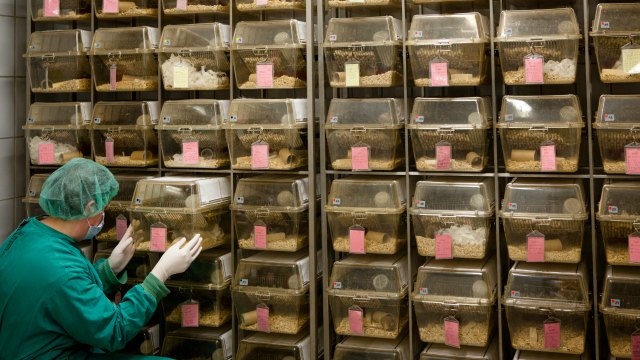
Recent applications for human clinical trials submitted to ethical review boards in Germany are sorely lacking in preclinical evidence from high-quality animal experiments on the proposed treatment. According to a study published today (April 5) in PLOS Biology, more than 95 percent of the preclinical work cited by 109 clinical trial proposals lacked the hallmarks of best practices, such as randomization or blinding.

“This is incredibly alarming,” Shai Silberberg, director of research quality at the National Institute of Neurological Disorders and Stroke in Bethesda, Maryland, tells Science. The study “shows that decision-makers for ethics related to clinical trials don’t get the information they really need to evaluate those preclinical trials.”

See “Preclinical Studies Don’t Regularly Adhere to Best Practices

Nevertheless, the studies were approved. The authors examined clinical trials submitted to and approved by institutional review boards at three German biomedical institutions between 2010 and 2016. These 109 proposals included 708 preclinical efficacy studies.

The research team found that the vast majority of the preclinical work—89 percent—was not published in a peer-reviewed journal. Furthermore, 82 percent reported only positive findings.

“With a median group size of 8 animals, these studies had limited ability to measure treatment effects precisely. Chance alone should have resulted in more studies being negative—the imbalance strongly suggests publication bias,” study coauthor Susanne Wieschowski, a postdoc at Hannover Medical School in Germany, says in a press release.

According to Science, Wieschowski and colleagues suspect the situation is similar in other countries.

New Amazon-Led Healthcare Venture Taps Surgeon, Author Gawande as CEO

The new, independent, healthcare-focused company Amazon, Berkshire Hathaway, and JPMorgan Chase plan to launch made a big splash when it was first announced in January, but few details have emerged since.

Unknown

On Wednesday, the trio of American business heavyweights revealed a little more. They said Atul Gawande, a surgeon and author who is well known within the healthcare industry, will serve as CEO of the still unnamed joint venture. His first day is July 9, the businesses said. They also said the new company will be headquartered in Boston, where Gawande lives and works.

Gawande is something of a renaissance man. He’s a surgeon at Brigham and Women’s Hospital in Boston and a professor at Harvard Medical School. In addition, Gawande is a journalist and the author of several books, including “The Checklist Manifesto.” He has been a staff writer at The New Yorker since 1998, and contributes articles to the magazine’s print edition and website about controlling costs in the U.S. healthcare system and other topics. He’s also the founding executive director of Ariadne Labs, a Boston-based organization that seeks to foster innovation in healthcare.

Earlier this year, Amazon (NASDAQ: AMZN), Berkshire Hathaway, and JPMorgan (NYSE: JPM) said their goals in forming the company were to improve their U.S. employees’ satisfaction with the healthcare they receive, and to reduce the cost of care for these workers. Together, the three businesses employ more than 1.1 million people.

“I have the backing of these remarkable organizations to pursue this mission with even greater impact for more than a million people, and in doing so incubate better models of care for all,” Gawande said in a news release.

Amazon’s healthcare ambitions have been the subject of widespread speculation. The Seattle e-commerce giant reportedly sells over-the-counter medications under a partnership with Michigan-based Perrigo (NYSE: PRGO). Some industry observers believe that Amazon, with its 100 million-plus subscribers to its Prime two-day shipping service, could be well positioned to begin also shipping prescription drugs and other types of healthcare products to consumers.

But from what little information Amazon, Berkshire Hathaway, and JPMorgan have made public about their joint venture, it appears to be focused on their employees, not their customers.

Visit Us On TwitterVisit Us On Google PlusVisit Us On LinkedinVisit Us On Facebook