Lilly looks to devices to revive diabetes division

Eli Lilly has unveiled a new partnership with diabetes device maker Dexcom to breathe new life into its diabetes division. 

LillyHQ-840x470

The deal will see Dexcom’s continuous glucose monitors integrated into Lilly’s Connected Diabetes Ecosystem – a portfolio of diabetes devices including smart-pens, insulin pumps, medicines, apps and software aimed at improving outcomes.

Kevin Sayer

“Lilly’s Connected Diabetes Ecosystem promises to drive a significant step forward in diabetes management. As technology converges in our industry, we believe that connected systems will become the standard of care over time,” said Kevin Sayer, president and CEO of Dexcom.

“By combining devices, drugs and technology, we can deliver solutions that adapt to each person’s unique needs in managing their diabetes while also providing compelling advancements for both physicians and payers.”

Although having been in the insulin market for some time, Lilly has been looking at ways to move into the flourishing diabetes monitoring market to fend off imminent biosimilar competition to some of its lead candidates.

In fact, according to the Wall Street Journal, Lilly has been developing an insulin delivery device and smart pen device since the opening of its Cambridge, Massachusetts lab in 2015.

When launched, the new devices will face a lot of varied competition. The new concept of the ‘artificial pancreas’ has revolutionised diabetes management thanks to the FDA’s approval of the MiniMed 670G system earlier this year.

Hailed as a milestone in diabetes treatment, the device continuously monitors blood glucose and automatically delivers insulin when needed.

Other devices of its kind will be joining the market too. Insulet’s Omnipod Horizon, the world’s first tubeless insulin delivery system, has shown promise in early trials, while closed loop systems – i.e. those that require no user interaction whatsoever – will soon follow.

Lilly has however backed Beta Bionics – a firm that is currently developing a system that delivers both insulin and glucagon, making it the closest thing to a genuine artificial pancreas yet.

Experimental opioid digital pill successful in early trial

Another ‘digital pill’ that tracks adherence to a common opioid could be on its way to market thanks to a successful initial feasibility study.

Pill-taking-adherence-840x470


Earlier this month, the FDA approved the first-ever digital pill in the form of Otsuka and Proteus’ Abilify MyCite.

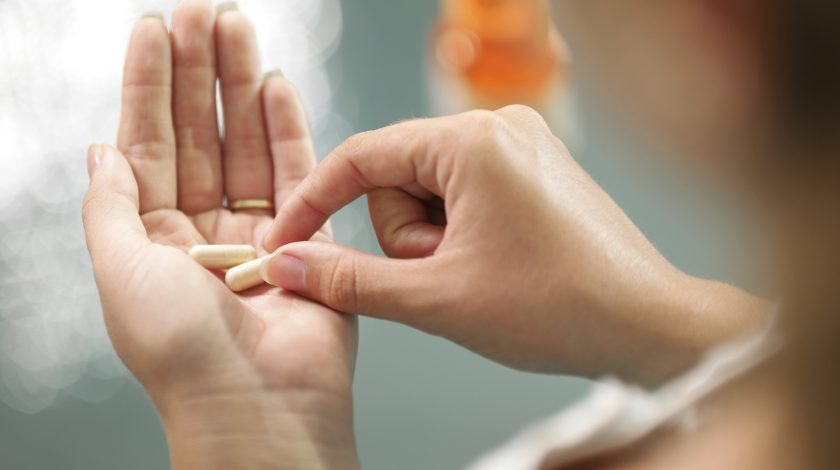
The pill combines Otsuka’s mental health medicine Abilify with Proteus’ ingestible sensor to know when patients have taken their medication.

If a patient hasn’t done so, an alert can be sent to their doctor who can then follow up with their patient in an attempt to improve their adherence.

In this instance, the experimental medication, created by eTectRx, combines the common opioid oxycodone with a wireless ingestible sensor.

A radio frequency is emitted from the pill once it is activated in the stomach which is transmitted to a wearable and an accompanying app.

Data as to when the pill was taken is then passed onto a cloud platform which can be accessed by the patient’s care team to monitor their adherence.

In a small feasibility study carried out at Brigham and Women’s Hospital in Boston, Massachusetts, the eTectRx’s pill was given to 26 patients who had been discharged from emergency care with fracture pain.

Of the 26, 15 patients completed the study, taking a median average of six of their prescribed 21 oxycodone pills. Interviews with participants were then conducted to confirm the study’s findings.

In previous research, the pill was found acceptable by eight out of 10 users, with nine out of 10 reporting that they were willing to keep taking the pill to improve adherence monitoring.

A broader issue

In terms of feasibility, the pill worked. However, the results suggested a wider issue with opioid prescription.

In the US, opioid abuse has developed into an epidemic and has even been labelled a ‘national emergency’ by President Trump.

As the study authors note, pill ingestion varied widely among patients from three to almost ten over the study’s seven-day period. Many of the participants also took most of their pills during the first few days which then tailed off over time.

As a solution, the authors “propose that clinicians consider instructing patients to begin tapering the dose of opioid analgesics beginning at 24 hours after injury, which would also reduce the number of pills dispensed, and ultimately wasted or made available for diversion.”

Earlier this week, the FDA published guidance encouraging companies to develop generic abuse-deterrent opioid drugs as part of its drive to end the opioid addiction epidemic.

Amazon more interested in shipping medical devices… for now

Amazon is setting its sights on shipping medical devices rather than pharmaceuticals – at least for the time being.

Amazon-box-840x470

Earlier this year, rumours of the retail giant’s imminent entry into the medicines market arose after news broke that it had obtained wholesale pharmacy licences in at least 12 US states.

Coupled with its purchase of grocery chain Whole Foods, the suggestion was that the firm could distribute prescription drugs via these newly purchased outlets.

In response to analysts, Amazon chief financial officer Brian Olsavsky remained tight-lipped about the company’s intentions, saying he could not “confirm or deny any of the rumours related to pharmacy or anything else.”

Despite not suggesting any concrete plans, Olsavsky’s comments spooked shareholders in both Walgreens and CVS – two of the US’ biggest pharmacy chains – leading to an almost 6% share price drop for both firms.

Since then, a few reports have suggested that the company is exploring the pharmacy business as well as speaking to healthcare regulators.

More light may have just been shed on the issue though. As reported by CNBC, the online shopping giant is delaying its anticipated entry into the pharmaceutical market over concerns related to the market’s stringent regulations.

Instead, Amazon is looking to sell medical devices and supplies through its Indiana fulfilment centre for the time being, according to a Freedom of Information Act request by US investment firm Jefferies.

“Applicant (Amazon) will not store or ship drugs,” the application states.

Of course, tackling the simpler aspects of the healthcare market first, like shipping medical equipment and devices, does not mean it will now eventually take on the pharmacy market.

One idea is that Amazon could use its licenses to act as a pharmacy benefits manager (PBM), negotiating price cuts with pharmaceutical companies and pharmacies to sell to US healthcare providers.

The move would prove lucrative for Amazon – the market is thought to be worth around $420 billion. Recent poor press surrounding PBMs and their role in drug price inflation could also open the door to cheaper drug pricing from Amazon.

Samsung Bioepis’ trastuzumab biosimilar gets EC approval for breast cancer

The European Commission (EC) has approved Samsung Bioepis’ Ontruzant, a biosimilar version of Genentech’s Herceptin (trastuzumab), for the treatment of breast cancer in early and metastatic stages and also for metastatic gastric cancer.Smart-Object

Trastuzumab, which is a monoclonal antibody, is the active substance in Ontruzant. This antibody binds with high affinity and specificity to the human epidermal growth factor receptor 2 (HER2) gene.

The binding results in the inhibition of the proliferation of tumour cells that overexpress the HER2 gene, which is considered to be one of the causes in the development of breast cancer.

Samsung Bioepis president & CEO Christopher Hansung Ko said: “Breast cancer remains the most common form of cancer affecting women. We hope Ontruzant will play an important role expanding patient access to trastuzumab across the region.

“Through relentless process innovation and an uncompromising commitment to quality, we remain dedicated to advancing one of the industry’s strongest biosimilar pipelines, so that more cancer patients and healthcare systems across Europe will benefit from biosimilars.”

Ontruzant’s approval in Europe comes after the positive opinion adopted by the European Medicines Agency’s (EMA) Committee for Medicinal Products for Human Use (CHMP) in mid-September.

The drug is the first trastuzumab biosimilar to be approved in Europe.

MSD, which goes by Merck in the US and Canada, will commercialize the Samsung Bioepis trastuzumab biosomilar.

The approval of Ontruzant from the Commission applies to all the European Union (EU) member states and the European Economic Area (EEA) member states of Norway, Liechtenstein and Iceland.

Ontruzant is now the fourth biosimilar developed by Samsung Bioepis that has secured EC marketing authorization. Previously, the company received approvals for Benepali (etanercept), Flixabi (infliximab) and Imraldi (adalimumab).

Earlier in the month, Samsung Bioepis’ trastuzumab biosimilar was approved in South Korea by the Korean Ministry of Food and Drug Safety for treating metastatic breast cancer, early-stage breast cancer and metastatic gastric cancer. In South Korea, the biosimilar is branded as Samfenet.

Microsoft starts to support clinical trials

Technology leader Microsoft has entered into a partnership with the life sciences consulting firm Parexel. This is to develop software capable of accelerating drug development for clinical trials.
images

The partnership will utilize Microsoft’s Azure cloud computing platform. With this system, Parexel will transfer its informatics software. Microsoft Azure is a cloud computing service designed for building, testing, deploying, and managing applications and services. The applications run Microsoft-managed global data centers. The Azure is an example of a software as a service platform and infrastructure as a service.


The Parexel informatics software is called Perceptive MyTrials. The software is designed to provide scientists single point access to clinical trial management, together with regulatory information, medical imaging, and electronic patient-reported outcomes. Informatics relates to information engineering, taking into account the interaction between humans and information alongside the construction of interfaces, organizations, technologies and systems.


The bringing together of the two different technologies has the aim of creating a cloud-based solution for making patient engagement stronger and with making clinical trials of new drug compounds more accessible.


Speaking with PharmaPhorum, Xavier Flinois, president of Parexel Informatics stated: “Technology is disrupting the established model of research and development in health care. Drug development is becoming more complex, while innovations including social media, analytics, mobile technology and the Internet of Things are enabling a more patient-centric approach.”


Flinois adds that he expects drug delivery times to be streamlined, with faster time-to-market. The business leader also notes that Parexel has also entered into a partnership with the major pharmaceutical firm Sanofi. This is looking at the usefulness of wearables in clinical trials.


Microsoft has been making in-roads into healthcare as the technology company seeks to diversify away from the crowded consumer products arena. Microsoft has its own cloud-based medical systems termed Healthcare NeXT. This is to develop digital tools to aid healthcare providers deliver an improved service to patients. Microsoft are also working on other machines, such as InnerEye, which is artificial intelligence tool for creating three dimensional versions of patient scans for radiotherapy planning.

Alzheimer’s Disease Drug Fast Tracked by FDA

The FDA has given Fast Track Designation to an Alzheimer’s disease (AD) clinical drug that targets an underlying—and often untreated—pathology of the disease.

Biopharmaceutical company Alzheon Inc.’s lead clinical investigational drug ALZ-801, a novel, oral anti-amyloid optimized prodrug of tramiprosate, was green-lit for FDA fast track after a series of promising clinical developments. The investigative drug was discovered to have a novel mechanism of blocking the formation of toxic amyloid oligomers — a noted agent of AD development and progression.

Unknown


Thus far, clinical data of ALZ-801 has shown long-term clinical efficacy in AD patients homozygous for the E-4 allele of apolipoprotein E (APOE4/4) genotype. These genetically-defined, high-risk patients will be targeted in the fast-tracked phase 3 study.

APOE, a gene located in the brain that helps transfer cholesterol to neurons and support their function, separated into 3 alleles — E-2, E-3, and E-4. The E-4 allele has been indicated in previous research to correlate with higher and earlier risk of onset AD. About 65% of US patients with AD carry at least one E-4 allele, and about 560,000 of those patients are APOE4/4 homozygotes. These patients’ rates of cognitive decline and dementia stages of AD appear faster than the rest of the patient population.

Martin Tolar, MD, PhD, founder, president and chief executive officer of Alzheon said the company has built a strong body of clinical research and analysis that supports the treatment of ALZ-801 in AD subpopulation group.

Such clinical backing enables the company to “pioneer a Precision Medicine approach in Alzheimer’s, and to move toward an upcoming pivotal study and potential approval as quickly as possible,” Tolar said.

Following the phase 3 trial, Alzheon intends to expand ALZ-801 trials into additional AD patient populations, as part of its “Precision Medicine” approach. With the approach, the company evaluates the clinical drug based on genetic markers and disease stages.

This is adverse to the state of developed AD drugs, which Gary Small, MD, director of Geriatric Psychiatry at UCLA’s Brain Research Institute, said have been historically developed for symptomatic response. Speaking at the Pri-Med West 2017 conference earlier this year, Small advocated for the pursuit of disease-modifying drugs in mainstream AD research.

As there are currently no FDA approved drugs that target the underlying pathology, as well as slow AD’s progressive cognitive and functional decline, ALZ-801 stands to become a possible breakthrough. Its Fast Track Designation only supplants the potential.

“We look forward to working closely with the FDA, as we seek to make progress in developing a disease modifying treatment for Alzheimer’s disease to address the needs of Alzheimer’s patients and their families who struggle with this devastating disease,” Tolar said.

CDSCO making Clinical Trial Application Easy and Online – SUGAM Update

CDSCO has organised the workshop on hands on training/demonstration on POST APPROVAL SUBMISSION at CDSCO (HQ) on 17/11/2017.

Unknown

In the workshop DCGI officials has given the live demonstration of filing the following applications for Global Clinical Trials (GCT)

1. Major Amendments
2. Minor Amendments
3. Addition/Removal of Sites
4. Change in P.I

For next few months both online and hard copies would be accepted by CDSCO. Once all the teething issues are rectified CDSCO shall notify to all stake holders for only online submission.

This is another step for ease of doing business for clinical research industry.


With INR 1,272,391 treatment for 100 days FDA approves Merck drug to prevent post-transplant infections

The FDA has approved a new Merck & Co drug to prevent infections in patients who have had stem cell transplants.

merck_resize-840x470

Cytomegalovirus (CMV) infection can cause major complications after stem cell transplants, and while there are already antiviral treatments available, they have shortcomings.

Merck has therefore developed Prevymis (letermovir) to give another option, approved as a daily tablet or injection.

The drug is expected to be available from next month, at a list price of $195 per day for the tablet and $270 per day for the injection.

Recommended dose is once a day for 100 days after transplant, giving a price per course of $19,500 for the tablet and $27,000 for the injection.

In the pivotal phase 3 clinical trial supporting approval, significantly fewer patients developed infection, discontinued treatment or had missing data in the Prevymis group (38%, n=122/325) compared to the placebo group (61%, n=103/170).

The incidence of bone marrow suppression in the Prevymis group was comparable to the placebo group.

Ganciclovir is the first line preventive treatment and has been shown to reduce risk of CMV infection – but low white blood cell count occurs in up to 30% of patients during therapy, increasing the risk of bacterial and fungal infections.

Merck & Co has had a difficult few weeks, after it pulled a European filing for its key cancer immunotherapy Keytruda (pembrolizumab) in first-line lung cancer in combination with chemotherapy.

The decision prevents the drug’s use in a wider population  of lung cancer patients – as monotherapy it is only indicated for non-small cell lung cancer (NSCLC) patients with a certain combination of genetic mutations – high PD-L1 expression with no EGFR or ALK-positive tumour mutations.

But combining it with pemetrexed or carboplatin chemotherapy allows for a much wider use in NSCLC – and more sales for Merck.

Even though the FDA has already approved Keytruda in this use, the Europe’s CHMP regulatory committee had reservations about the data provided so far, spooking investors.

Keytruda is very much the highlight of Merck & Co’s drug portfolio, and its main sales hope – so the concerns about its approvability in this vital indication caused shares to fall sharply towards the end of October.

Shire CEO backs outcomes-based deals in rare diseases

Rare disease firms will increasingly use payment schemes where health systems are only charged when drugs work, the CEO of specialist pharma Shire has said.

Fleming-840x470

Under the leadership of CEO Flemming Ornskov, Shire has transformed itself into the leader in rare disease therapies, after completing its $32 billion merger with Baxalta last year.

There is huge demand for rare disease drugs, as despite some high profile successes, the vast majority of rare diseases are still untreatable.

But paying for a potential new wave of rare disease medicines and therapies provides a real headache for healthcare systems in the longer term.

Rare disease treatments that have been approved so far have been notable for their astronomical price, with uniQure’s Glybera for an ultra rare disease costing more than a million euros per patient before it was pulled from the market.

Ornskov noted in a keynote address at a conference that in 2000 there were only eight rare disease drugs approved.

Helped by legislation giving incentives to encourage rare disease drug development, pharma and biotech firms have 133 orphan drugs approved in 147 indications.

This is just the tip of the iceberg – the FDA estimates that there could be as many as 7,000 distinct rare diseases. As more powerful therapies are developed and marketed, finding ways to pay for these will become more challenging for healthcare systems.

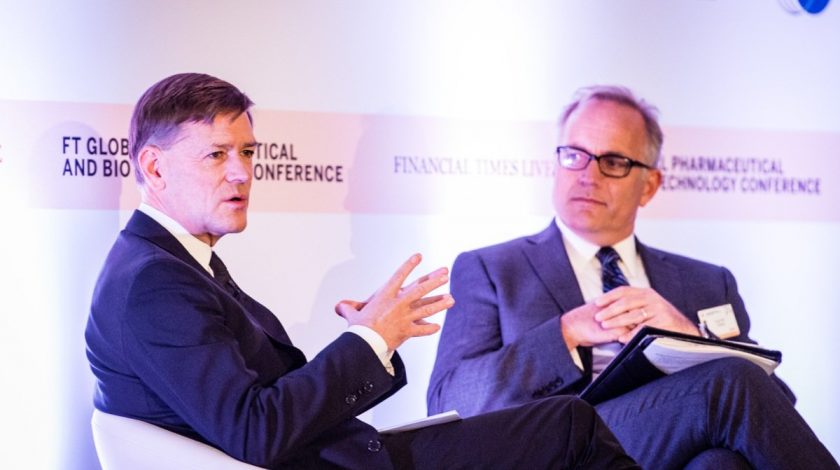
Ornskov told the FT Global Pharmaceutical and Biotechnology conference in London: “Of course as more products become available it creates the problem of affordability.”

In order to manage the costs borne by the healthcare system, Shire is one of several pharma companies that are prepared to base payment for rare disease drugs based on the drug’s performance.

“We are willing to follow patients for a long period of time and rethink what we should get as reimbursement based on outcome,” he told the conference in London.

In cancer, Novartis priced its one-time CAR-T cancer therapy at $475,000 – but pledged only to charge this in cases where patients responded.

Despite the higher headline price, the thinking is that Novartis’s CAR-T will therefore cost the US healthcare system less than a rival from Gilead, which costs $373,000 but does not have the same outcomes-based payment arrangements.

Ornskov’s comments reflect a growing acceptance in the industry for outcomes-based deals, with countries such as Italy and health insurers in the US agreeing deals with companies.

Yesterday saw NHS England’s chief executive Simon Stevens announce a new outcomes-based deal with Germany’s Merck on its multiple sclerosis drug Mavenclad.

Wearable Tech Emerging For Chronic Pain Relief

Quelll_leg-1-1200x800


The opioid crisis has revealed another real ongoing problem: a lot of people have chronic pain. For example, Lady Gaga recently revealed that she suffers from fibromyalgia, a chronic pain condition that the Centers for Disease Control and Prevention (CDC) says afflicts 4 million people (or 2% of the adult population). This number may actually be an underestimate because determining the real number of people that have fibromyalgia can be a pain. Fibromyalgia is frequently under-diagnosed or misdiagnosed. Many people, including doctors, are not fully aware of the condition. People may try to maintain a “Poker Face” when afflicted with the symptoms of fibromyalgia, such as pain and stiffness throughout your body, fatigue, depression, anxiety, difficulties sleeping, memory problems, and headaches. Or they may attribute the symptoms to something else. Also, until the FM/a Test was approved by the U.S. Federal Drug Administration (FDA) in 2012, no simple test for fibromyalgia was available.

Enter the wearable movement. While some wearables may seem unnecessary (e.g., the No More Woof headset supposedly translates dog barks into English so that you can know when your dog is saying “what an idiot”), wearable technology for pain relief is an intriguing emerging area. It may sound a bit like a late night infomercial or something from a mystical healer: wear this band around your leg to decrease the pain throughout your whole body. But there is real scientific reasoning behind devices such as NeuroMetrix’s Quell that received U.S. Food and Drug Administration approval for over-the-counter use in July 2014.

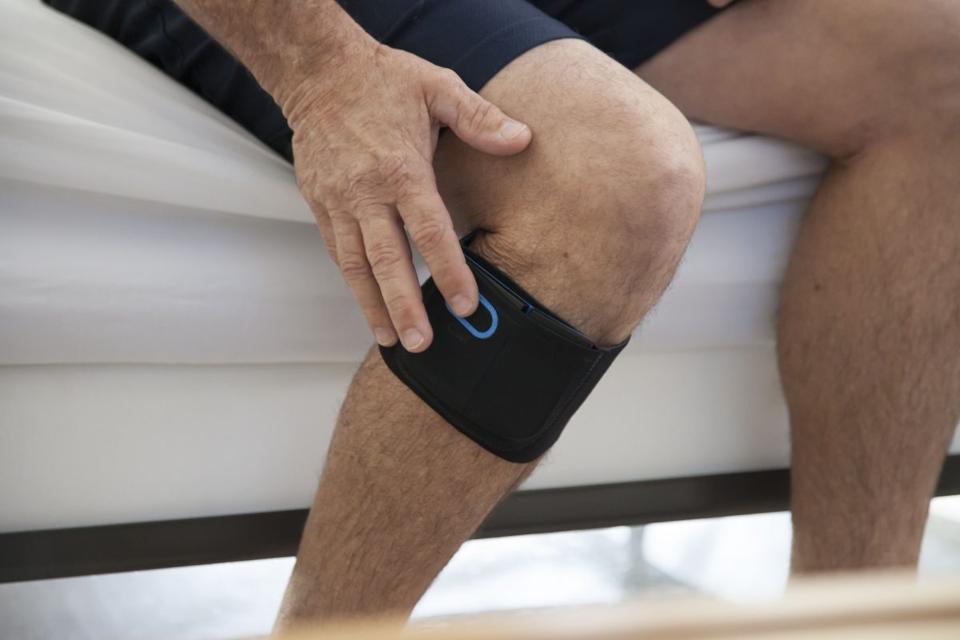
The Quell device is a band that looks like a bit like blood pressure cuff that you wear around your upper calf. The device does not utilize any medications but instead generates electric signals that stimulate your body to produce naturally occurring substances (endogenous opioids) that can then inhibit nerve signals that lead to feeling pain. In other words, the device helps activate your body’s natural system for regulating pain.

Shai N. Gozani, M.D., Ph.D., Founder and CEO of NeuroMetrix, Inc.explained that “fibromyalgia is believed to result from problems with the central nervous system. There is no injury per se in the peripheral nerves. The balance between positive and negative signals regulating the pain neurons may be off. The nerve signals that inhibit pain signals may be decreased. The Quell device can help boost this part of the system.”

Of course, you don’t just put on the band and presto your pain disappears. As Dr. Gozani related, you typically have to wear the device for a week or two before noticing the reduction in pain. Typically, people will wear the band for 6 to 8 hours a day. The device periodically cycles on and off and can also collect information on your activity and pain levels to help you adjust the device and manage your pain. The device offers the option of tapping into the Quell Health Cloud, which stores data on the usage, sleep, pain levels and activity for many different users and thus can provide analysis that can in turn help with pain management.

Neurometrix reported that Quell contributed $3.0M out of NeuroMetrix’s $4.3M in revenue in the second quarter of 2017 and that they shipped their 100,000th Quell device in July 2017.  Quell device shipments in the second quarter of this year were almost ten times what they were in the second quarter two years prior.

There are certainly many advantages of replacing medications with wearables. For example, addiction is less of an issue (e.g., wearing many bands all over your body probably won’t help). Finding and using ways to stimulate and modulate your body’s pain regulating mechanisms is certainly not a new approach to pain control. This is the basis of transcutaneous electrical nerve stimulation (TENS) and some physical therapy and alternative medicine approaches such as needling. But developing wearables so that you can go about your daily activities while receiving non-medication pain treatments is new and opens up a whole new avenue of potential ways to manage pain. Futhermore, having such devices interface with digital platforms could help better track pain management, combine treatments, generate data to provide scientific insights, and interface with other types of wearables. Who knows, someday maybe your dog can help you more with your pain management.

Visit Us On TwitterVisit Us On Google PlusVisit Us On LinkedinVisit Us On Facebook